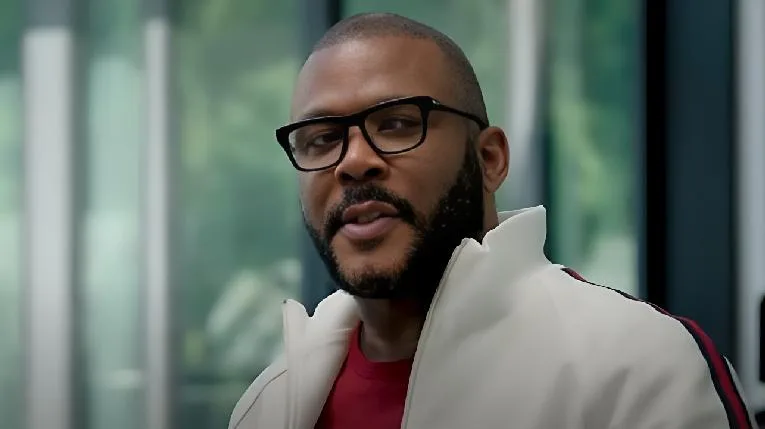
In a bold move to extricate itself from the ongoing sexual assault lawsuit linked to Tyler Perry, Lionsgate has turned its attention towards one of Perry’s accusers, Mario Rodriguez. Court documents obtained by TMZ reveal a pointed tone toward Rodriguez as part of Lionsgate’s strategy to sever ties with the case. This legal maneuver showcases the film distributor’s desire to distance itself from the allegations and the surrounding controversy, which has captivated public attention.
Rodriguez, who has publicly accused Perry of sexual misconduct, has now found himself at the center of a legal storm that goes beyond personal claims. Lionsgate’s court filing appears to question the credibility of Rodriguez’s accusations, suggesting an attempt to undermine his narrative in light of the severe implications for all parties involved. The film industry has seen its share of high-profile allegations in recent years, making this case particularly sensitive as it unfolds against a backdrop of heightened awareness around sexual misconduct.
As Lionsgate seeks to clear its name, it raises critical questions about the broader implications for those who come forward with allegations. The entertainment industry has often faced scrutiny for how it handles accusations of this nature, and Rodriguez’s situation adds another layer to an already complex narrative. While Lionsgate aims to remove itself from the lawsuit, the discussions around accountability, power dynamics, and the fight for justice continue to resonate deeply within the community.
This case serves as a poignant reminder of the challenges faced by survivors of sexual assault, especially within the entertainment sector. The legal battles that now ensue are not just about individual cases; they reflect the cultural shifts that demand change. As the public watches closely, the outcome will likely impact not only the parties involved but also set precedents for how similar cases are approached in the future. The intersection of power, fame, and accountability remains a critical conversation in today’s society, and this legal struggle is only adding fuel to that fire.
About The Author