By Tanya Brooks | PowerVault Network Staff
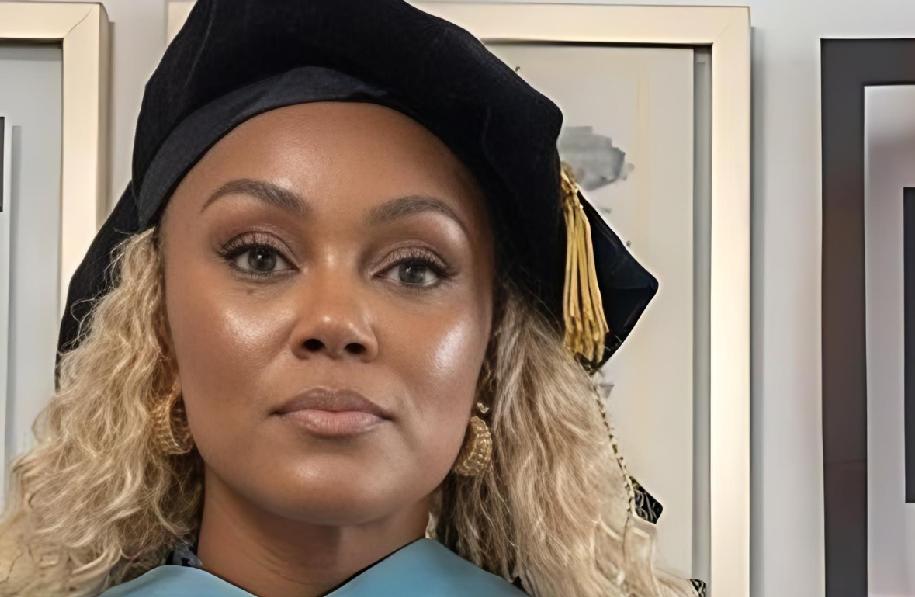
In a provocative new video, Dr. Cheyenne Bryant has reignited a fierce debate about academic legitimacy and representation within the Black community. Surrounded by her myriad degrees and certifications, she presents a striking image of professionalism and accomplishment in her doctoral regalia. While some praise her for showcasing the importance of education, others voice skepticism about the motivations behind her display. This juxtaposition of pride and critique reflects deeper issues about how qualifications are perceived and valued in our culture.
Dr. Bryant isn’t a stranger to controversy; her platform has been built on motivational speaking and mental health advocacy. Yet, her recent visual presentation has led many to question whether she is contributing to or complicating the narrative around education in the Black community. In a world where Black excellence is often overshadowed or misrepresented, there is an understandable desire for figures in our community to exemplify success. However, that success shouldn’t just be measured by degrees hanging on the wall. The question is: does her display empower or alienate?
As we dig deeper, we must understand that education is not one-size-fits-all. Degrees can symbolize perseverance and dedication, yet they can also perpetuate elitism within communities that have historically been marginalized. When Dr. Bryant places her academic accolades front and center, are we celebrating the journey or reinforcing the notion that formal education is the only pathway to legitimacy? Many of us know—and can argue—that wisdom is often born from lived experiences. It’s essential that we honor those narratives alongside traditional accomplishments.
This dynamic becomes even more complex when we consider the implications for everyday fans and community members who look to public figures for guidance and inspiration. For many young people, seeing someone like Dr. Bryant adorned in academic regalia can ignite aspirations for higher education. Alternatively, her emphasis on credentials may isolate those who thrive in less traditional environments, fostering a sense of inadequacy among those who are still forging their paths. We must ask ourselves: how can we celebrate academic achievement while also validating the diverse journeys that our community members undertake?
Looking ahead, it’s crucial for us to engage in a thoughtful dialogue about the value of education, representation, and the multifaceted nature of success. As we navigate this conversation, let’s champion the idea that academic achievements and personal growth can coexist. We should promote the idea that no single narrative defines Black excellence, and every story—whether it’s one of formal education or community resilience—deserves to be acknowledged and celebrated.
In the end, Dr. Cheyenne Bryant’s video serves as a mirror reflecting both pride and disparity within our culture. It challenges us to think critically about what success looks like for us, as a community. As we move forward, let’s uplift each other in all our forms, recognizing that the strength of our community lies in its diversity.
Source: https://eurweb.com/dr-cheyenne-bryant-credentials/
About The Author