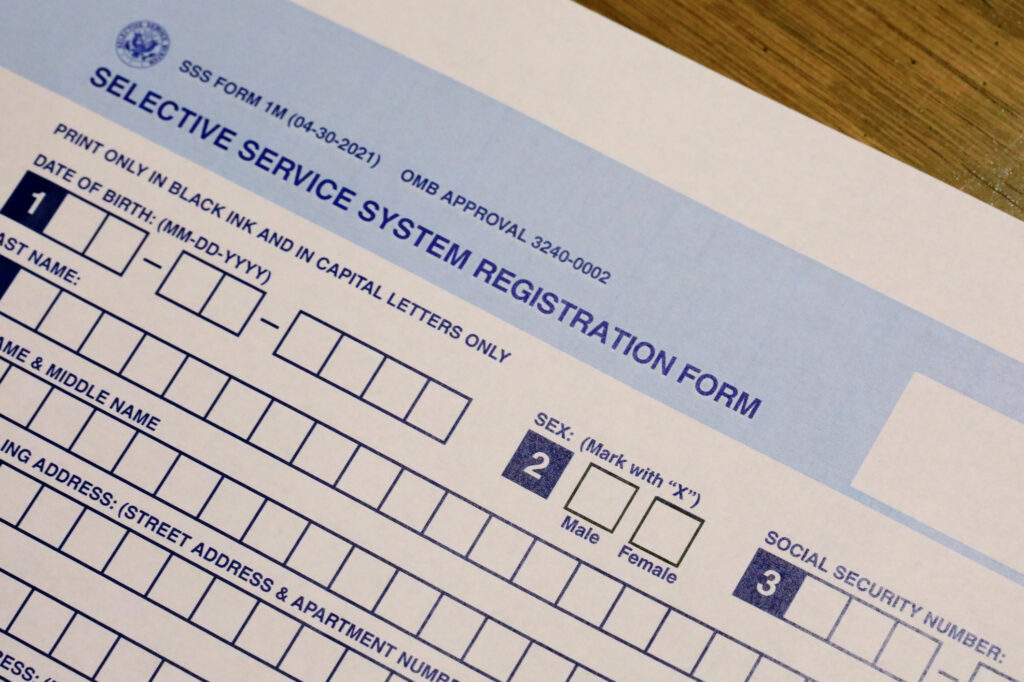
As the year unfolds, the U.S. government is setting the stage for a historic change in how young men are drafted into military service, with Automatic Draft Registration slated to kick in. This initiative, which affects males turning 18, is poised to streamline the process of enlistment and ensure that the military has a steady influx of potential recruits. Gone are the days of manual registration; the government aims to simplify the system, reflecting a modern approach to national defense challenges.
This automatic enrollment means that all young men will be signed up for the draft unless they explicitly opt out. One key aspect that often raises eyebrows is how this will impact communities of color, who historically have been disproportionately represented in the armed forces. For many, the draft symbolizes the intersection of patriotism and sacrifice, but it also brings to light the ongoing disparities and inequities faced by Black and brown individuals in America. It’s essential to understand not only the mechanics of this new system but also the broader implications it may have on diverse communities.
The decision comes at a time when discussions about military readiness and recruitment strategies are more pressing than ever. With changing societal norms and a shift in priorities among younger generations, the military faces challenges in attracting volunteers. This automatic system could serve as a response to those challenges, yet it invites scrutiny about the ethical implications of enlisting young men without their immediate consent. Given the complex dynamics at play, it’s crucial for the public, especially young men and their families, to engage critically with this topic as it unfolds.
As Automatic Draft Registration rolls out, communities are encouraged to stay informed and proactive. Understanding the nuances of this policy is not just a matter of personal interest; it’s about being prepared for potential future consequences that may affect livelihoods, families, and communities on a larger scale. As the nation navigates this pivotal shift, the voices of young men and their advocates will be essential in shaping a discourse that is fair, equitable, and reflective of the diverse fabric of America.
About The Author