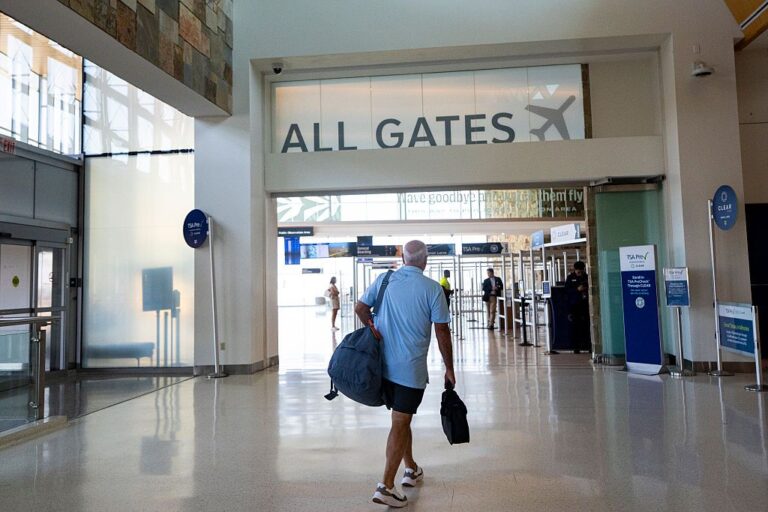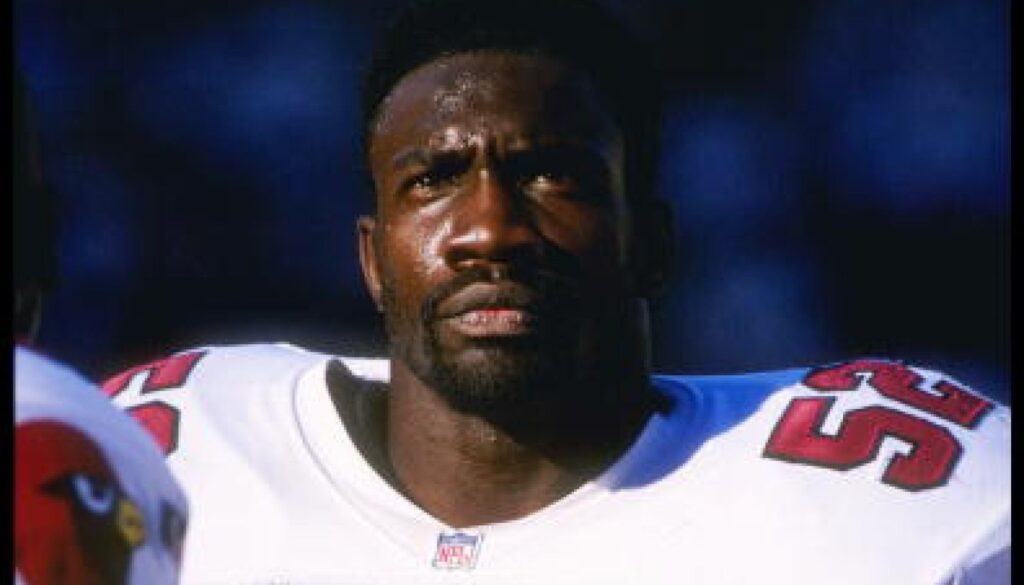
In a harrowing incident that has captured national attention, former NFL player Wesley Leasy is taking a stand against the Phoenix Police Department after a traumatic encounter at the airport. Leasy and his young daughter were wrongfully detained at gunpoint, an experience that not only shook them to their core but also raised poignant questions about the treatment of Black men and their families by law enforcement. This ordeal, which Leasy describes as violent and unjustified, has led him to file a lawsuit against the police, seeking justice and accountability for the actions that left lasting emotional scars on both him and his daughter.
The incident unfolded when the police mistook Leasy for a suspect involved in a separate case. Despite his compliance and efforts to explain the misunderstanding, the situation escalated to a point where officers drew their weapons, creating a scene that no parent should have to witness. Leasy’s experience is a painful reminder of the systemic issues that plague interactions between Black individuals and law enforcement, particularly in high-stress situations where assumptions are made based on race.
In his lawsuit, Leasy is not only seeking damages for the emotional distress caused by the encounter but is also calling for broader reforms within the police department. By shining a light on this incident, he hopes to spur conversations around the urgent need for police accountability and training, particularly in recognizing and de-escalating situations involving Black families.
As communities rally around Leasy’s plight, his story resonates with countless others who have faced similar situations, underscoring the importance of advocacy and reform. It’s a call to action for all of us to support those fighting against systemic injustices and to demand a fairer, more just policing system. Wesley Leasy is not just fighting for himself and his daughter; he’s standing for all Black families who deserve to feel safe when navigating public spaces. The outcome of this lawsuit could have implications that stretch far beyond an airport in Phoenix, potentially influencing how police departments across the nation approach their duties in our communities.
About The Author