By Marcus Ellison, PowerVault Staff
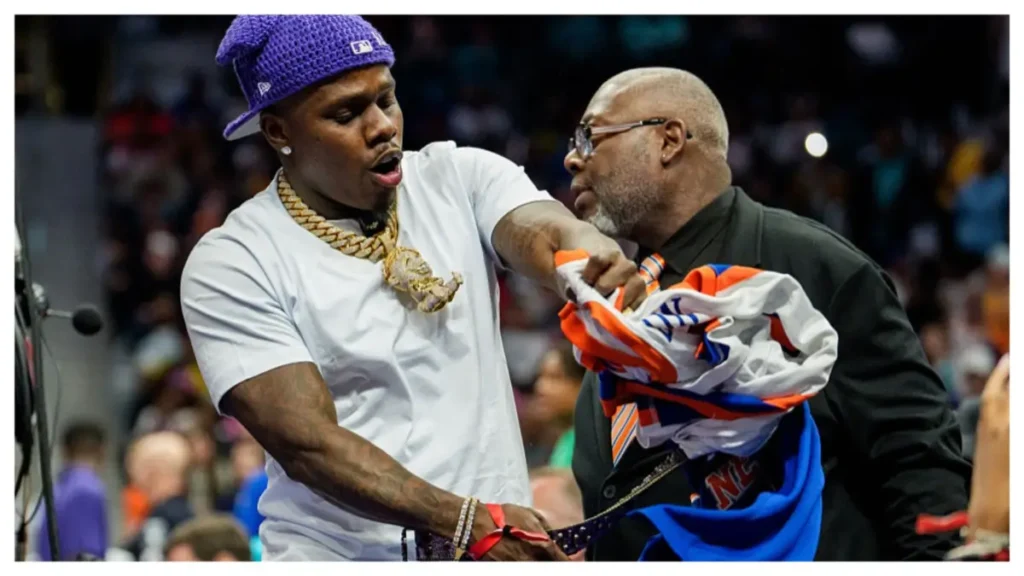
In a troubling new development, prominent figures like DaBaby and A Boogie have been designated as ‘high risk’ by Madison Square Garden, an alarming label that raises questions about bias and systemic racism in the entertainment industry. This classification comes at a time when Black artists have been the lifeblood of cultural movements and entertainment, particularly in spaces like the NBA, where they both captivate audiences and raise the stakes of the game. Yet, here we are, witnessing a blatant attempt to marginalize their impact and contributions under a cloud of preconceived notions about violence and behavior.
To understand the implications of this move, we must dive deeper into the history of Black entertainers and the scrutiny they often face. The relationship between sports and hip-hop has always been intimate, with artists regularly appearing at games and performing at halftime shows. However, this relationship has also been fraught with challenges—often, the talent is celebrated, while the artists themselves are stigmatized. The ‘high risk’ label, which implies a potential for violence or disruption, feeds into stereotypes that have long plagued Black men in America. It suggests that simply being a successful rapper, particularly one with a history of public incidents, can lead to harsh assumptions about one’s character and intentions.
What this signifies for our culture is more than just a mere label; it reflects a broader narrative of how Black success is often viewed through a lens of suspicion and fear. The success of DaBaby and A Boogie should be a cause for celebration, not a reason to assume they will incite chaos. This dichotomy highlights the uncomfortable truth: Black artists are often placed under a microscope that other entertainers rarely face. The result? A chilling effect on creativity and expression, as artists may hesitate to engage with spaces that should welcome them with open arms.
Looking back, we can see echoes of this moment in the treatment of artists like Lil Wayne during his legal troubles or even the backlash against artists who openly express their political views. The pattern is clear: when Black artists step outside of the box society has placed them in, they face disproportionate repercussions. These moments serve to reinforce barriers that keep Black voices from being fully embraced in arenas where they ought to be celebrated.
As we move forward, it’s crucial for us to keep our eyes on how these designations may impact the careers of these artists and others who follow in their footsteps. The larger conversation about representation and treatment of Black entertainers in non-Black spaces is just beginning to unfold, and it’s up to us as a community to challenge the narratives that allow for such bias. Will we see a pushback from the industry, or will this just be another moment that fades into silence? The stakes are high, and as always, it’s about more than just music—it’s about dignity, respect, and the right to be seen as equals on the grand stage.
About The Author