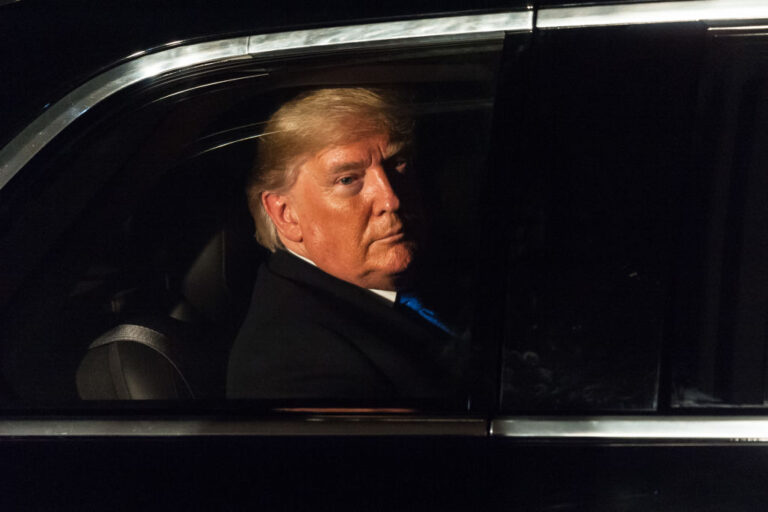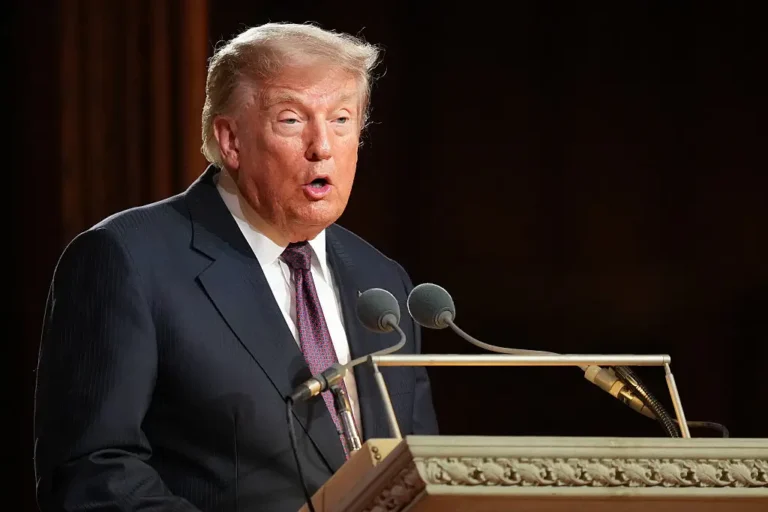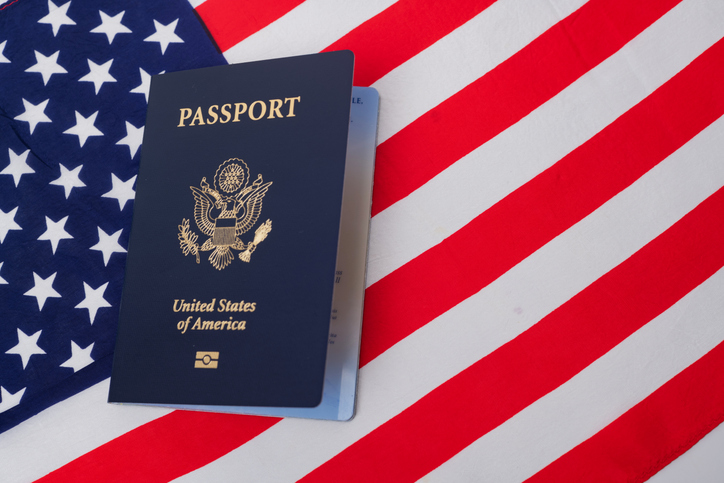
As we inch closer to America’s 250th birthday, anticipation builds for the celebrations that will mark this monumental anniversary. Yet, amidst the excitement, some are scratching their heads as reports surface that the U.S. plans to issue commemorative passports featuring none other than Donald Trump’s photo. This move has not only sparked controversy but has also ignited a broader discussion about the role of personal branding in politics and who really benefits from such actions.
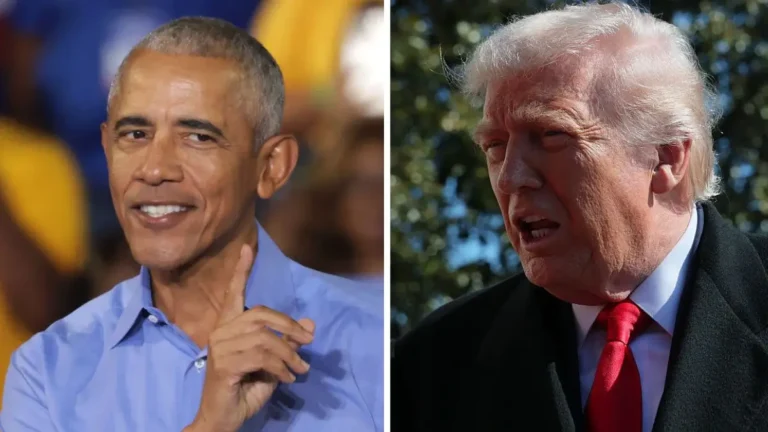
Let’s be clear: this is not a democratic tradition; it’s a spectacle that embodies a stark departure from the profiles of past presidents. Imagine Barack Obama or Bill Clinton suggesting that the nation’s 250-year milestone be represented by their likeness. It’s hard to visualize either of them making such a self-serving call; they understood that the significance of this moment should transcend individual egos. Instead, they emphasized unity, progress, and the collective narrative of a diverse nation that has faced its challenges with resilience.
The decision to include Trump’s image on a passport—an emblem of national identity—seems less about honoring America’s legacy and more about perpetuating the cult of personality that has come to define his brand. Critics argue that this is a blatant attempt to intertwine his legacy with that of the nation, a move many see as an inappropriate conflation of personal triumph and national pride. It begs the question: is there a limit to how much one individual can influence the collective story of a country?
Moreover, this raises the broader, unsettling issue of who is calling the shots behind the scenes. Is there a faction within the government or among Trump’s supporters that believes a commemorative passport will bolster his image and legacy? The optics of this decision leave many wondering about the motivations driving such an unprecedented move. This doesn’t just affect the past or present; it shapes how future generations will perceive American history.
As we approach this historic anniversary, let’s hope the focus remains on the people and events that have truly shaped our nation rather than on individual legacies. America is a tapestry woven from countless stories, struggles, and victories. Celebrating its 250th birthday should be an opportunity to acknowledge that complexity, not to elevate one persona over the larger narrative. So who keeps asking for this? The answer may reflect our current political landscape more than any of us would like to admit.
About The Author