By Simone Walker, PowerVault Staff
The story always sounds the same. Quiet college town. Good neighborhood. Honor roll kids. A “tight-knit community” that is suddenly “shocked” by the news. Then the mugshots drop and it is a whole lot of white faces, Greek letters, and LinkedIn-ready smiles staring back. Now everybody is confused how this could happen, like America has not been running this exact script since before crack hit the hood.
This week, that script pulled up in State College, Pennsylvania, home of Penn State University, where 13 people tied to the school were hit with felony and misdemeanor charges tied to an alleged cocaine trafficking operation. Prosecutors say they were moving weight, not just passing a little baggie around at a frat party. We are talking an actual operation centered in and around a flagship PWI that brands itself as a pipeline to the American dream.
On paper, the story is simple. Authorities say there was a network supplying coke to students and locals, money changing hands, drugs moving through apartments and houses, and a crew that allegedly got way too comfortable thinking nobody would ever look their way. But the real story, the one Black folks clock immediately, is not just about drugs. It is about what happens when white people’s crime runs headfirst into the same system that threw an entire generation of Black kids into cages for dime bags and nickels.
For decades, hip-hop has been forced to live with the fallout of the so-called war on drugs. Rappers came of age in neighborhoods where a couple rocks in your pocket could mean a bid that ripped your whole family apart. Songs from Jay-Z, Jeezy, Pusha T, even back to N.W.A. and Scarface, were not glorifying the system. They were survival reports from communities under siege. Those same communities watched suburban and college-town drug use get framed as a “health issue” while Black addicts were treated like monsters and Black dealers like terrorists.
So when a major cocaine ring gets alleged at a place like Penn State, the first question is not “how did this happen.” The first question is “how are they going to talk about it.” Is this going to be framed as a tragic mistake made by “promising young people” who need rehab and a second chance. Or will any of these students be painted as “super predators” and future career criminals the way Black teens were in the 90s for doing a fraction of what is being alleged here.
Look at how these stories are covered when the faces in the mugshots are Black. Local news rolls out every unflattering photo they can find. They dig up juvenile records. They interview the one neighbor who says, “We always knew something was off.” When the faces are white and the zip code is comfortable, suddenly it becomes a “complex situation” that “raises questions about pressure on young people.” The whole tone shifts. The sympathy magically appears.
The system plays this game everywhere. The same energy that lets a college cocaine ring be treated like an anomaly is the energy that made mainstream media hesitate to call out racist cops in Mississippi until the leaked texts were undeniable. That is how you end up needing a whole piece like Mississippi Police Chief Racist Texts: What Happened And Why Black Folks Are Tired Of This just to explain why Black people are not impressed by “shocked” statements from white institutions anymore.
Penn State is not special. Every big college campus has drugs. People are drinking, popping pills, sniffing lines off bathroom counters, and doing it with the confidence that comes from knowing their last name, skin tone, and tuition bill will probably protect them. What makes this situation worth talking about is the scale and the pattern. When 13 people with ties to a major university are hit with charges like this, it rips a hole in the myth that serious drug crime only lives in the hood.
There is also the money side. We have watched Black artists get grilled in court for lyrics about selling dope, while white institutions quietly profit from student bodies that are absolutely fueling demand for the same drugs the state claims to be fighting. Colleges make billions from tuition, sports, and branding while pretending their campuses are innocent, drug free bubbles. Then when something like this Penn State case breaks, it is treated like a one-off scandal, not a symptom of a whole ecosystem built on privilege and denial.
Fans of the culture already know how this goes because hip-hop has been the unofficial documentation of the drug economy for 40 years. Nas painted the picture of project hallways where fiends nodded off. Future gave us the highs and lows of self-medicating with everything in the cup. Artists like Jeezy talked openly about the trap as both a job and a death sentence. Those stories became the excuse for prosecutors and politicians to say the music was the problem, not the policy. Meanwhile, nobody was blasting rock bands or EDM DJs whose fans were running through molly and coke at festivals like it was candy.
What is wild is how often white crime gets wrapped in respectability and handed a soft landing. A white college dealer with a clean record becomes a “student entrepreneur who made some bad choices.” A Black 19-year-old caught with the same drugs gets turned into a cautionary tale about “urban crime.” By the time the trial hits, the white kid has a suit, a family statement, and a future for the judge to consider. The Black kid has a public defender juggling 100 cases.
Stories like this Penn State bust also expose how selective law and order really is. If this operation had been centered in a Black neighborhood, you already know what the narrative would be. Tough-on-crime press conferences. Calls for mandatory minimums. Think pieces about “fatherless homes” and “gang culture.” But when it is white students at a big PWI, you get careful language and a whole lot of “alleged.” White kids become individuals who made mistakes. Black kids become statistics.
That split reality is the same reason why so many of us side-eye official narratives in cases involving Black harm, whether it is a so-called suicide that does not add up like the Black Charlotte teen found hanging at a church, or the way courts move when victims are Black and suspects are not. The system is not neutral ground. It has favorites and it has targets.
There is also a culture conversation here. Hip-hop has been blamed for drug culture since the Reagan era. But the real engine for this stuff has always included white demand, white money, and white spaces. From Studio 54 in the 70s to Wall Street in the 80s to frat basements in 2024, coke stays close to whiteness and status. The difference is who gets punished and who gets rehab. Who gets a documentary about their redemption arc and who gets a number and a bunk.
Whenever white college crime pops up on the timeline, some people rush to say, “See, it is not about race, everybody does it.” That is the trap. The issue was never about who uses or who sells. The issue is who pays the full price. Black neighborhoods got SWAT teams, three-strikes laws, and decades of over policing. White campuses get task forces, counseling, and carefully worded press releases.
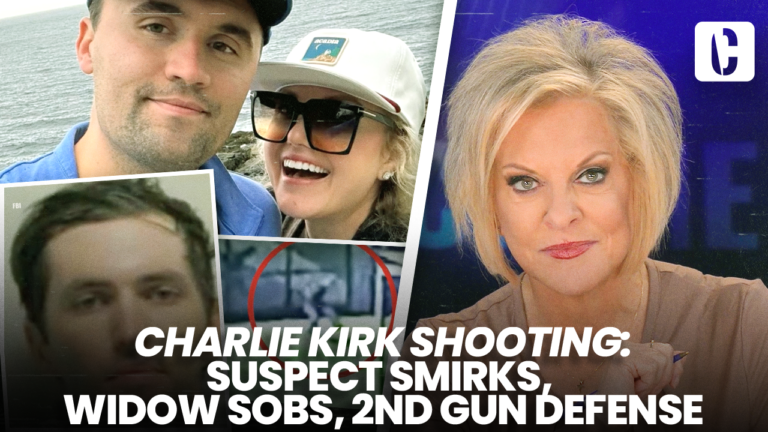
This Penn State case sits in the same America where a white conservative figure can be at the center of a shooting story and the coverage is full of careful framing and quiet deflection. You can see it in how something like the Charlie Kirk shooting court drama gets wrapped in culture war talking points instead of an honest look at who gets to be seen as dangerous. It is all connected. Race, crime, media, and who gets the benefit of the doubt.
For Black students on campuses like Penn State, none of this is new. They watch the same white classmates who call the cops on their parties snort lines in greek houses with zero fear of a raid. They know that if their name ever hits a police report, the school will protect its image before it protects their future. That is why Black campus culture builds its own safe spaces, its own parties, its own codes. Survival on white campuses has always required seeing beyond the brochure.
There is a reason hip-hop keeps coming back to these double standards. Whether it is artists fighting for fair treatment in courts, or legends like MC Lyte pushing for equity in how the business side treats Black talent, the fight is about more than music. The piece on MC Lyte’s Music Fairness Award shows the same pattern in a different lane. Black creators have to demand the fairness that white institutions get by default.
Where this Penn State situation goes next will say a lot. Watch who gets plea deals and who gets made an example of. Watch how fast the university distances itself and who they quietly support behind closed doors. Pay attention to how the judge talks about “potential” and “future contributions.” Then compare it to the language used every time a Black defendant stands in that same position with none of those safety nets.
If there is anything to take from this for the culture, it is a reminder that white people’s business is rarely just their business. Their drugs, their guns, their politics, their courts, all of it ripples out and lands in Black lives one way or another. Hip-hop has always been honest about the cost of that. The question now is whether stories like this Penn State bust finally force more people to admit what the music has been saying for years. The war on drugs was never about stopping drugs. It was about deciding whose life was disposable.
So as this case unfolds, keep an eye on the headlines, but read between the lines. The outcome will not just tell us what happens to 13 people tied to a cocaine ring. It will be another receipt on how America still decides who gets grace, who gets a second chance, and who gets thrown away. And if the past is any sign, the culture will be right here documenting it, flipping it into art, and refusing to let anyone pretend they did not see what was really going on.
About The Author