By Jasmine Reed, PowerVault Staff
The scariest stories never start with horror movie music. They start on regular days. Kids running errands with family. A quick trip outside. Group chat on mute, life feeling normal. Then something happens that reminds every Black parent in America that safety is not a default setting for our kids, it is a full time job.
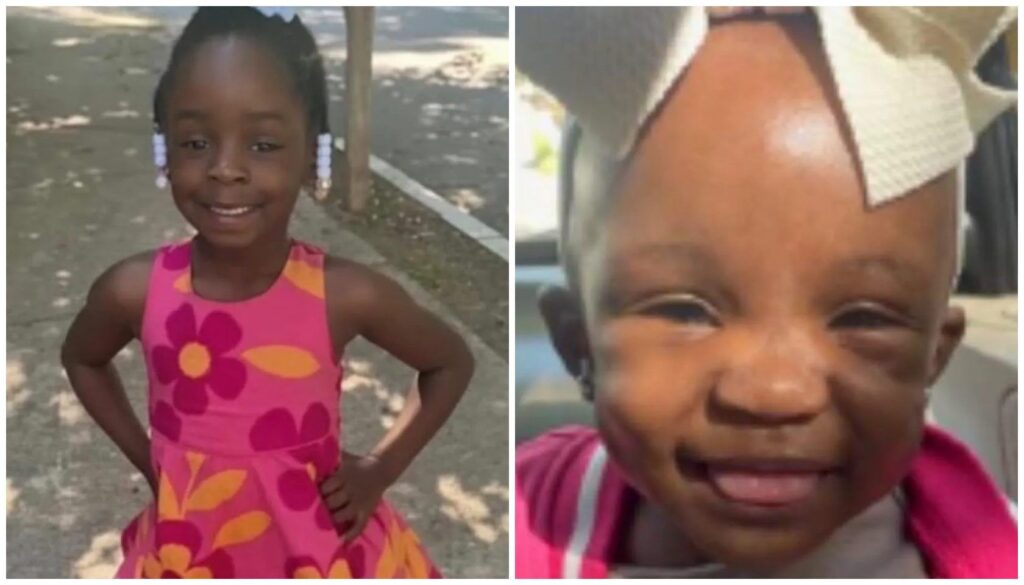
That is where this Atlanta story lands. Two sisters, 15 and 16, allegedly kidnapped in broad daylight by a woman police say has a history that should have had every system on high alert. Her name is Lakesha Brown, 42, and according to reports, she has already been tied to a previous kidnapping involving an infant and accused in another situation of faking a pregnancy. Yet she was outside, free, and close enough to snatch two Black girls off the street.
People love to talk about “stranger danger” like it is some abstract thing. For Black families in cities like Atlanta, it is not theoretical, it is a constant calculation. How far can your daughter walk alone. Who is picking her up. Why did the location on her phone go dark. Stories like this turn casual check ins into full on surveillance, because it only takes one person like Brown to blow up a whole family’s sense of peace.
The details around Brown read like a pattern, not a one off bad decision. Prior kidnapping case involving an infant. Another allegation that she faked being pregnant. That is not random chaos. That is a woman who has allegedly built a whole identity around babies, motherhood, and proximity to children that are not hers. When someone keeps orbiting around the same type of victim, that is not confusion. That is a profile.
There is a reason this is hitting a nerve in Atlanta and across Black social feeds. The city stays in the headlines for music, film, and culture, but kids in Atlanta are also living in a constant storm of missing person flyers, Amber Alerts, and IG stories with “please share” stamped over a young Black face. We have seen families begging for answers, like the parents in Charlotte still pushing back on the official story about their daughter found hanging at a church, a case we covered in depth here: Black Charlotte Teen Found Hanging At Church: Why Her Family Still Doesn’t Trust The Official Story. Trust in the system is already cracked. Then you hear that a woman with a prior kidnapping tie was allegedly able to pull this off, and that crack turns into a full break.
What makes the Brown situation even more chilling is the alleged fake pregnancy. People lie every day, but faking a pregnancy is something different. That is not just about attention. That is about stepping into sacred territory. Black culture has always treated childbirth and mothering like ceremony, even when the medical system treats Black moms like they are disposable. So when someone weaponizes that, pretends to be pregnant, inserts themselves into baby showers, hospitals, or family circles, it is not just lying, it is hijacking one of the most vulnerable moments in a family’s life.
There is a long ugly history of people doing wild things to get close to babies. Lifetime movies are built on that. But when it touches our community, it hits like a flashback of every time Black kids were treated like property instead of people. From slavery auctions to foster systems that lose track of children, to police treating missing Black girls as “runaways” instead of endangered, there is a straight line of disrespect for our children’s safety. A case like this feels less like a random crime and more like the latest chapter in a book this country refuses to finish.
Atlanta specifically is carrying a lot of that history. Older heads still remember the Atlanta Child Murders, when at least 28 Black children and young adults were killed between 1979 and 1981. Whole neighborhoods operated like self run security teams because the police were moving slow and talking in circles. Parents walked kids to the bus stop, followed behind them in cars, counted heads at every stop. That collective trauma does not just fade because a case is “closed.” It sits in the DNA of the city. So when another story breaks about Black kids being snatched, those old survival instincts wake right back up.
The question that keeps hanging over this case is simple and infuriating. How does someone with Brown’s reported history keep getting this close to kids. If she was already connected to an infant kidnapping case, why was every charge not handled like a red siren. If she allegedly faked a pregnancy in a separate situation, who missed that pattern. Everybody loves to throw around “background checks” online, but background checks are only as strong as the systems feeding them and the people who actually read them.
Black parents know this already, which is why we end up building our own informal safety nets. Group chats that move faster than news alerts. Aunties with receipts on everybody. Barbers and beauticians who know which adult gives them a weird feeling around kids. It is the same community radar that has folks clocking weird behavior in other corners of power too, like the way people keep side eyeing Trump’s health and public behavior after clips of him moving strange keep going viral. If you missed that ongoing conversation, we broke down the body language critique in this piece: Why Was Trump Walking So Weird Off Air Force One And What Are People Really Seeing Now?.
Stories like the Brown case also expose how differently the media treats Black missing children compared to white ones. A white teen goes missing in a suburb and it turns into a week long national special. Black girls vanish in a major city and it is a local segment if that, with a mugshot of whoever gets blamed. That imbalance is why platforms rooted in the culture feel the pressure to cover not just the crime, but the full context around it. The girls are not clickbait. They are daughters, big sisters, cousins, teammates, choir members, TikTok creators. Whole worlds orbit them.
Hip hop has been screaming about this disconnect for decades. Think about how many songs are low key about survival, about trying to get kids out the hood, about not wanting your daughter to grow up around the same danger you did. From Pac rapping about Brenda and that baby, to modern artists who put their kids on album covers to say “this is who I am protecting,” the message stays clear. The system is not built for our safety, so protection becomes DIY.
What is wild is how often the language of “protect Black women and girls” gets treated like a slogan instead of a policy demand. Protecting them means more than posting infographics. It means asking hard questions like, why are alleged repeat offenders still circling the same type of victims. Why do families have to become investigators just to get their kids taken seriously. We saw that in the Charlotte hanging case, where the family refused to let the story be swept away as a neat narrative. Again, that full breakdown is here for anybody who wants context: Black Charlotte Teen Found Hanging At Church: Why Her Family Still Doesn’t Trust The Official Story.
There is also a conversation here about mental health, obsession, and how the justice system handles people who fixate on pregnancy and babies. Faking a pregnancy is often linked to deeper psychological issues, and when that escalates to kidnapping or attempted kidnapping, you are not just talking about crime, you are talking about a person who should never be anywhere near unsupervised children again. In a functional system, that kind of pattern triggers real intervention, not just paperwork and court dates that quietly disappear until the next headline.
For Black girls specifically, the threat landscape is already too crowded. Sexual exploitation, trafficking, abusive relationships, school to prison pipeline, social media predators, colorism fueled self esteem wars. Add in the idea that an adult woman might be stalking them with the intent to steal or control them, and you start to understand why Gen Z Black girls are both hyper aware and exhausted. They grow up on true crime TikToks, yes, but they also grow up in neighborhoods where the “missing” posters are not cinematic, they are taped to the corner store door.
There is a reason why so much Black TV and film lately is leaning into thrillers, horror and psychological drama. Creators are finally saying out loud that our real life stories already live in that genre. You see it in shows and films highlighted in our guide to what to stream, like the Black led thrillers and socially charged dramas on Netflix that tap into this same fear and resilience energy: What’s New And Black On Netflix In September 2024? Real life keeps writing scripts more twisted than anything on screen.
For now, the focus has to stay on the safety and healing of the two Atlanta sisters and their family, and on a real investigation into how Brown was able to allegedly repeat a pattern that should have been flagged long ago. But looking forward, the community cannot just move on to the next story. This is a moment to demand better tracking of repeat offenders who target kids, better coordination between agencies when pregnancy related fraud and kidnapping overlap, and better coverage of Black missing children before it gets this far.
Atlanta is going to keep being a capital for the culture, for music, film, and Black brilliance. That shine means nothing if Black girls cannot walk their own streets without worrying about predators who were already on someone’s radar. Watch how this case is prosecuted. Watch what details quietly get buried and which ones community leaders and local media refuse to let go. Because every time we say “never again” and then let the system slide, someone like Lakesha Brown finds space to try it again.
The long term story here is not just about one woman with a disturbing past. It is about whether Black children’s safety becomes a non negotiable priority or stays an afterthought. The culture has already made its choice. The question is whether the courts, the cops, and the so called child protection systems are finally ready to catch up.
About The Author