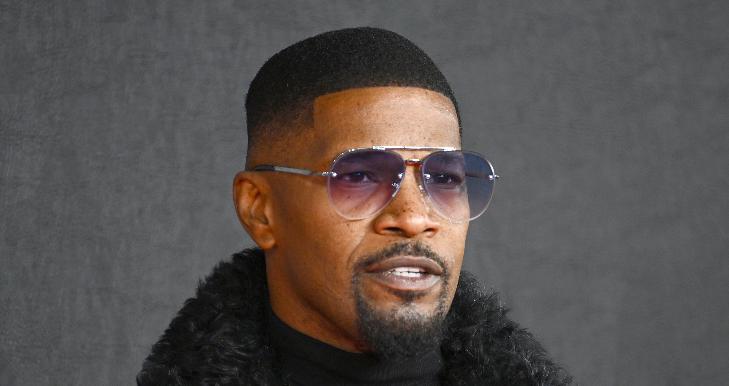
By DeShawn Price, PowerVault Staff
When Django Unchained hit theaters back in the winter of 2012, it set off a cultural earthquake that resonated across cinema, hip hop, and Black commentary. Quentin Tarantino delivered a brutal, stylized revenge story wrapped in the aesthetic of a classic spaghetti western, centered on a liberated enslaved man riding across the antebellum South to rescue his wife. Audiences packed theaters to watch Jamie Foxx strap on green jackets and tinted shades, delivering retribution with cold precision. Yet behind the blood splattered gunfights and memorable quotes was an environment where heavy historical trauma was being handled by a famous director known for pushing cinematic boundaries to the absolute limit. For years, rumors circulated about how intense the production was, but fresh details from Jamie Foxx himself reveal just how close the movie came to crossing a line that fans never would have accepted.
Speaking during a candid sit down on the Baby, This Is Keke Palmer podcast, Jamie Foxx detailed a tense behind the scenes negotiation with director Quentin Tarantino over an original script sequence that would have fundamentally altered how viewers experienced the film. Foxx explained that an early version of the screenplay included an explicit sexual assault scene involving Broomhilda von Shaft, played by Kerry Washington. Upon reading those pages, Foxx immediately recognized the immense emotional and mental burden that such a scene would place on Washington, as well as the dark turn it would force upon the entire audience. Rather than quietly walking onto the set and allowing the cameras to roll, Foxx chose to step in directly, confronting Tarantino to challenge the necessity of putting a Black woman through that level of visual violation on screen.
The conversation required Foxx to navigate a delicate balance between respecting a director’s vision and standing tall as a protector for his co star. Foxx explained to Tarantino that the motivation for Django’s journey was already crystal clear to everyone watching. The hero was willing to tear down an entire plantation system to reunite with the love of his life, meaning the story did not require graphic exploitation to make the stakes feel high. Foxx made it clear that putting Kerry Washington through the filming of an assault scene was an unnecessary imposition that offered no artistic benefit to the overall film. His intervention successfully convinced Tarantino to cut the sequence entirely, saving Washington from executing a deeply traumatic performance and protecting the audience from a gratuitous moment that could have ruined the triumph of the film’s climax.
That decision says everything about the critical role Black actors play when navigating projects dealing with Black history. For decades, mainstream Hollywood has operated with a strange fascination for Black pain, often operating under the mistaken belief that suffering must be rendered in the most explicit visual terms possible to feel real or impactful. White directors frequently lean into extreme shock value, believing that graphic brutality equals historical authenticity. But true cultural sensitivity requires knowing where representation ends and exploitation begins. Without someone like Jamie Foxx standing in the room to voice that distinction, audiences would have been subjected to another painful visual memory buried inside what was supposed to be a triumphant tale of Black liberation and payback.
This dynamic is hardly new in the entertainment industry, where Black talent has long had to serve as the unsung script doctor and cultural protector on set. When Black actors step into major Hollywood projects, they carry an unwritten responsibility that goes far beyond memorizing lines and hitting marks. They are forced to evaluate how their characters will be perceived by millions of Black viewers who care deeply about dignity and legacy. We see this constant navigation across all corners of film and television, whether fans are analyzing fresh announcements about who is playing Warren G in the Snoop Dogg movie or watching veterans fight for authenticity in period pieces. The weight of getting the story right without sacrificing the dignity of the people involved is a constant tightrope walk.
The deep bond between Jamie Foxx and Kerry Washington played a major factor in how this situation unfolded. Having previously starred together as Ray Charles and Della Bea Robinson in the acclaimed 2004 biopic Ray, the pair shared a profound mutual trust built over years of working at the highest level of film. When Washington arrived on the set of Django Unchained, she was entering a tough shooting schedule filled with grueling physical and emotional demands. Foxx recognized that as the lead actor and top billed star, he held the leverage necessary to speak up in ways that other cast members might not have felt comfortable doing. He used his position to shield his screen partner, proving that solidarity on set is often the only defense Black actors have against tone deaf storytelling.
That protective mindset connects directly to the broader history of Black self determination across media culture. Long before Black actors were gaining leverage on big budget film sets, community leaders and visionaries recognized that controlling how Black stories were told was essential for collective survival. Looking back at how Cathy Hughes built Urban One and revolutionized Black media, the underlying mission was always about creating spaces where Black narrative integrity could not be compromised by outside forces. Foxx acting as a barrier on a Quentin Tarantino set is an extension of that same tradition. It demonstrates that even when working inside major studio machinery, Black creatives can use their clout to enforce standards of respect and protection.
Stepping into roles that carry immense cultural weight always comes at a psychological cost, something modern performers understand all too well. Today’s young stars and musicians who make the transition into acting face similar pressures when trying to honor legendary legacies without letting the industry consume them. Whether observing how Skilla Baby channeled Tupac on The Price of Fame and landed a role in 50 Cent Power Origins or watching seasoned stars push back against scripts, the struggle to balance commercial demands with personal integrity remains constant. Foxx understood that accepting a role in a high profile movie should never mean sacrificing the emotional well being of his colleagues or handing over total artistic control to a director whose lived experience is entirely different.
Looking ahead, this revelation from Jamie Foxx serves as a powerful reminder of why executive power and creative authority must continue shifting toward Black creators. As more Black actors transition into producing, directing, and running their own production banners, the need for emergency interventions on set will hopefully become a thing of the past. The future of Black cinema depends on creating sets where safety, respect, and artistic integrity are baked into the production process from day one rather than fought for in backroom meetings. Foxx’s courage to speak up over a decade ago proved that protecting your people is always worth more than compromising for a director’s vision, setting a standard that the next generation of Black Hollywood will undoubtedly continue to follow.
About The Author