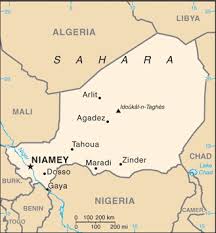
Nestled in the heart of Niger, Agadez stands as a testament to rich history and cultural significance. This vibrant city, recognized as a UNESCO World Heritage Site, has long been a stronghold of the Tuareg people—an indigenous group known for their intricate traditions and resilience. Agadez is often referred to as the “gateway to the Sahara,” and its strategic location has made it a pivotal site for trade routes stretching across the vast desert. The city brims with life, its streets echoing with the stories of merchants and nomads who have traversed this arid landscape for centuries.
One of the most striking features of Agadez is its stunning mud-brick architecture, which reflects the region’s unique environmental adaptations and cultural aesthetics. The Grand Mosque, with its towering minaret, is a defining symbol of the city’s skyline and an architectural marvel that showcases the ingenuity of local craftspeople. Walking through the narrow alleys lined with these historic structures, one can feel the pulse of a city that has been a meeting point for diverse cultures, ideas, and traditions.
Agadez’s historical role in the trans-Saharan trade cannot be overstated. This city served as a crossroads where goods, people, and cultures converged, facilitating exchanges that shaped the identities of communities across North Africa and beyond. The bustling markets, still alive with the same energy today, offer a glimpse into the past where camels laden with spices, textiles, and gold traversed the desert, connecting distant lands.
Yet, Agadez is more than just a historical site; it embodies a living culture that thrives amidst modern challenges. As global attention shifts towards the preservation of such sites, Agadez remains a beacon of hope and resilience for its people. The name “Agadez” resonates with history, culture, and a spirit of endurance, reminding us of the interconnectedness of our shared human journey through time and space. In exploring Agadez, we uncover layers of Black history that contribute richly to our understanding of the diverse tapestry that is our world today.
About The Author