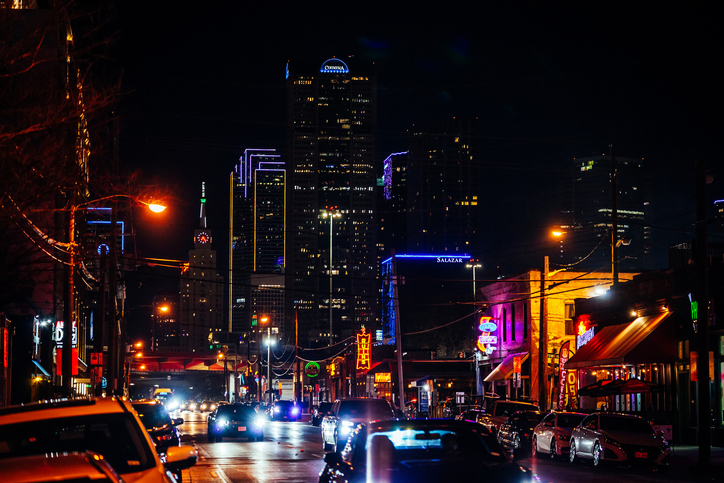
Deep Ellum, once a vibrant neighborhood in Dallas, Texas, stands as a testament to the rich legacy of Black culture and community. Known for its thriving music scene and artistic expressions, this area became a sanctuary for African Americans during a time when segregation and systemic racism permeated all aspects of life. The sounds of blues and jazz that reverberated through its streets were not merely forms of entertainment; they were the lifeblood of a community fighting for its place in a world that often tried to erase it. From the iconic Cotton Bowl to venues that showcased the likes of B.B. King and Erykah Badu, Deep Ellum was a hub of creativity and culture, where Black voices found both refuge and resonance.
However, starting in the mid-20th century, the tides began to change as urban planning policies took a stark turn. The city’s expansionist vision combined with racially biased zoning laws led to the systematic dismantling of this cultural stronghold. The construction of highways and new commercial developments often disregarded the historical significance of Deep Ellum, prioritizing profit over people. Residents were displaced, businesses were shuttered, and a once-thriving community was subjected to the bulldozer of progress that disregarded its rich history. These decisions were not just about urban renewal; they were about erasing Black presence from the narrative of Dallas altogether, a trend seen in cities across America where similar stories unfolded.
As gentrification crept in, many of the historic venues and landmarks that defined Deep Ellum were transformed or erased entirely. New developments catered to a different demographic, often alienating the original residents and their descendants. This dynamic not only stripped away the physical reminders of the community’s vibrant past but also led to a loss of cultural identity, as newcomers often lacked an understanding or appreciation for the neighborhood’s historical significance. The echoes of the music, the laughter, and the warmth of its residents faded into a distant memory, overshadowed by the concrete and glass of modern development. The narrative of Deep Ellum serves as a stark reminder of how urban planning can perpetuate cycles of disenfranchisement and cultural erasure.
Yet, in the face of such erasure, there remain sparks of resilience. Efforts to reclaim Deep Ellum’s legacy are emerging, as activists and artists seek to revive its cultural heartbeat. By highlighting the stories of its original residents and the undeniable impact of Black culture on the city, there is hope for a reclamation of identity and space. As we reflect on the history of Deep Ellum, it becomes crucial to acknowledge not just what was lost, but what can still be saved. The lessons learned from this neighborhood echo throughout the entire country as we continue to grapple with the consequences of urban planning that prioritizes profit over community. Deep Ellum is not just a story of loss; it is a call to action to recognize and celebrate the rich tapestry of Black culture that deserves to be woven into the fabric of our cities.
About The Author