By Jasmine Reed, PowerVault Staff
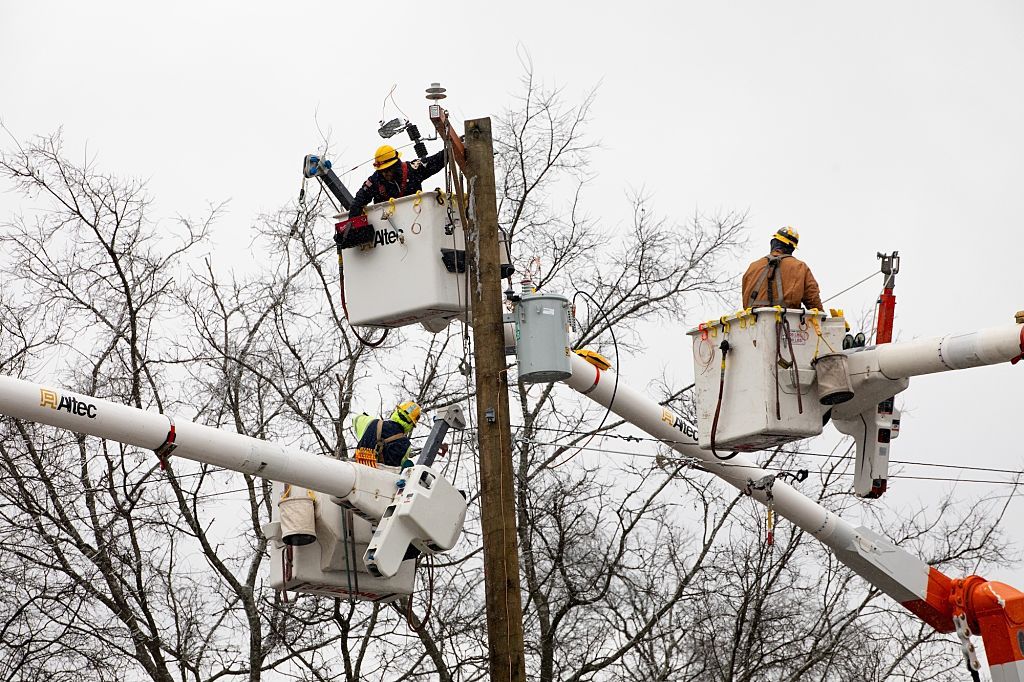
Just as Nashville was grappling with the devastating impact of a brutal winter storm—leaving two dead and approximately 6,000 residents without power—Republican leaders in the city decided to shift the blame to Diversity, Equity, and Inclusion (DEI) initiatives. In a time when communal support and solidarity are desperately needed, their choice to politicize the crisis reveals a disheartening truth about accountability and governance in America, particularly when the stakes involve the lives of everyday people.
To fully grasp the absurdity of this finger-pointing, it’s crucial to understand the context behind Nashville’s recent challenges. The winter storm wreaked havoc not only on infrastructure but also exposed the vulnerabilities that low-income communities, particularly in marginalized neighborhoods, face during such disasters. Instead of rallying to support those impacted, some local leaders opted to scapegoat DEI programs, claiming that they distract from essential services and preparedness. This kind of rhetoric is not new; it’s a familiar tactic that undermines critical discussions about inclusivity and equity, especially when those who are leading the charge are often insulated from the very consequences of systemic neglect.
What does this mean for the culture, especially within Black communities who have historically been marginalized in these conversations? It signifies a troubling trend where political players are willing to further divide rather than unite. DEI efforts should not be the enemy; they are essential in addressing the systemic inequities that have left many Black and brown families vulnerable to crises like these. When the conversation shifts from accountability to a culture war, it sacrifices the real lives affected by these disasters. Instead of coming together to find solutions, we see a diversion that could cost lives and deepen societal divides.
Reflecting on history, we can draw parallels to the aftermath of Hurricane Katrina. In that moment, the world witnessed an alarming lack of urgency and care extended to Black communities, revealing an uncomfortable reality about racial disparities in crisis response. Just like in New Orleans, the failure to properly address infrastructure and emergency services exposes a continued pattern of neglect. The pattern isn’t just about storms or outages; it’s about how governmental neglect often becomes amplified in marginalized communities, and how political leaders choose to address these crises—or, as we see in Nashville, dodge responsibility in the name of political agendas.
Looking ahead, it’s imperative for communities to not only stay alert but to hold leaders accountable for their actions and inactions. The real question is what comes next: Will Nashville learn from this disaster, or will we continue to see a refusal to confront systemic issues head-on? As winter storms become more frequent and devastating due to climate change, the need for robust, equitable infrastructure grows. It’s time for a collective demand for leadership that focuses on community welfare and systemic repair, rather than scapegoating DEI while the lights go out.
About The Author