By DeShawn Price, PowerVault Staff
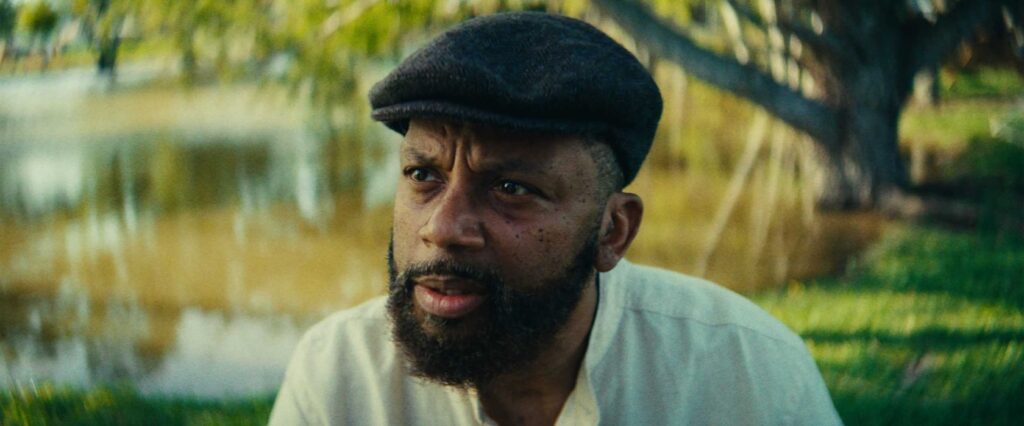
As we gear up for the 250th anniversary of the United States on July 4, acclaimed filmmaker Isaac Yowman’s new film, ‘Sincerely Brad,’ is set to premiere on The Roku Channel. This release comes at a moment when many of us are grappling with the contradictory emotions that accompany Independence Day—a celebration of freedom that historically excluded a significant portion of the population. Yowman’s work promises to delve deep into the complexities of Black identity and the multifaceted relationship we have with a nation that has often overlooked our contributions.
The significance of this film lies not only in its release date but also in its exploration of the rich tapestry of Black experiences in America. For centuries, we have suffered, fought, and contributed, but mainstream narratives often fail to recognize the full scope of our story. Yowman’s film embodies this struggle, portraying a nuanced perspective that highlights both the joys and the pains of being Black in a country that continuously grapples with its own racial contradictions. In a time when Black storytelling is gaining more visibility in Hollywood, ‘Sincerely Brad’ serves as a timely reminder that we still have so much to unfold.
What makes ‘Sincerely Brad’ particularly vital for our culture is its ability to bring authenticity to conversations around race. As the film industry sees a surge in content that tackles racial injustices, it’s crucial that stories like Yowman’s continue to emerge. They remind us that our narratives should not be one-dimensional; they are complex, layered, and deserving of a platform. This film could very well be a catalyst for further discussions about race relations and identity, sparking a movement that encourages deeper introspection within our communities and beyond.
Looking back, we can draw parallels to other cultural touchpoints that emerged during pivotal moments of transformation. Consider Spike Lee’s ‘Do the Right Thing,’ which came out in 1989 amidst the growing tension surrounding race in America. Just as Lee’s work pushed boundaries and challenged societal norms, Yowman is now positioning himself within that legacy. He is contributing to a lineage of Black filmmakers who have not only chronicled our struggles but have also inspired change in how we perceive ourselves within this national narrative.
As we celebrate our heritage and the strides we’ve made as a community, it’s essential to keep an eye on how narratives surrounding Black life continue to evolve. After ‘Sincerely Brad’ launches, it will be interesting to see how audiences respond and what conversations will emerge. Will Yowman’s film ignite a broader cultural dialogue about the Black experience in America? As we reflect on our past, let us also embrace the future of storytelling—one that is rich, diverse, and unapologetically Black.
About The Author