By Renee Fontaine, PowerVault Staff
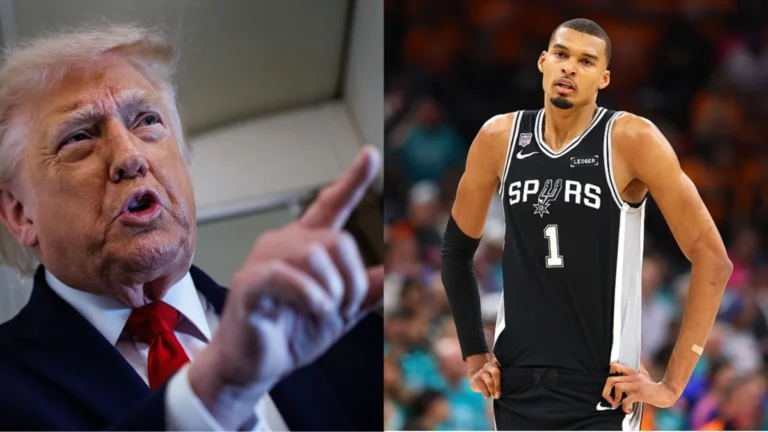
In an unexpected twist to the San Antonio Spurs’ recent return to the NBA Finals, a television broadcaster has been fired following allegations made by his girlfriend. She claims he cheated on her with the sister of a player on the team. While the drama sounds like something straight out of a soap opera, it’s a stark reminder that even in the high-stakes world of professional sports, human emotions and personal relationships can lead to significant fallout.
To fully grasp the context, we need to recognize how intertwined the lives of players, their families, and the media can become. The league has always been a spectacle, combining athletic prowess with celebrity culture, and when personal matters spill into public view, they can have far-reaching consequences. This isn’t just a case of workplace misconduct; it’s about loyalty, betrayal, and the fragility of reputation in an industry where image is everything. As the Spurs bask in their hard-earned success, the focus on the broadcaster’s scandal diverts attention away from the team’s accomplishments, illustrating how the personal can become political in an instant.
From PowerVault’s perspective, this situation speaks volumes about the culture of the NBA and its surrounding ecosystem. For Black culture, sports have often been a double-edged sword—a platform for excellence and a site for controversy. Here we see how quickly the narrative can shift from celebrating athletic talent to dissecting personal failures. While this broadcaster’s situation may seem trivial in the grand scheme of the league, it echoes deeper issues about accountability, respect, and the need for ethical conduct, particularly in a community that has long fought against stereotypes and stigmas.
This isn’t the first time we’ve seen off-court drama overshadow athletic achievement. Consider the fallout surrounding players like Allen Iverson and his legal battles or the tumultuous relationships that often emerge in the lives of other NBA stars. These stories resonate not only because they are sensational but also because they tap into the complexities of fame, race, and identity in America. The NBA is more than just a game—it’s a cultural phenomenon that reflects societal norms, and when personal lives become public spectacles, it can reinforce negative narratives about Black men in sports, turning them into caricatures rather than celebrating their humanity.
Looking ahead, this incident raises essential questions about transparency and accountability in sports broadcasting and the expectations placed on those who occupy public-facing roles. It also invites us to consider how the NBA will navigate these kinds of narratives in the future. As fans and cultures evolve, so too should our understanding of the human stories behind the athletes we celebrate. The broader picture is clear: while the game continues to thrive, the need for integrity, both on and off the court, is more critical than ever. We should keep an eye on how the league and its community respond to these challenges and whether it leads to more profound conversations about respect, loyalty, and the blurred lines between personal and professional lives.
About The Author