By Jasmine Reed, PowerVault Staff
When we tune into our favorite hip-hop tracks or R&B ballads, we often forget that the artists behind the magic are entrenched in a struggle that goes beyond mere chart positions. Recently, a wave of Black artists has begun to speak out against the exploitative practices that have plagued the music industry for decades. Unpaid royalties, predatory contracts, and the theft of music disguised as ‘covers’ are not just unfortunate side effects of a flawed system; they are ingrained injustices that have persisted since the birth of Black music itself.
To understand this outrage, we must look back at the history of Black artists in the music industry. From the days of slavery, when spirituals were fashioned into commodities without credit given to their creators, to present-day scenarios where artists sign contracts that strip them of control over their own work, exploitation is woven into the very fabric of the industry. Not only have major labels profited immensely off the talents of Black musicians, but they often do so while relegating these artists to an afterthought when it comes to fair compensation. The narrative of the record label as the gatekeeper has led to an imbalance that has marginalized Black voices in favor of profit.
This currently unfolding dialogue is crucial for our culture; it’s a call to action that urges us to reexamine the structures that allow such exploitation to continue. The music produced by Black artists is not just entertainment—it’s a vital part of our collective identity. It reflects our history, our resilience, and our dreams. When artists demand transparency and equity, they’re not just fighting for themselves; they’re standing up for a community that has been silenced, robbed, and marginalized for too long. The artists speaking out are reclaiming their agency, and in doing so, they’re rewriting the narrative of Black music from victimhood to empowerment.
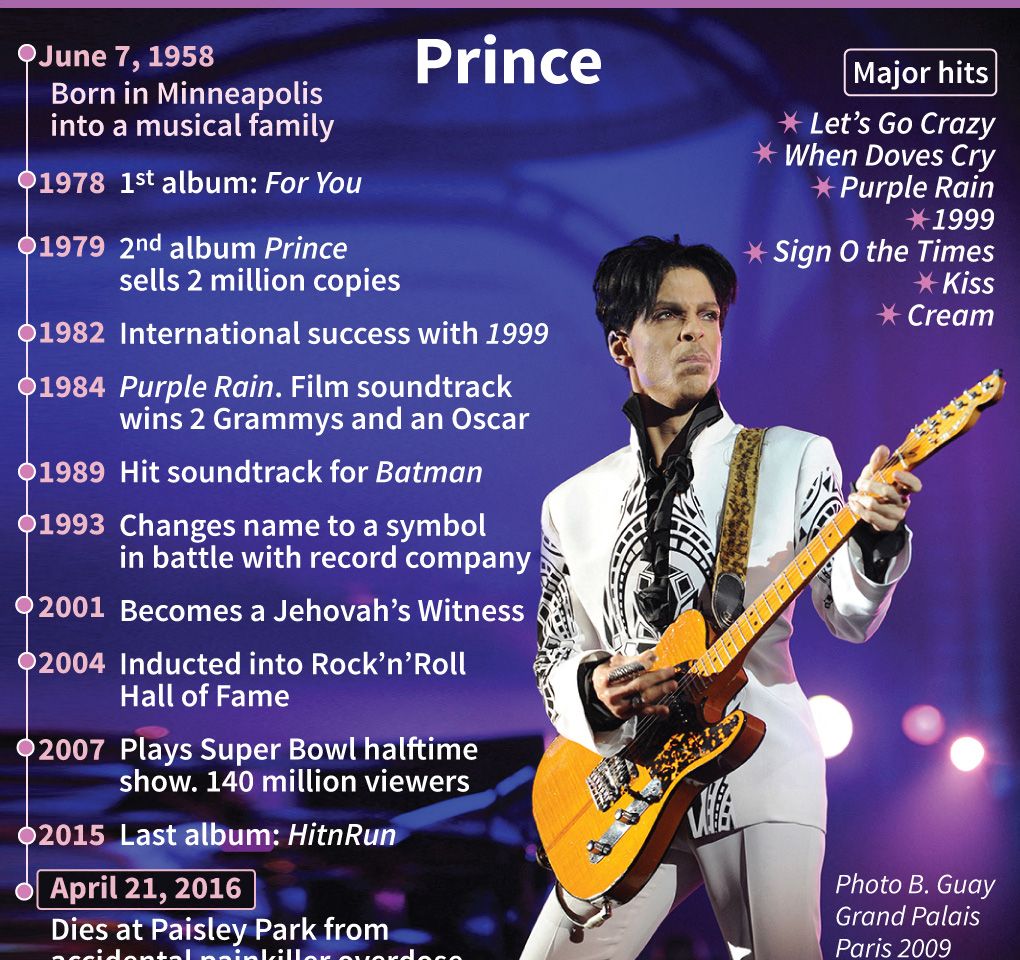
Let’s take a moment to reflect on the music industry’s past, specifically the 1980s and 1990s, when artists like Prince and TLC fought back against oppressive contracts and fought for creative freedom. Their battles led to significant changes in the industry, yet the fight is far from over. Similar to the revolution of the 90s, today’s artists are leveraging social media platforms to voice concerns and rally support for change. This is not just a phase; it’s a movement that is gaining momentum and has the potential to reshape the entire industry landscape.
Looking ahead, we need to keep our ear to the ground and watch how this movement unfolds. The momentum is palpable, and with every artist that takes a stand, there’s an opportunity for a larger conversation around ownership, rights, and representation in the music industry. As listeners and consumers, we can support these movements by demanding more accountability from record labels and by actively seeking out artists who prioritize their independence. The future of Black music depends on our collective commitment to fighting for what’s right—because in this journey for justice, every note and every lyric is a declaration of our power.
About The Author