By DeShawn Price, PowerVault Staff
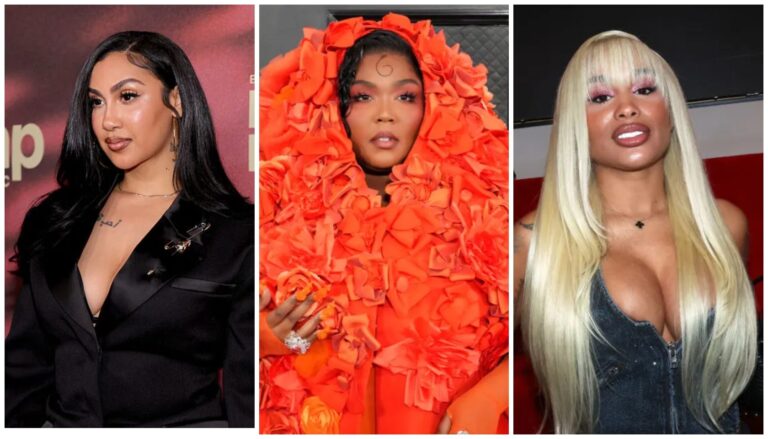
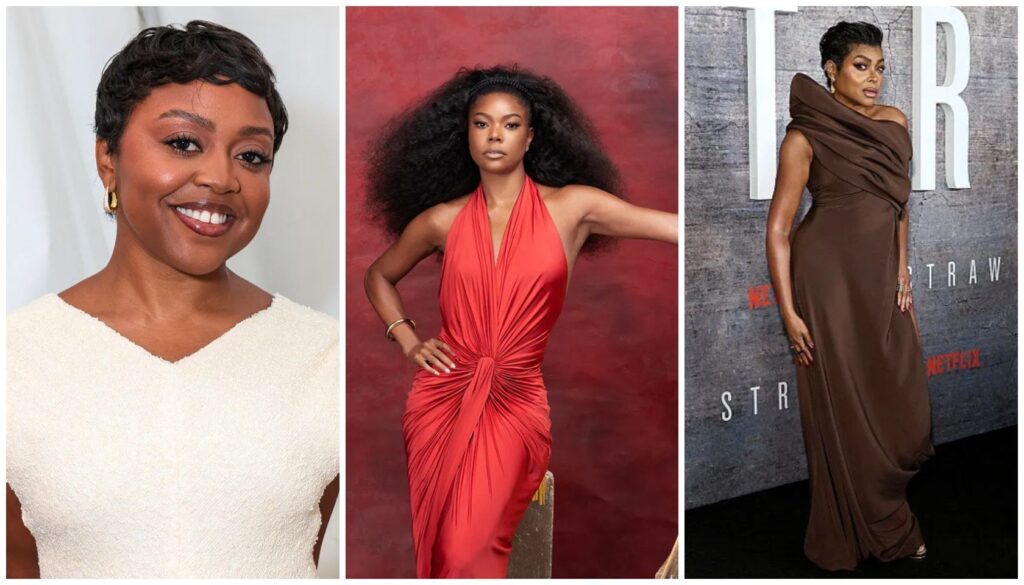
In a bold and refreshing wave of creativity, Black women are taking center stage in television, leading shows that not only entertain but also inspire. This recent spotlight on Black women-led TV shows highlights a growing trend where the stories of Black women are being told with nuance, depth, and authenticity. From powerful dramas to laugh-out-loud comedies, these shows aren’t just breaking through; they’re redefining what it means to be a Black woman on screen.
To understand this moment, we must reflect on the historical context that has often relegated Black women to the sidelines in Hollywood. For decades, our stories were either warped through a white lens or left untold entirely, forcing audiences to rely on stereotypes or a one-dimensional portrayal of Black life. The rise of Black women storytellers, writers, and producers is a radical correction to this narrative. Women like Issa Rae, Shonda Rhimes, and Lena Waithe are not only creating spaces for themselves but are also amplifying the voices of countless others in the industry.
The emergence of these shows signifies more than just representation; it’s a cultural reclamation. Black women are crafting their narratives, showcasing the complexities of our experiences while embracing joy, pain, sisterhood, and resilience. The stories being told are as varied as the women leading them—each character a reflection of the multifaceted nature of Black womanhood. This is a celebration of our diversity, and it gives way to conversations about identity, mental health, and sexuality that are crucial in today’s society.
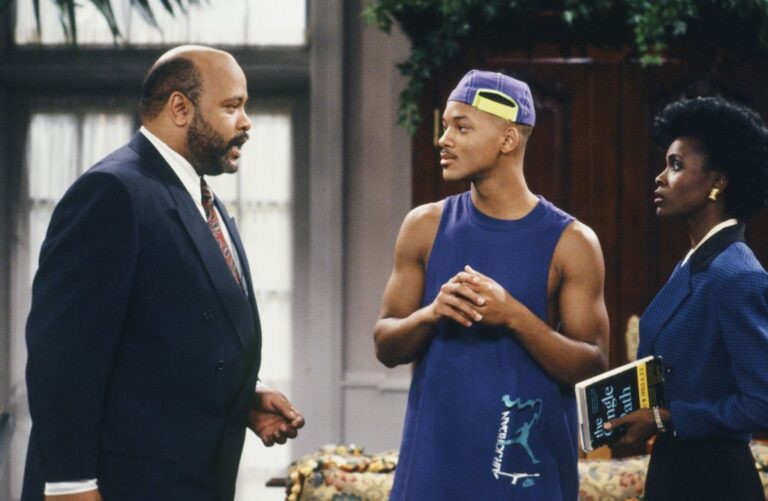
This shift is reminiscent of the 90s and early 2000s, a time when Black sitcoms like “Living Single” and “The Cosby Show” began to change the way Black families were portrayed. Yet, while those shows laid a foundation, the current offerings dive deeper and address modern complexities that resonate with today’s generation. We’re not just seeing the triumphs but the struggles, the hustle, and the everyday life of Black women navigating a challenging world.
As we look ahead, it’s essential to support these narratives that empower and uplift. We must continue to champion not only the shows that are currently making waves but also the writers, directors, and producers behind them. The future of storytelling is bright, and as more Black women take the helm, we can anticipate an even broader spectrum of stories that reflect our realities. So, whether it’s binge-watching the latest series or engaging in community discussions, let’s celebrate this moment and foster the change it brings. Our stories deserve to be told—boldly and unapologetically.
About The Author