By Jasmine Reed, PowerVault Staff
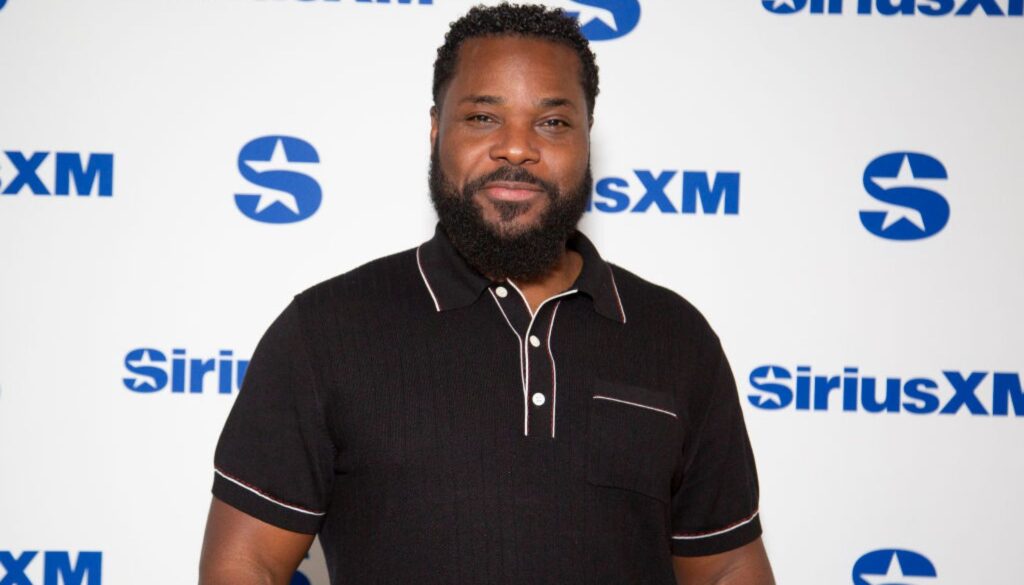
In a heartfelt interview with Gayle King, Tenisha Warner, the widow of the late Malcolm-Jamal Warner, opened up about the profound impact of her husband’s passing a year ago. As she navigates the complexities of grief alongside their daughter, she finds herself embroiled in a legal battle with Malcolm’s mother over his estate, a situation that many might find bittersweet at best. This chapter of their lives not only highlights the raw emotions associated with loss but also underscores the often-overlooked complexities of legacy, family, and financial disputes that follow the death of a beloved figure.
To fully grasp the weight of Tenisha’s revelations, it’s essential to understand the man that Malcolm-Jamal Warner was. Best known for his role as Theo Huxtable on the groundbreaking sitcom “The Cosby Show,” Malcolm didn’t just entertain; he represented a generation of Black youth navigating the complexities of identity, family, and societal expectations. His talent transcended acting, as he ventured into music, directing, and activism. Yet, this multi-faceted legacy is now under scrutiny, as his widow and daughter face challenges from his own blood. This situation raises uncomfortable questions about how quickly grief can be complicated by financial and familial disputes.
The reality is that the legacy of Black men in Hollywood often comes with an asterisk. While they may achieve monumental success, their families frequently find themselves grappling with the aftermath of their fame. In Tenisha’s case, it’s not just about mourning her husband; it’s about securing a future for their daughter amid a hostile legal landscape. This situation is emblematic of a broader narrative in our community where love and loss can become entangled with ownership and rights. It exposes the cracks in Black familial structures, often exacerbated by societal pressures and economic disparities. For many, these stories serve as a harsh reminder that love does not shield us from the realities of the world, especially in a society that frequently undervalues Black lives.
Looking back, we can draw parallels with the legal disputes surrounding the estates of other prominent figures in Black culture. Consider the case of Prince, whose untimely death sparked a series of legal battles that ultimately overshadowed his musical genius. The struggle for control over his legacy revealed the stark realities of the entertainment industry, where the systems in place often favor those who can capitalize on tragedy rather than honor the life lost. Tenisha’s situation, while unique, echoes this narrative: it’s a fight not just for her husband’s name but for the future of their family against a backdrop of deep emotional pain.
As we reflect on Malcolm’s legacy and the complexities surrounding his passing, it becomes clear that this story is far from over. The intersection of grief and legal battles is a painful yet necessary conversation in our community. It’s a reminder that while we may celebrate our icons and their contributions, we must also prepare for the messiness that can come in their absence. What’s next for Tenisha and her daughter remains to be seen, but it’s crucial for us as a community to stand in solidarity and support those left behind. The fight for justice is often as important as the celebration of life, and in the case of Malcolm-Jamal Warner, his legacy deserves nothing less.
About The Author