By Tanya Brooks, PowerVault Staff
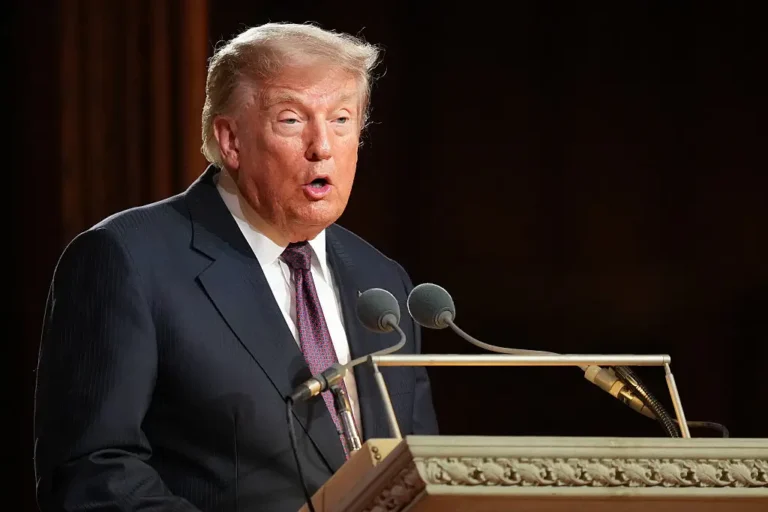
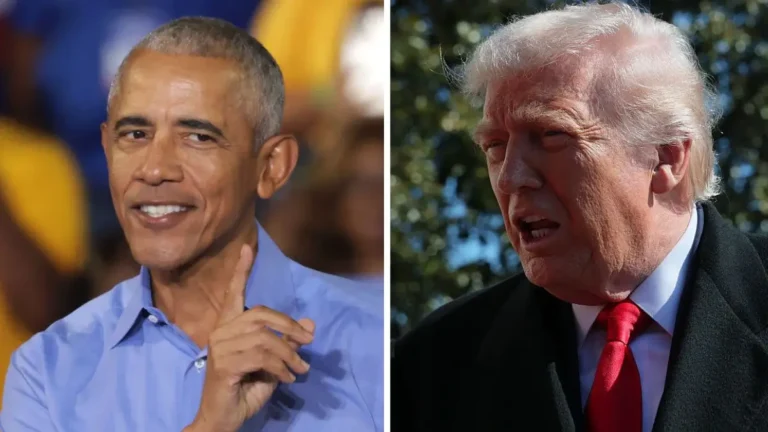
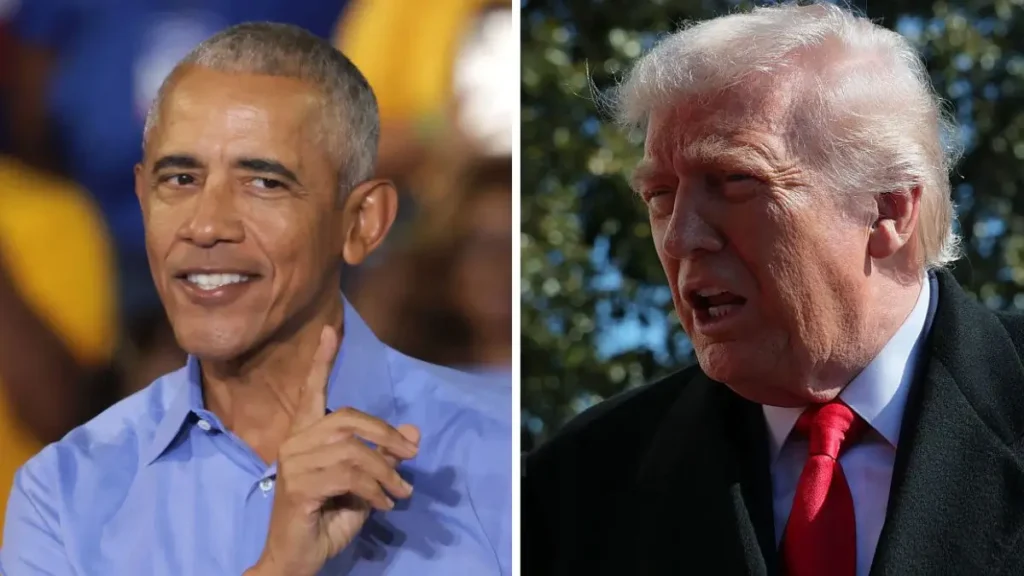
The world of politics and pop culture collided spectacularly once again as former President Donald Trump took to live TV, and as per usual, his long-standing obsession with Barack Obama was laid bare for everyone to see. It’s a tale as old as the Trump presidency itself, but why does this rivalry—one that seems to live rent-free in Trump’s mind—continue to unravel in such dramatic fashion?
Let’s set the scene: Trump is on a call, and like many times before, the conversation turns to Obama. Now, if you’ve been following the Trump-Obama saga, you know this isn’t just about politics. It’s deeply personal. It’s like when Jay-Z and Nas were in their prime beef days, and every track was a fresh wound waiting to be opened. Trump lambasted Obama, alleging all sorts of things, but this time, he went as far as inadvertently throwing his own allies under the proverbial bus.
From a cultural perspective, Trump’s repeated return to Obama as a focal point of his tirades isn’t just about policy differences; it’s about legacy, optics, and trying to rewrite a narrative that just doesn’t add up for the former president. The obsession almost mirrors Kanye West’s fixation with recognition and validation—something he spoke about when he said ‘Bully’ means more than ‘Graduation’ or ‘Watch The Throne’. Both men seem intent on cementing their version of history, no matter how much it distorts reality.
Trump’s latest outburst was triggered by a comparison that Obama made—subtly, yet effectively. And it played right into the former president’s insecurities about his own political legacy. It’s almost like when Future drops a new album, and the world waits to see if he can redefine hip-hop yet again, as discussed in our piece on Future’s Billboard Sales. The stakes are high for Trump too, but in the realm of political legacy rather than music charts.
For Black millennials and Gen Z, the importance of the Obama presidency can’t be overstated. Obama wasn’t just the first Black president; he was a cultural icon, a symbol of progress and possibility. His presidency had the kind of cultural impact that resonates deeply with a community that’s often been marginalized. So, when Trump attacks Obama, it’s not just a political jab; it’s a swipe at a symbol of Black excellence.
Trump’s spiraling on live TV is more than just a headline—it’s a reminder of how the culture wars and identity politics continue to shape our national discourse. It’s similar to how certain events can become touchstones in the community, like the importance of the 2026 March on Washington for defending voting rights. These are not just events or statements; they are cultural moments that define and reflect the community’s values.
Looking ahead, what does this mean for Trump and the political landscape? Well, as long as he continues to engage in these kinds of public meltdowns, his political capital may erode further. But more importantly, these kinds of tirades remind us why staying engaged in the political process matters. They serve as a call to action for those who want to see a more inclusive and equitable society. Just like when Travis Scott redefined music videos—it’s about pushing the boundaries of what’s possible and creating a new narrative.
In the grand scheme, Trump’s obsession and the constant comparisons to Obama will likely continue. But the real question is, what will we, as a community, do with these moments? How do we leverage them to create change and uphold the legacy of leaders who have paved the way for progress? As always, it’s a story still being written, and one we should all be invested in.
About The Author