By Renee Fontaine, PowerVault Staff
Picture the start of late August in Atlanta. The heat is still thick, the energy is rising, and every kid in the neighborhood is stressing over their first day outfit. Walking into class with the wrong drip can ruin an entire semester when you are ten years old. Dominique Jones knows that reality better than almost anyone in the rap game. Before he was Lil Baby pulling up to Paris Fashion Week or stacking platinum plaques, he was just a child navigating the West End streets, trying to make sure he looked right and felt confident. That exact memory drives one of the most consistent summer events in Georgia.
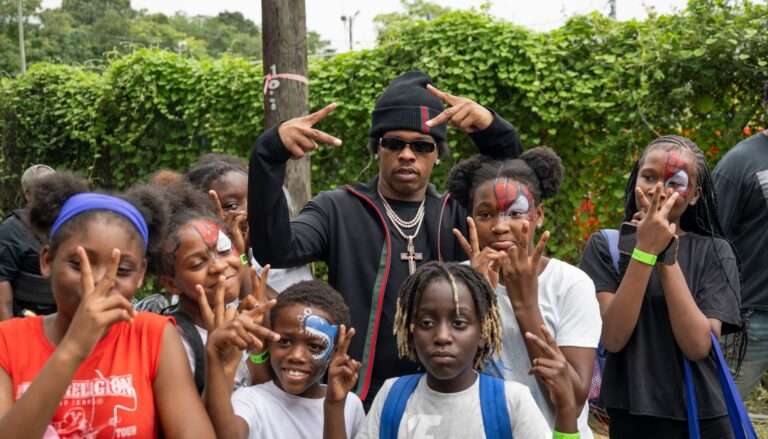
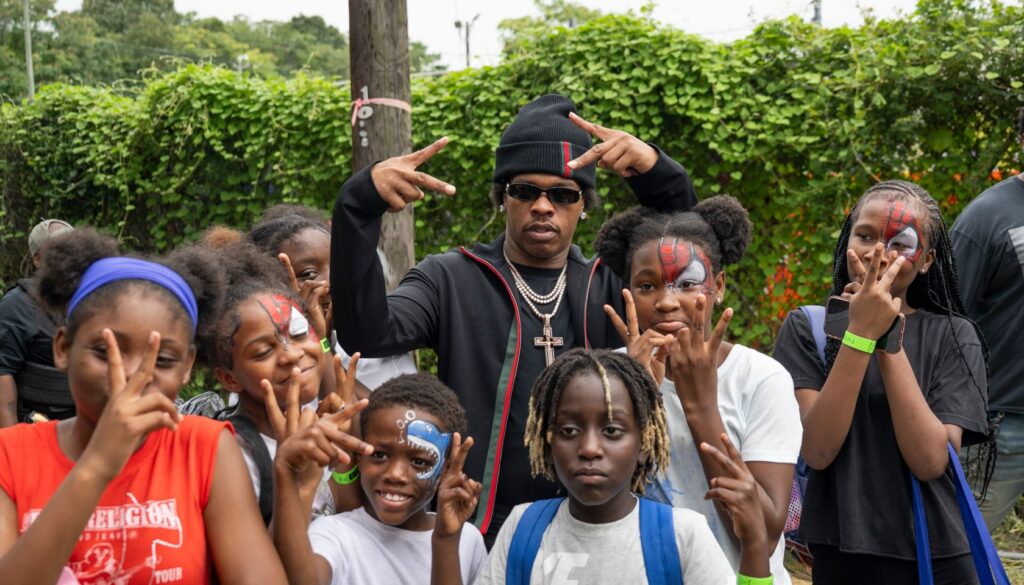
For the sixth year running, Lil Baby locked down the West End Production Park for his annual Back to School Fest. Partnering through his community foundation, The Jones Project, the Quality Control superstar transformed the venue into a massive neighborhood block party and resource hub. Around four thousand local students pulled up with their families to get fully outfitted for the upcoming academic year. The setup was not just a lazy box of yellow number two pencils and a cheap plastic folder. Children walked away with head to toe fresh gear, brand new outfits, school supplies, free hot food, and professional haircuts on site to ensure their shape ups were crisp before the opening bell rang.
Mainstream media outlets are quick to run headlines whenever rap culture collides with legal drama or high stakes conflict. Cable news anchors love to lecture the public on the perceived negatives of trap music, yet those same cameras magically disappear when an artist quietly spends hundreds of thousands of dollars out of pocket to clothe four thousand children. What Lil Baby accomplishes every summer in Atlanta represents the real core of hip hop culture. Hip hop has always been an organic survival ecosystem built by people who took nothing and turned it into economic momentum for their people. When artists hit the top of the Billboard charts, the real ones do not just buy bigger chains. They build infrastructure right back where they took their first steps.
This commitment places Lil Baby in a long lineage of rap leaders who understood that street credibility means nothing if your neighborhood cannot feel your success. In the late nineties and early two thousands, figures like Master P in New Orleans, T.I. in Bankhead, and Ludacris across metropolitan Atlanta set the blueprint for rap philanthropy. Nipsey Hussle elevated that mindset in South Los Angeles by purchasing commercial property and funding STEM programs for local youth. Newer voices in the culture continue to champion that same mindset, much like how artists like Skilla Baby channel Tupac by mixing raw street realities with a genuine desire to uplift their communities. Lil Baby carries that tradition forward with relentless consistency, proving that doing work in your hometown is a mandatory responsibility.
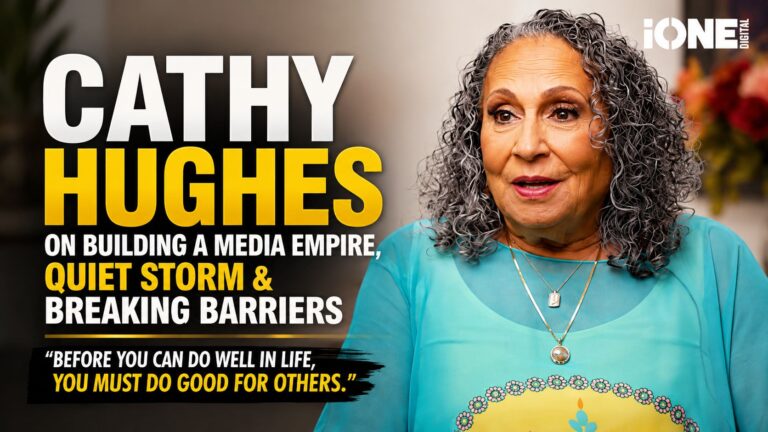
The financial pressure on Black parents during back to school season is a real burden that rarely gets talked about on national television. Between buying uniforms, shoes, backpacks, and basic classroom necessities, preparing a family for school can cost hundreds of dollars per child. In lower income neighborhoods where inflation has pushed basic groceries to record highs, that expense forces tough sacrifices. By stepping in to cover those costs for four thousand families, The Jones Project delivers immediate financial relief directly into the hands of the people who need it most. It mirrors the long term vision of legendary pioneers who prioritized community economic power, similar to how Cathy Hughes built Urban One to ensure Black voices had total control over their narrative and resources.
This kind of hometown investment reflects a broader shift across Black culture, where superstars use their platform to protect and elevate their birthplaces. We see that exact same mindset in professional sports when stars return home to build long lasting community initiatives, like why LeBron James launching a PGA Tour golf event in Akron serves as a massive economic anchor for his hometown. When Lil Baby hosts four thousand kids in Atlanta, he is sending a clear message to the next generation. He is showing these young students that success does not mean abandoning the block. It means coming back stronger and making sure the door stays wide open for everybody coming up behind you.
What makes Lil Baby’s initiative stand out is the sheer lack of corporate fluff surrounding the event. Too many celebrity charity pop ups feel like sterile photo opportunities created by public relations firms looking for a quick tax write off. The Back to School Fest feels like a legitimate family reunion. Kids are running around playing games, eating good food, getting fresh haircuts from local barbers who know the community, and taking home gear that they actually want to wear. There is no condescension or performative posturing. It is real love rooted in shared lived experience, executed by someone who remembers what it feels like to sit on the porch wondering how his family was going to pay for new school clothes.
Confidence matters just as much as textbooks when it comes to childhood development. Walking into a school building on day one feeling underdressed or unprepared creates a psychological barrier before a single lesson is taught. Giving a child a fresh haircut and a crisp fit gives them a sense of dignity that carries through the entire school year. When a kid looks in the mirror and sees themselves looking sharp, their posture changes. Their attitude shifts. They walk through the school doors ready to learn rather than trying to hide in the back row. That emotional boost is priceless, and it is something that no budget spreadsheet can accurately quantify.
As hip hop approaches its next era, the standard for greatness is rapidly shifting. Hit records and streaming numbers will always hold weight, but the legacy of an artist will ultimately be judged by what remains when the music stops playing. Lil Baby reaching six consecutive years of community investment in Atlanta proves that his commitment to the West End is not a temporary trend. Fans will keep bumping his music on streaming platforms, but the children who walked out of West End Production Park with fresh gear and full bellies will remember this moment for the rest of their lives. That is how true culture is preserved and passed forward.
About The Author