By Andre Coleman, PowerVault Staff
The first time you hear a mayor say a rapper’s name into a microphone with the city seal behind them, it lowkey feels like a glitch in the Matrix. This is the same culture politicians used to blame for crime, for broken homes, for everything wrong with America. Now they’re reading proclamations, holding up plaques, talking about “service to the community” while the crowd screams for somebody who used to get frisked on that same block.
Rappers having official days named after them is one of those things that sounds like a fun headline, but it actually tells a much bigger story about where hip-hop sits in power, politics and Black life right now. When a city gives you a day, they are not just saying “we like your music.” They are saying, “You represent us. You are part of our brand. You helped shape this place.” That is wild when you remember how many of these same artists spent half their career being treated like public enemies.
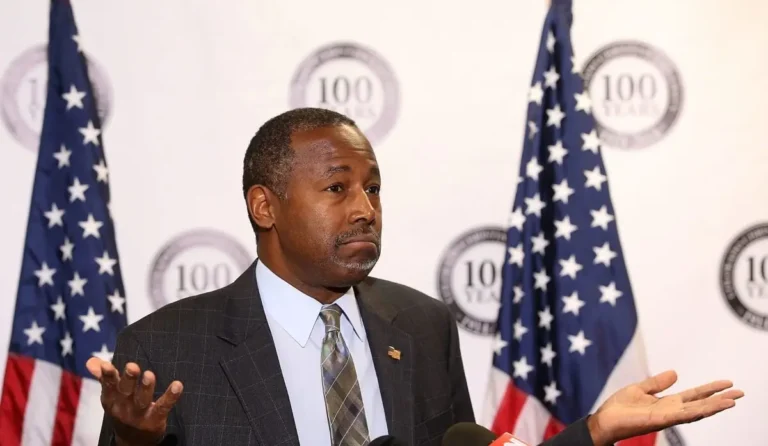
Think about the visual. A city council chamber or a downtown plaza, police officers on the perimeter, a mayor or council member in a suit, and then a rapper who came up on mixtapes and club promoters standing next to them, holding a framed certificate. That image alone shows how far the culture has moved from being something to contain to something cities want to claim.
Honorary days usually start local. Hometown kid makes it out, stacks some hits, gives back, and suddenly October whatever is declared “So-and-So Day” in that city. Houston has multiple days tied to its legends. Atlanta does too. New York has handed out days to everybody from old school icons to current stars. Some are symbolic and stop there. Others grow into annual events, block parties, food drives, school visits, whole festivals. That second version is where the power lives, where the name on the paper turns into real motion on the ground.
When a rapper gets their own day, it is basically the city stamping a story. For a long time, the official story of American cities erased the very neighborhoods that birthed hip-hop. Property values went up, murals came down, and suddenly the same corner where somebody shot a music video in 2004 is a wine bar with a “no loitering” sign. Slapping a rapper’s name on the calendar does not fix gentrification, but it does put a different kind of ink on the historical record. It says this sound, this slang, this crew, this block, mattered.
There is also a generational flex happening. Most mayors and council members now grew up with hip-hop, not just watching it from the outside. They remember the first time they heard a certain song on the radio, or saw a local artist blow. They know that honoring a rapper hits the community different from honoring a bank CEO. It brings out the kids. It energizes the streets. It actually looks like the city that people live in, not the one on tourism brochures.
But here is where the conversation gets real. A rapper day can be pure love, or it can be political cosplay. Some cities treat it like a photo op: show up, shake hands, give the plaque, get the press, and disappear. Meanwhile those same leaders will not put money into schools, will not fix food deserts, will not address police violence or housing. That kind of thing turns an “honorary day” into a bandage over a bullet wound.
That is why the artists who really lean into their day matter. When a rapper uses their official day to organize a back to school drive, a health fair, a concert that raises money for scholarships, that is not just a feel good story. That is infrastructure. In a lot of Black neighborhoods, the city is present when it is time to collect fines, but invisible when it is time to invest. Rappers with days named after them are stepping into that vacuum, pulling favors, bringing sponsors, turning their celebrity into a temporary public service department.
This is not some brand new idea. Back in the 90s and early 2000s, a lot of artists hosted annual days and weekends in their hometowns without the city’s blessing. Think about those old “give back to the hood” cookouts, park concerts, toy drives. The difference now is that City Hall is printing certificates and putting those same events on the official calendar. What used to be seen as “the streets doing their own thing” is becoming part of the civic story.
There is a direct line from things like this to what we see with hip-hop in schools. When educators bring in rap to teach history and social studies, like the work happening around Griot B’s School Yard Rap, they are telling kids that their culture is not a distraction from learning. It is the doorway to it. A “rapper day” functions the same way on a city level. Kids see their favorite artist being treated like community leadership, and it quietly reprograms what success can look like.
There is also a spiritual side nobody really talks about. Black folks have always had our own saints, whether the system recognized them or not. Church mothers, organizers, coaches, that one OG on the block who kept kids in line. In a weird way, rappers getting days named after them is the secular, city-hall version of that. These are people we already made legends in our own circles. The government is just late to the party.
Of course, the flip side is that once the system claims you, it tries to clean you up. Suddenly lyrics that were fine for 15 years become “problematic” when the city’s logo is next to your name. People start digging up old tweets, old mugshots, old interviews. The same media that never covered your charity work will write three thinkpieces about one messy bar. That pressure is real. Some artists lean away from it, scared to be too political and lose the bag. Others lean all the way in and make their day a platform to call out the city that is honoring them.
This is where the tension between visibility and safety hits. Every time Black folks get a little more official recognition, there is a quiet question in the background: does this actually make us safer, or just more exposed? The same America that will name a day after a rapper will also shrug when a Black person is found dead in suspicious circumstances and rush to call it a suicide. Stories like the Black man found hanging from a tree in North Carolina are a reminder that symbolic progress and real protection are not always moving at the same speed.
There is also a gender piece that rarely gets airtime. When cities do hand out these honors, they are still mostly going to men, even though women have held entire regions on their backs. The same way people obsess over which male rappers have the most kids and what that means for the culture, like in our breakdown of rappers with the most kids, there is not enough conversation about which women are quietly funding schools, paying rent, starting foundations, and never getting a plaque. As hip-hop keeps aging into its 50s and 60s, that imbalance is going to look even louder.
On a cultural level, rapper days are part of a bigger shift where Black music is finally being treated as civic heritage, not just entertainment. The same energy that shows up every June for Black Music Month, which we broke down in our look at why Black music has always been our lifeline, is now getting locked into local calendars one artist at a time. Cities know there is tourism money in nostalgia. Fans will fly out, hit the mural, buy the merch, go to the annual show. Officials are not blind to that.
Hip-hop has always been about territory. Repping your block, your side, your coast. A “day” is like the city’s way of officially conceding that territory to you. This is your corner of the map. Your story is part of how we sell this place to the world. When that happens for multiple artists in the same city, it actually paints a more honest picture. There is not just one face of Atlanta, one face of New York, one face of Chicago. There are dozens of them, coexisting, overlapping, sometimes beefing, sometimes collaborating, all etched into the civic story.
What matters most now is what these days become over time. If they turn into yearly rituals where kids know “this weekend is when the city really looks like us,” that is powerful. Imagine a teenager growing up in a city where every year they see a rapper they love come back home, cut checks for scholarships, talk about mental health, bring out local vendors, uplift small Black businesses, and shine a light on city issues. That kid will never again believe the lie that hip-hop is only about destruction.
There is also a political future sitting inside these ceremonies. Today it is symbolic proclamations. Ten years from now, some of these same artists or people from their camps could be running for office themselves, or backing candidates who actually come from the neighborhoods whose pain fills those songs. The gap between rap and policy is already shrinking. You see it in how artists speak on prison reform, housing, reproductive rights, voting access. You see it in defense attorneys like the one we profiled in our story on Brian Steel, who are literally fighting the justice system on behalf of rappers while the music becomes courtroom evidence.
Honorary rapper days might look small compared to all of that, but they are a signal. They show that cities cannot erase hip-hop even if they wanted to. The sound is too global, the influence is too deep, the receipts are too long. When a local government puts a rapper’s name on the calendar, it is quietly admitting that the people already did that in their hearts years ago.
So when the next announcement goes viral that some city just declared a “fill-in-the-blank Rapper Day,” pay attention to what happens after the photo op. Do they build something around it. Do schools get involved. Do local businesses get a boost. Does the artist speak on real issues or keep it surface. Those answers will tell you if this is just a plaque on a wall, or the start of a new tradition where hip-hop’s biggest names are not just soundtracking the city, but helping run it.
Because as the culture keeps aging, these days might be the blueprint for something bigger. Today it is symbolic recognition. Tomorrow it could be budgets, policies and long term institutions carrying those same names. And when that happens, it will not just be about having a day. It will be about having a lasting seat at the table hip-hop built from nothing.
About The Author