By DeShawn Price, PowerVault Staff
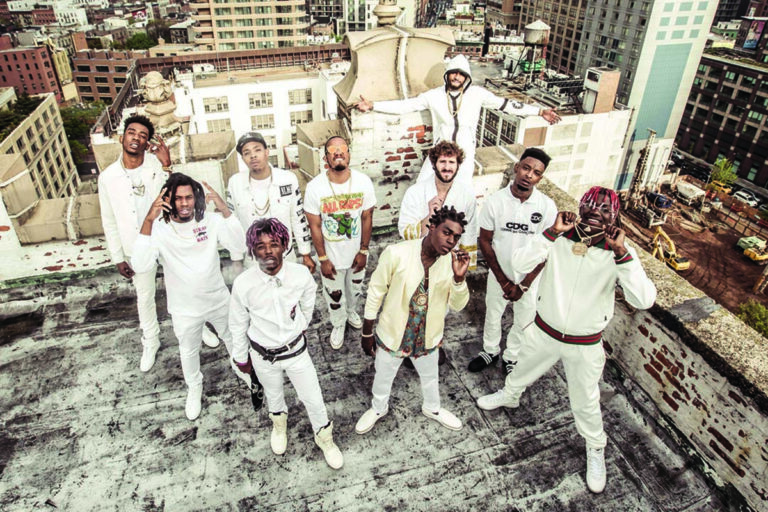
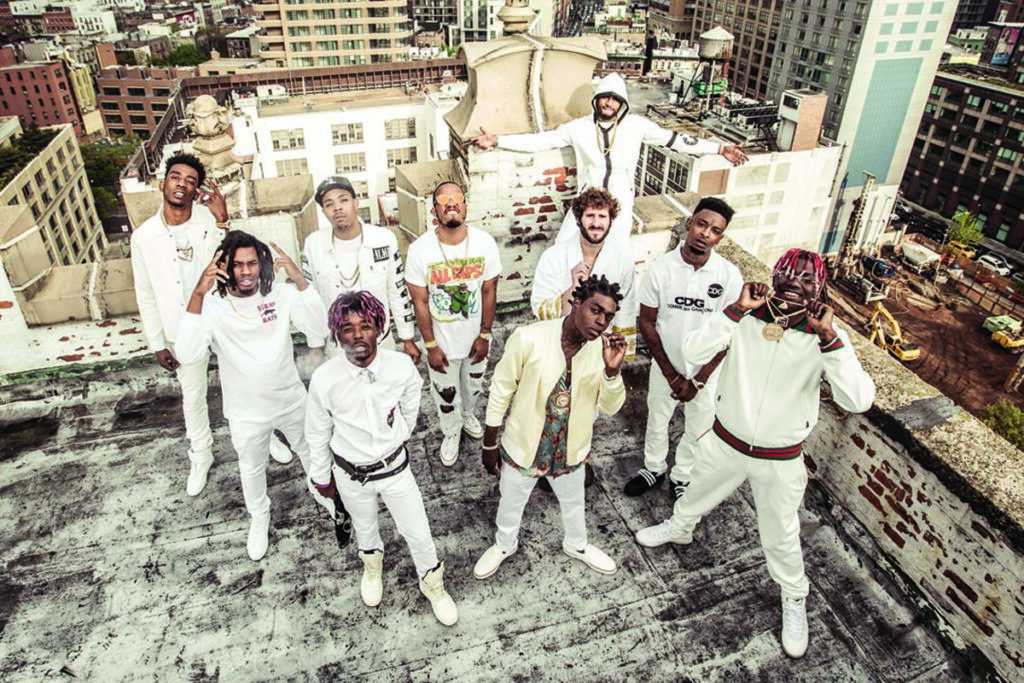
The first time that 2016 XXL Freshman cover hit the timeline, it felt less like a magazine spread and more like a prophecy. Ten kids in bright colors and wild fits, half of them barely household names yet, all staring back like, “Yeah, we know what’s about to happen.” If you were tapped in back then, you remember the arguments, the jokes, the “who is that?” comments, the instant stanning of some and the slander of others.
Looking back now, that class did more than just introduce new rappers. It quietly rewired what mainstream hip hop would sound like, look like, and move like for the next decade.
Pull that cover up in your mind. Lil Uzi Vert, 21 Savage, Lil Yachty, Kodak Black, Denzel Curry, Anderson .Paak, Lil Dicky, G Herbo, Dave East and Desiigner. In 2016, that mix felt chaotic. A SoundCloud alien like Uzi next to a soulful drummer like Anderson .Paak, a Chicago drill spitter like G Herbo next to a Brooklyn energy-junkie like Desiigner. Some people swore XXL had lost the plot. Others said this was the future.
Turns out both sides were right. That cover was the future, but the future was chaos, and that is exactly why this class still hits different.
Start with impact. Not streams, not plaques, but impact. Uzi is one of the main architects of the melodic, genre-bending rap wave that dominates playlists today. 21 Savage went from “is he really from Atlanta?” jokes to one of the most respected voices in rap, sliding from Metro Boomin tape menace to Grammy-level storyteller with poise. Anderson .Paak helped re-open the door for live musicianship and soul textures in rap spaces, then leveled up again with Silk Sonic. Kodak Black became a symbol of Florida’s raw, unfiltered style, and whether people like him or not, nobody can deny how many kids bit that cadence. G Herbo is basically a big homie of the drill era, still respected in Chicago and beyond.
Then you have the wildcards. Lil Yachty went from “mumble rap” punching bag to a genuine creative weirdo who jumped from bubblegum trap to psychedelic rock experiments and brand deals that most rappers dream about. Denzel Curry, once treated as the underground backpack kid of the group, has quietly built one of the most consistent catalogs of his generation. Even the ones fans clown, like Lil Dicky and Desiigner, helped show how far the “rapper” label could stretch in the streaming and viral clip era.
The crazy part is how different their paths look. This class aged like a real friend group. Some superstars, some cult heroes, some who fell off, some who pivoted. That might be the biggest difference between 2016 and the classes that came before. Earlier covers like 2010’s legendary lineup with Cole, Nipsey, Big Sean, Wiz and Freddie Gibbs looked like the NBA draft: traditional, career-focused, all chasing the same GOAT lane. The 2016 crew grew up in a world where the industry had already cracked open. You could be a touring legend without a big radio record, a household name off memes, a respected lyricist without chasing mainstream charts, or a brand-first artist building a bag from endorsements and fashion.
Hip hop has always had that duality. Think about how Outkast, Wu-Tang, Bad Boy and Death Row all existed at the same time in the 90s, each representing different corners of the culture. The 2016 class is like a mini version of that for the streaming era. They are proof that one cover can hold trap, emo rap, conscious lyricism, comedic rap, soul, and experimental sounds all at once and still feel like one coherent snapshot of Black creativity.
What often gets missed in the nostalgia is how much risk was involved. In 2016, Uzi was not yet the arena-packing rockstar. Yachty was getting roasted for not knowing Pac and Biggie discographies. 21 was still mainly known as the quiet, dead-eyed shooter on Metro beats. Kodak’s legal issues were already clouding his rise. Anderson .Paak was the “oh that dude from Dr. Dre’s album” guy. XXL bet on chaos and energy, not safe picks.
That risk is what turned into legacy. So many current artists, from the new rage kids to the melodic trap singers, trace their blueprint back to that year. Listen to new generation rappers and you can hear Uzi’s pocket, 21’s calm menace, Yachty’s playful irreverence, Kodak’s slurred melodic pain, Denzel’s breath control and intensity. The same way new hoopers talk about growing up on LeBron and KD, these kids grew up on the 2016 wave. It is the same generational handoff you see when younger athletes and creatives salute their influences, like when Vanessa and Natalia Bryant keep Kobe’s legacy alive for a generation that only knows him through clips.
From a culture lens, that class also marks a shift in how Black artists use identity, vulnerability and weirdness in rap. Uzi in a spiked choker and Marilyn Manson tee, Yachty with the colorful braids and Target commercials, 21 quietly speaking on immigration, trauma and growth, Anderson .Paak blending funk, gospel, rap and R&B in one breath. They broke a lot of those old “real rapper” stereotypes that used to box artists in. You could cry in your music, sing off-key, wear nail polish, dance, laugh at yourself, then still snap on a freestyle and get your respect.
People forget how loud the backlash was at first. The “hip hop is dead” talk, the “they don’t care about lyrics” crowd, the “this is not real rap” energy. But that has always been the cycle. Older heads said the same about N.W.A., about snap music, about ringtone rap, about drill. The 2016 class just happened to be the first generation raised fully on social media, where that backlash played out in real time and in their faces. They survived it, and in doing so, normalized an era where young Black artists do not ask for permission to experiment.
What this class also exposed is how industry institutions try to chase youth culture instead of actually understanding it. XXL covers were once gatekeeping moments. If the magazine said you were next, then you were next. By 2016, the streets and the internet were already ahead. Uzi and 21 did not need validation from print to be hot. Kodak had Florida on fire already. Herb and Denzel were underground favorites. The cover turned into more of a confirmation than a coronation.
That dynamic is the same one you see when legacy institutions try to tap into Black culture now, whether it is politics, awards shows or sports. Fans clock who is actually tapped in and who is just hustling for relevance. The conversations around hip hop coverage are not that different from why people side-eye certain political media moments or ask questions like why the White House tried to edit Trump’s video. People are more skeptical, more informed and way quicker to call out anything that feels manufactured.
In a lot of ways, the 2016 class is also the start of rap’s current philanthropy and brand era. These are artists who came up in an age where Jay-Z, Diddy and Nipsey had already laid out the blueprint that the real flex is ownership and community work. You see that trickle down in how today’s stars move, from Drake’s public giving to younger artists putting on for their neighborhoods. It fits into a bigger pattern of rappers understanding that their cultural power can be bigger than music, like when Lil Baby sponsors back-to-school fests in Atlanta or when hoopers like LeBron turn influence into events and institutions in their hometowns.
Of course, legacy is not all clean. The 2016 class also reflects the darker side of where hip hop has gone. Legal issues, mental health struggles, industry burnout, messy label situations, social media drama. The same visibility that helped blow them up also fed the machine that eats artists alive. Fans watched Kodak in and out of jail, 21 fight deportation, Desiigner battle to escape the “Panda” shadow, Uzi fight label restrictions, Herb face federal cases. That cover is a time capsule of Black youth greatness, but it is also a reminder of the pressure cooker these artists live in.
That tension, that mix of triumph and chaos, is exactly why people still bring up the 2016 class whenever a new XXL cover drops. Every year, the same debate starts: “Is this the next 2016?” The answer is probably no, because that moment had timing on its side. Streaming was exploding, SoundCloud was still the Wild West, Vine and early Instagram were pushing songs into the culture overnight, and the industry had not fully figured out how to control any of it. The 2016 class benefited from that window where kids with laptops and cheap mics could disrupt the system before the system adapted.
Still, that does not mean new generations cannot have their own defining classes. They just will not look the same. Today’s freshmen might be more global, more internet-native, more tied to short-form content and brand collabs than magazine covers. You are just as likely to first encounter a future star in a viral clip, a gaming stream or a movie role as on a freestyle. Look at how younger artists are already jumping into film and TV, similar to how Skilla Baby is connecting rap storytelling to acting with moves like landing a role in 50 Cent’s Power Origins. The lane keeps widening.
What the 2016 XXL Freshman class proved, more than anything, is that hip hop’s future will always belong to the kids everyone underestimates first. The artists who dress “wrong,” rap “weird,” do not fit the old boxes, and refuse to play by the rules. Ten faces on that cover helped kick the door open for a whole generation of Black artists to be stranger, more honest, more melodic, more vulnerable, more genreless and still be taken seriously.
Years from now, when another wave of fans argues about which freshman class was the greatest, 2016 will still be in the conversation. Not just because of the hits and the tours, but because of how deeply those artists re-shaped the soundscape and energy of rap. The next evolution will not copy them, but it will grow out of what they planted. So keep an eye on the new kids, the ones getting joked on in comments today. History says at least a few of them will age into the same kind of legacy the 2016 class is settling into now: messy, brilliant, complicated and undeniably influential.
About The Author