By Tanya Brooks, PowerVault Staff
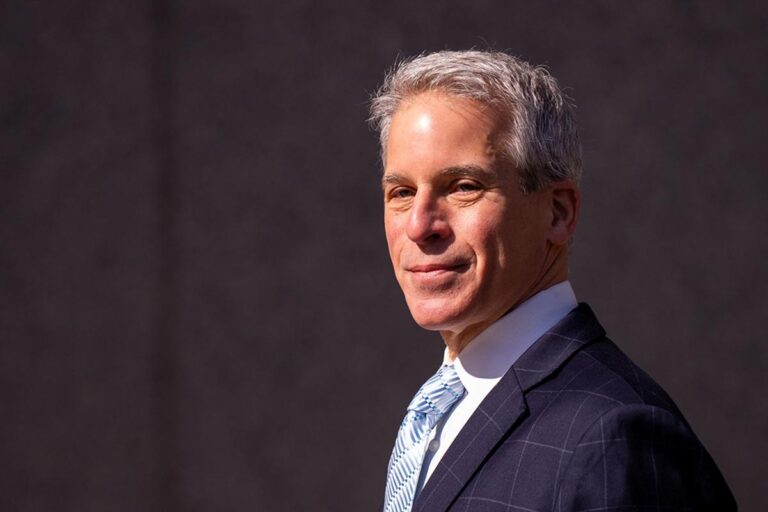
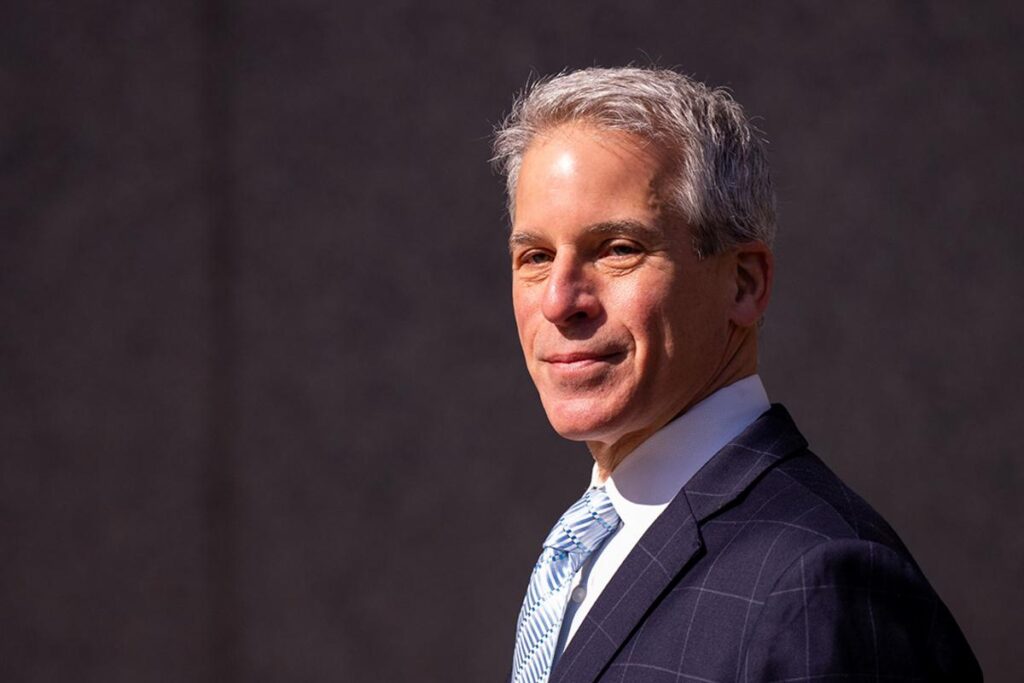
The courtroom is quiet in that way that feels loud. Fluorescent lights, wood paneling, a jury that looks nothing like the Atlanta clubs where these songs were born. On one side, the State. On the other, a rapper whose lyrics have fed families, sparked TikTok trends, and built half the economy of nightlife. Between them, there is a man in a suit, glasses on, voice steady, telling a judge: you cannot use hip-hop as a weapon.
That man is Brian Steel. And whether fans realize it or not, his fight is way bigger than one artist, one trial, or one headline. This is about whether hip-hop, specifically Black expression, is allowed to exist in America without being treated like a confession on wax.
For a lot of casual viewers, Steel is just that intense white lawyer arguing for rappers in high profile cases. For the culture, he has become something else: a symbol of how far we still have to go just to be seen as artists, not suspects. Every time a prosecutor reads rap lyrics in court with that corny voice and fake outrage, it is not just about that defendant. It is about the idea that Black creativity is criminal by default.
Hip-hop has always lived in tension with the justice system. N.W.A did not write “F**k tha Police” because everything was cool outside. Tupac did not end up in trial after trial by accident. From Snoop Dogg’s 1990s murder case to Meek Mill’s never-ending probation saga, the system has treated young Black men with mics like they are one lyric away from a life sentence. Brian Steel is stepping into a tradition of defense that has never really been given the same spotlight as the music itself.
What makes Steel stand out is how directly he is challenging the way prosecutors treat rap. This is not just technical law talk. It is cultural war. Lyrics, videos, stage names, even Instagram captions are being dragged into courtrooms as if they are FBI field reports instead of art, storytelling, and performance. The same country that watches actors play serial killers on Netflix then gives them Emmys will turn around and say a rapper describing a fictional crime is proof he actually did it.
That double standard gets clearer when you zoom out. Nobody tried to lock up Johnny Cash for singing about killing a man “just to watch him die.” Nobody treated Quentin Tarantino like a gang leader when Django turned into a bloodbath. Matter of fact, we literally covered how Jamie Foxx had to push back on Tarantino for going too far in a movie that was still protected as “art.” But when the art is Black and the beat knocks, suddenly it is discovery material.
Steel’s mission, whether he uses that word or not, is to make courts admit something hip-hop fans have always known. Rappers exaggerate. They tell stories that are bigger, wilder, darker than their real lives. They channel the energy of their blocks, their trauma, their fantasies. Sometimes they are rapping in character. Sometimes they are just chasing a hit. Turning every bar into autobiography is lazy, racist, and dangerous.
There is a reason so many prosecutors love when the defendant is a rapper. Lyrics are emotional. Jurors who do not listen to hip-hop hear certain words and shut down. They do not hear the metaphors or the structure or the history. They just hear “threat.” It is performance being weaponized, the same way hoodies and locs and tattoos have been used to sway juries before a word of real evidence gets presented.
What Brian Steel is doing is trying to force the system to grow up. To treat rap like rock, country, film, novels, stand up comedy. If an author writes a murder mystery, nobody raids their house. If a stand-up comic jokes about robbing a bank, nobody drags that clip into trial. But let a rapper describe a shooting over 808s and suddenly the DA puts Genius lyrics on a PowerPoint like it is a police report.
There is a direct line from this to how Black art is policed in other spaces. Look at how a single painting can shake institutions when it centers Black people with power and presence. That whole controversy over Kehinde Wiley’s work being removed from a US embassy for being “too woke” is part of the same discomfort with unapologetic Black expression. We broke that down when Wiley’s portrait was pulled, and the pattern is the same: when Black people tell the truth loudly, somebody in power starts reaching for the off switch.
Hip-hop has been that loud truth-teller for fifty years. When the courts come for the lyrics, they are not just going after one defendant. They are trying to control the narrative of the hood, the projects, the South, every city where rap is the diary of people the government never cared to protect. If you can punish the storyteller for the story, you make the next generation think twice before being honest on the mic.
There is also something very specific about these battles happening in places like Atlanta. The same Atlanta that gave the world trap, built billion-dollar brands off Black creativity, and turned local slang into global language, is the place where those same artists are being treated like organized crime bosses for doing what the city celebrates them for. It is the same city where you will see kids at a Lil Baby back to school event getting free haircuts and clothes while prosecutors in the next building over try to connect his peers’ rhymes to RICO charges. The disconnect is wild when you remember how Lil Baby literally poured into 4,000 Atlanta kids in one day.
Some people will say, look, if the lyrics line up with real crimes, why not use them? That question sounds logical until you flip it. If rap is the only genre being treated this way, is it really about truth, or is it about who is talking? Because if prosecutors were pulling country songs about drunk driving, rock songs about drugs, or drill-down analysis of violent action movies into evidence at the same rate, this would be a very different conversation.
Hip-hop has already been judged in the court of public opinion for decades. Blamed for crime spikes, school issues, moral panics. Parents in the 90s thought Snoop and Pac were going to destroy a whole generation. Ironically, some of those same kids grew into the adults who now turn up at concerts, put their kids on to the classics, and stream documentaries about the very artists they were told to fear. That is how culture works. What scares the establishment one decade gets inducted into the Hall of Fame the next.
What Brian Steel is trying to prevent is a new kind of generational damage. If artists know their bars can literally become exhibits, they will not just stop bragging about crimes they did not commit. They might stop telling the truth about the pain they did live through. The violence they watched. The poverty, the police harassment, the survival choices. You cannot separate hip-hop’s growth from its honesty. Water that down enough and you get safe, boring music that fills playlists but says nothing.
There is another layer here too. This fight over lyrics is happening at the same time hip-hop is more mainstream, more lucrative, and more surveilled than ever. Labels love the authenticity when it sells. Algorithms love the drama when it streams. But when the law shows up, suddenly the artist is alone at the table, and the only person between them and decades behind bars is a lawyer like Steel trying to explain to a judge what “spinning the block” actually means in context.
Fans feel this tension even if they are not lawyers. Look at how people react to trials involving rappers online. Every day, some new clip from court goes viral, broken down like a Verzuz battle. We did it with Lil Durk’s legal situation, not just to recap what happened, but to talk about what it means for his legacy. These cases are not just legal sagas, they are chapters in the story of hip-hop itself.
There is a weird irony in watching someone like Steel fight to humanize rappers to a system that happily profits off them outside the courtroom. The same state that uses songs in tourism ads, the same corporations that put rap on commercials to sell everything from cars to chicken sandwiches, will turn around and argue that the music is basically a crime scene transcript. It exposes how transactional America’s love for Black culture really is.
Still, there is power in the pushback. States like California and New York have already passed laws limiting the use of rap lyrics as evidence in court. Those laws did not appear out of thin air. They came from years of cases where defense attorneys, activists, scholars, and artists kept saying the same thing: hip-hop is not a confession booth. Steel’s work fits into that wave, putting another spotlight on judges who are still stuck in the “hip-hop is a threat” era.
For younger fans, this might be the first time seeing a lawyer become a recognizable character in the hip-hop story. We are used to hyping producers, videographers, stylists, managers. Rarely do defense attorneys get that treatment. But when the system keeps trying to turn the culture into a crime scene, legal protection becomes part of the ecosystem in the same way beats and bars are. Behind every artist who survives a high-profile case, there is usually someone in a suit who actually understood the music and the stakes.
Where this all goes next will shape what hip-hop sounds like in 5 or 10 years. If courts keep allowing lyrics to be used freely, expect more artists to sanitize their content, talk in code, or shift to safer topics. If more judges start agreeing with Steel and laws keep changing, the opposite might happen. Rappers might feel bolder telling their full truth without wondering if a metaphor today becomes a mugshot tomorrow.
Fans should pay attention, because this is about more than one trial or one lawyer going viral with a passionate argument. This is about whether Black art can exist without being cross-examined. Whether the same country that dances to our music actually respects our right to make it without being treated like suspects. Brian Steel is not from the culture in the way a rapper is, but right now, he is on the frontlines of one of hip-hop’s most important battles.
The justice system has never really known what to do with hip-hop except fear it, blame it, or try to exploit it. This moment is a chance to force it to finally understand. As more cases play out and more lawyers step up, watch for how judges start ruling on lyrics, how lawmakers respond, and how artists adjust. The future of rap is not just in the studio anymore. It is in the courtroom, too. And who wins there will decide how free the music can really be.
About The Author