By Andre Coleman, PowerVault Staff
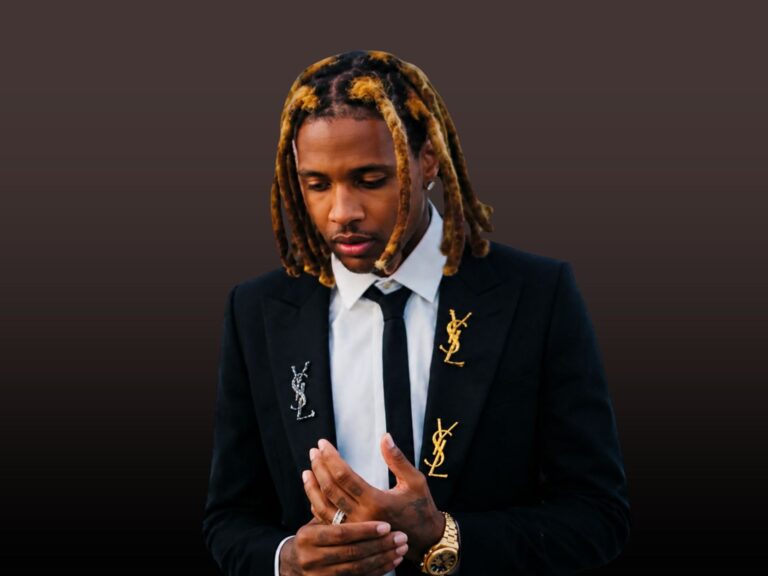
The hallway outside an Atlanta courtroom has been looking more like the BET Hip Hop Awards than a county courthouse. Big chains, designer sweats, familiar faces from music videos, all posted up under fluorescent lights and security cameras while one of Chicago’s most influential rappers fights for his freedom. This is not a video shoot. This is Lil Durk’s murder-for-hire trial, and hip-hop has been filing in like it is Sunday service.
When a rapper gets jammed up on serious charges, there is always that moment where the industry decides what to do. Keep your distance and protect the brand, or stand ten toes down and risk getting pulled into the mess. With Durk, that line has been clear. People are showing up. From fellow artists to industry figures, the support has been loud in a place that usually makes Black folks feel small and alone.
The case itself is heavy. Prosecutors say Durk was involved in a murder-for-hire plot, the type of accusation that feeds right into every stereotype the system loves about young Black men who rap about the streets. The defense is painting a very different picture, of an artist who left the trenches behind and became a business, a provider, a father, a brand. Somewhere in the middle of those competing stories is a jury trying to decide who to believe, while the culture watches like it is another Verzuz, except the stakes are decades behind bars.
What makes this trial hit different is not just the charges. It is the parade of familiar hip-hop faces choosing to walk into a courthouse most of us try to avoid at all costs. Rappers and executives taking seats on those hard wooden benches, quietly letting the system know this man is not disposable. In a world where everyone posts “free the guys” from a safe distance, actually showing up in person is a whole other level of cosign.
Hip-hop has always had a complicated relationship with the courtroom. From Tupac’s trials in the 90s to Lil Kim standing on the steps in that iconic fur, to the way the industry rallied around Meek Mill when a judge tried to turn probation into a life sentence, these moments become culture checkpoints. They force fans to ask real questions about crime, punishment, loyalty and what “keeping it real” actually costs when lawyers get involved.
Lil Durk’s trial is also landing at a time when people are already restless about how the system treats Black lives, whether it is a chart-topping rapper or just somebody minding their business at work or in their own neighborhood. The same energy that had folks heated over that Mississippi police chief caught sending racist texts is floating over this case too. Different scale, same feeling. The rules hit us harder. The consequences stick longer.
For Durk, this is not just a legal battle. It is a referendum on a whole era of drill rap growing up. This is someone who came out of O-Block, watched too many friends die, buried family, survived beefs, label drama, label switches and public heartbreak, and then turned into a legitimate superstar. Album rollouts, festival headlining sets, collabs with the biggest names in the game. All of that is now being weighed against old footage, wiretaps, text messages and witnesses with their own motives.
Watching so many artists sit in court next to him, what comes to mind is how rare that type of physical solidarity used to be. Back when Shyne took that case in the Diddy nightclub shooting, or when Remy Ma got sent up, you did not see half the game lining the hallways. There were a few who pulled up, but brands and labels largely kept things quiet. The rise of social media changed that. Fans expect a stance now. Silence reads like betrayal, or at least like PR strategy.
That does not mean every artist in that courthouse believes Durk is innocent of every accusation. What it does mean is they understand what happens when a Black artist is put on trial and their lyrics, their image, their tattoos and follows get treated like evidence of a crime. This is not hypothetical. Prosecutors have tried to use rap lyrics against Young Thug and YSL, against Tay-K, Bobby Shmurda, even back to C-Murder. The courtroom becomes another A&R, except this one only hears “drill” and “demon” and decides that is all you can possibly be.
Hip-hop showing up for Durk is as much about fighting that narrative as it is about him personally. It is a signal that the culture is tired of seeing our art weaponized. Tired of watching the same system that shrugs when an ICE agent leaves a gun in an airport bathroom, like in that wild story out of San Francisco that PowerVault broke down in detail in this piece, suddenly act hyper-disciplined and aggressive when the defendant is a Black rapper with a past.
The other layer here is authenticity. Durk’s whole appeal has been that “voice of the trenches” energy. Fans believe him because he never pretended he came from suburbia. The music has always lived in that tension between survival stories and success flexes. That same authenticity that made the world fall in love with his pain is now being used as a weapon. The line between “documenting the struggle” and “confessing on record” has never been thinner, especially when prosecutors are hungry for headlines.
There is a real conversation to be had about how long hip-hop is supposed to stay in proximity to the streets it came from. Watching this trial, the question keeps circling: how much of that old life can you bring with you into fame before it tries to pull you back down? The culture has seen too many versions of this story. Chief Keef essentially got exiled to the suburbs. Gucci Mane had to reinvent himself after prison. Boosie keeps catching new charges and traffic stops. YoungBoy spends more time fighting cases than promoting records. The system knows if it can keep these men busy with lawyers, it can slow down the whole machine they built.
Durk’s case also exposes the industry’s selective morality. Labels love the numbers that come from trauma, drill, real beef tension. They love the streaming spikes when somebody disses an opp on wax or posts a cryptic IG Story. But as soon as the courthouse becomes the new stage, executives vanish. The same suits who wanted to be in every video suddenly cannot find the time to sit in the gallery. That is why the presence of actual artists matters so much. It is rappers, not corporations, who are silently telling the court, “He is not just a case number, this is family.”
Fans are not blind either. Black audiences have been rethinking what loyalty looks like in real time. The way people side-eyed Jonathan Majors trying to stage a comeback so quickly after his conviction, which PowerVault unpacked in this breakdown of his Hollywood return, is the same critical lens being used here, just in a different lane. Folks want accountability. They also want fairness. Those two things rarely show up in the same courtroom.
For the younger fans who grew up on Durk as a superstar, not a local Chicago name, this trial is a tough reminder that rap success does not buy full protection. It buys better lawyers, better suits, better media spin. It does not erase that gut feeling walking past metal detectors, or the reality that one jury can undo everything you built since your first mixtape. Older heads have seen this movie before, from Death Row to G-Unit, but Gen Z is watching it in real time with a rapper who was on their playlists during high school.
The emotional weight on Durk’s shoulders is not just his own. He is a father, a provider for a huge circle of people, and a symbol for a generation of Chicago artists who followed his blueprint out of dangerous neighborhoods and into studios. If he beats this case, it will feel like a win for all of them, proof that you can really transition without your past choking you. If he loses, it becomes another cautionary tale parents throw into arguments about why their kids should not chase the rap dream at all.
There is also something powerful about the visual of Black men in luxury fits walking through that courthouse door voluntarily, not in cuffs. It flips the script a little. A place meant to intimidate and control suddenly has to deal with the fact these are millionaires, bosses, people who can walk back to sprinter vans and mansions when court adjourns. That does not erase the imbalance of power, but it does send a subtle message that the culture is not scared to look the system in the face.
Outside the courtroom, fans are processing this saga through the same channels everything gets processed now. Memes, tweets, TikToks, conspiracies, group chats. Some are riding for Durk no matter what. Others are keeping a cautious distance, not wanting to romanticize street stories that leave real people dead or hurt. That split is healthy, honestly. Hip-hop is finally old enough to have multiple generations debating what responsibility looks like for artists who grew up in war zones but now have real influence and power.
Meanwhile, Durk’s music keeps playing. Songs about survival, loyalty, betrayal and paranoia hit different when you know he is waking up in a suit instead of Amiri jeans, trying to look composed while his future is dissected line by line. The same fans who argue about whether Sexyy Red is falling off or just warming up, like in our deep dive on her run, are now refreshing their feeds for courtroom updates. That is the strange duality of this moment. The culture is entertainment and survival story at the same time, all on the same timeline.
As this trial moves forward, there are a few things to watch. How much of Durk’s lyrics and image the prosecution leans on. Which artists keep showing up consistently instead of just once for a photo. Whether the judge allows the courtroom to become a stage for moralizing about rap, or keeps the focus on actual evidence. And, just as importantly, what Durk does with his platform if he walks out of that building free. A not guilty verdict would not just be a personal win. It would be a loud signal to every young kid in a hoodie with a mic that you can grow, you can change, and your art does not have to be your indictment.
Whatever the verdict, this trial is already part of hip-hop history. Another chapter in the long story of a culture that was never supposed to make it out the projects suddenly being rich enough, loud enough and powerful enough to pack out courtrooms just by showing up. The system is watching. The streets are watching. The brands are definitely watching. And once the jury speaks, we will see if this was just another legal headline, or the moment Lil Durk finally closed the door on the life that tried to follow him into every room, even the one where his future is being decided.
About The Author