By Renee Fontaine, PowerVault Staff
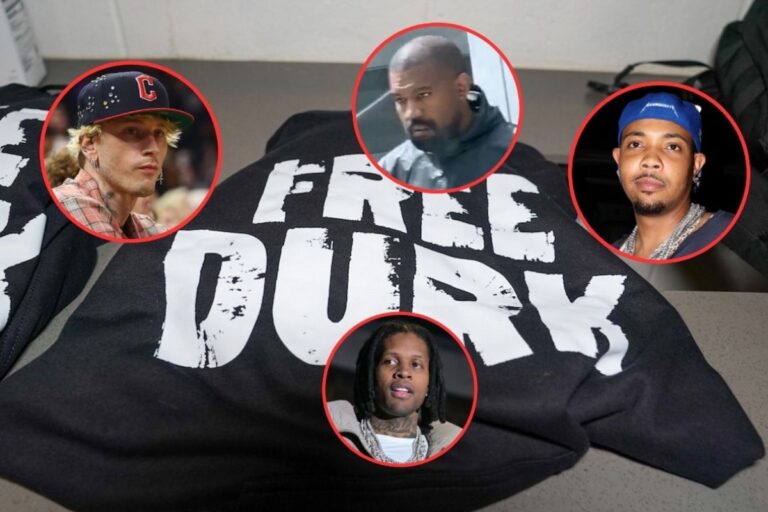
The courtroom is not supposed to feel like a festival. No lights. No stage. No bass shaking the floor. Just cold air, wooden benches, and the sound of people’s lives getting decided in real time. So when Ye quietly walked into Lil Durk’s murder-for-hire trial, it felt less like a celebrity sighting and more like a glitch in the simulation. Hip-hop’s most polarizing genius pulling up to one of the genre’s most controversial court battles? That is not a coincidence. That is a statement.
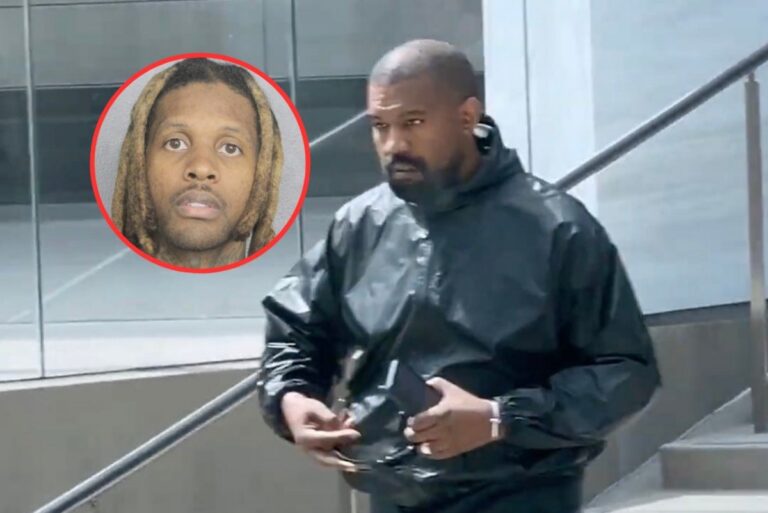
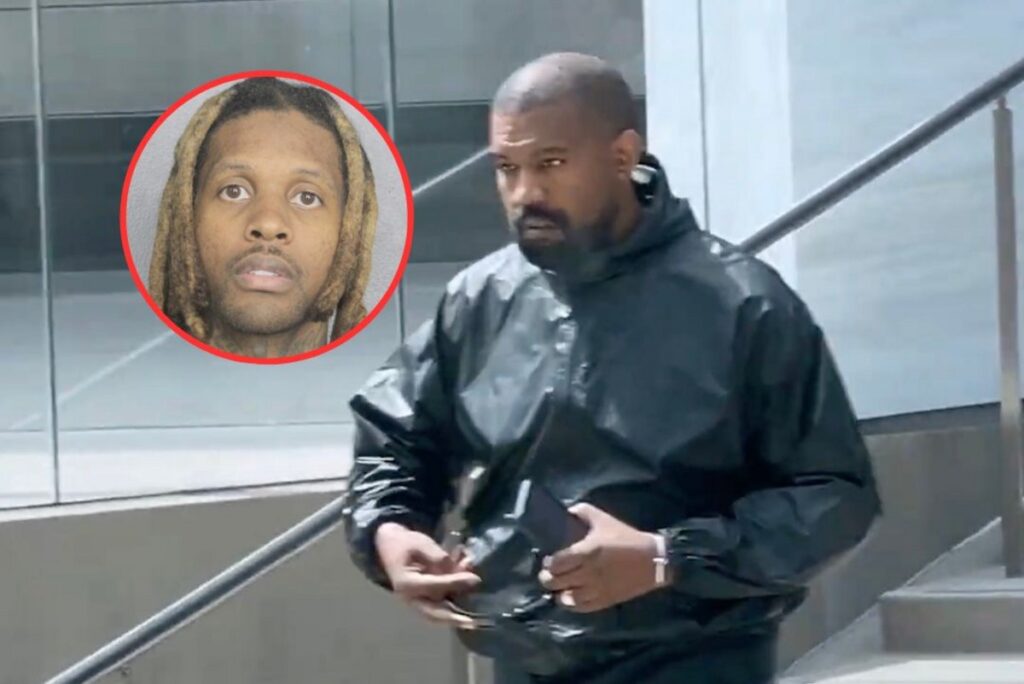
According to footage circulating online, Kanye West slipped into the Broward County courtroom during Durk’s trial, a case already packed with drama, street politics, and the kind of legal danger that has hung over a lot of rappers’ heads since the “hip-hop police” days. No promo. No press conference. No stylized fit reveal. Just Ye, in court, while another Black artist fights for his freedom.
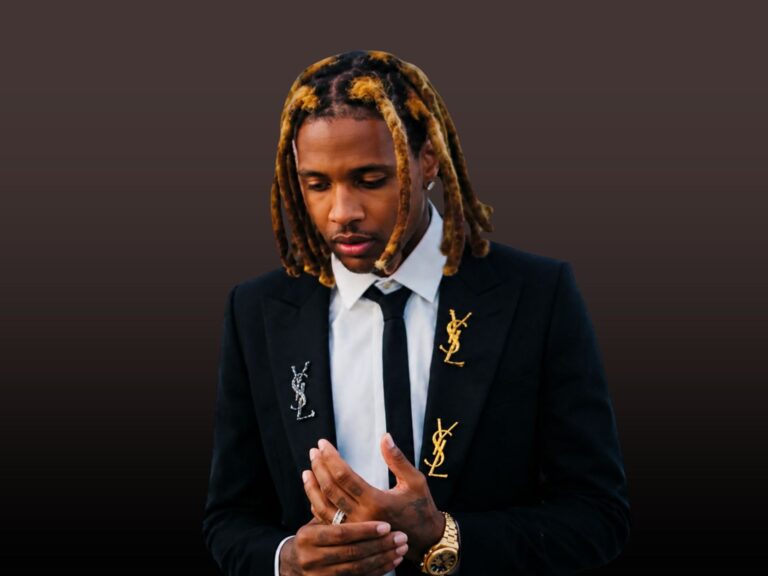
For anybody who has been watching this trial closely, Ye’s appearance is not just random celebrity curiosity. Lil Durk is not some fringe artist chasing clout off a court case. He is one of the architects of modern street rap, a drill pioneer who turned pain into platinum and became a quiet center of gravity in Chicago and beyond. A murder-for-hire trial with Durk at the center already had the culture’s attention. Kanye pulling up in person turned it into a different kind of moment, one that forces a question that hip-hop has had to ask itself every few years: What does real solidarity look like when the system has its hands around a rapper’s neck?
The optics hit heavy. On one side, the state, trying to paint another rapper as a walking criminal enterprise, using lyrics, image, and rumor to turn an artist into a stereotype with a booking number. On the other, a courtroom row filled with people from the same industry that once watched Ye storm stages, rewrite sound, and then spiral in front of the world. A lot of those same folks distanced themselves when the headlines got too loud. So seeing Kanye sit in silence for someone else’s fight, instead of standing on a mic for his own chaos, says more than any social media rant ever could.
Hip-hop has always had this uncomfortable relationship with the courtroom. From Tupac in that suit to Lil Wayne in Manhattan to Meek Mill back and forth with judges who treated him like a personal project, the legal system loves to make an example out of rappers. The difference now is that cameras, blogs, and social feeds turn every hearing into content. Trials become storylines. Evidence becomes memes. And the line between real life and entertainment gets so blurry that people forget there are families in those pews, and prison cells waiting on the other side of the verdict.
Ye pulling up slices right through that. It reminds everyone that, under the gossip and thinkpieces, this is about a Black man in front of a system that historically does not believe our lives have context. Prosecutors do not care about the nuance of drill storytelling, the difference between persona and person, or the survival logic that shapes someone like Durk’s world. They care about wins, headlines, and careers. The same way we saw with the RICO case hanging over Young Thug and YSL, there is a pattern: lyrics and lifestyle getting weaponized as if art is a confession tape.
There is another layer here too. Hip-hop is old enough now that there are generational hierarchies. You have OGs, legends, current chart kings, and kids who grew up watching all of them. Kanye is a bridge between eras, the kid from Chicago who idolized Jay-Z and then became the blueprint for a whole class of melodic, emotionally raw, genre-bending artists. Durk is directly in that lineage, even if the sound is different. Seeing Ye in that courtroom is like seeing a controversial uncle show up to the family cookout anyway, knowing some people do not rock with him, but recognizing the moment is bigger than his own reputation.
That is where the conversation gets messy. Because this is not just “Ye supports Durk.” It is “Ye, the same man who went full chaos with Trump hats and public meltdowns, is now sitting quietly in a space where the state is trying to cage another Black man.” The cognitive dissonance is real. The culture can hold both: deep frustration with Ye’s past choices and a real acknowledgment that showing up like this matters.
Black public life is full of this kind of contradiction. Folks still argue about how to treat problematic heroes, whether it is athletes, comedians, or the politicians who swear they care about us until it is time to actually protect us. You see that same tension when people watch someone like Trump get clowned for walking weird off Air Force One while still holding terrifying power over policy. The culture can laugh and drag and critique at the same time, just like we broke down that whole “what’s wrong with his walk” moment without forgetting the harm attached to his name.
Ye’s presence at Durk’s trial lives in that same uncomfortable pocket. People were online debating: Is this support? Is this clout? Is this him trying to rehabilitate his image? Or is this simply a Chicago legend showing love to a Chicago son whose freedom is on the line? There is no clean answer. But there is a reality that cannot be ignored: courts respond to visibility. Judges feel it. Prosecutors feel it. When the world is watching, the system moves differently. Not always better, but more carefully. And if a courtroom that would usually treat a rapper like disposable spectacle suddenly has to look out and see Kanye West sitting there, that changes the energy in the room.
Hip-hop has always been loud about the injustices outside the courtroom and strangely quiet when it is time to stand inside those four walls with each other. Rappers will do a bar about the prison industrial complex every other track, then go ghost when a peer is actually fighting a case. The exceptions stand out. Jay-Z putting up money for legal teams. Meek turning his experience into reform work. Artists who show up in person, not just on the timeline. That is the lane Ye briefly stepped into by walking through that courthouse door.
The uncomfortable thing is that fans are tired of feeling like everything is a stunt. We are in a timeline where people fake political takes for clicks, stage outrage for streams, and turn real trauma into punchlines. Just look at how quickly a serious court case or tragedy can become a trending joke, the same way Druski mocking “Karens” becomes entertainment while real policy that harms Black people passes quietly in the background. That same mix of comedy, chaos, and danger hangs over any major hip-hop trial now. So when Ye appears, the skepticism is baked in. Folks want to know if this is genuine or performative.
What cannot get lost in that debate is the very real pattern of how Black defendants, especially rappers, get treated. Look at how soft the tone gets when certain white college kids are caught up in drugs, like the Penn State coke bust that barely scratched the surface of the school’s reputation. Then line that up next to the way prosecutors talk about rappers as “menaces” and “gang leaders” to justify stacking charges and inflating sentences. That double standard is exactly why stories like that college coke case feel so different from the way a Durk or a Thug gets framed.
This is also about how hip-hop tells its own story. For decades, outside media has loved the “rapper on trial” narrative. Mugshots. Dramatic sketches. Courtroom quotes stripped of context. But hip-hop media is grown now. Outlets built for the culture can talk about Lil Durk’s trial and Ye’s presence as more than tabloid fodder. This is about the long arc of how Black creativity gets criminalized and how artists respond to that pressure. When one of the most influential artists of the last 20 years chooses to stand physically in that space, it becomes part of the story of resistance, contradiction and all.
There is a spiritual angle too, if people are being honest. Ye has always wrestled with faith, guilt, ego, and redemption in public. Durk has talked about loss and survival in a way that feels like street psalms. A courtroom is the crossroads where all of that hits reality. No beat. No Auto-Tune. Just truth, half-truth, and whatever the jury decides to believe. Ye showing up in that room is like an unintended reminder that for all the ego in this culture, nobody is bigger than the system they are standing in front of.
Historically, these kinds of appearances leave a mark. Think about the photos of Pac in court, flanked by Suge and the Death Row machine, or the way the whole South watched T.I. navigate federal weapons charges then pivot his story into a different kind of hustle, something we are still tracking as he moves toward retirement and reinvention in other lanes, like in his so-called final album era. Those images last because they capture more than a case. They capture who had your back when the lights were fluorescent instead of stage-bright.
For Durk, this trial will follow his name forever, no matter how it ends. For Ye, this surprise appearance slides into a long, messy, complicated timeline where every move gets dissected. For hip-hop, it is another reminder that the genre is not separate from the criminal legal system, it is entangled with it. Labels profit from that danger in the music, then often vanish when the danger shows up in the courtroom. Fans love the authenticity until it gets too real. Suddenly it is quiet.
What happens next matters more than the viral clips. Will other artists keep showing up for each other in courtrooms, not just on tribute tracks and Instagram captions. Will the industry finally stop treating legal battles as marketing and start seriously backing legal defense, policy change, and protection for the artists they rely on. Will fans learn to tell the difference between a spectacle and a man facing decades behind bars.
Ye appearing in that trial is not going to fix the system. It is not going to erase his past missteps or magically rewrite Durk’s charges. But it does crack open a bigger conversation about what accountability and solidarity look like in hip-hop right now. The culture will be watching how this trial ends, who stands next to Durk when the verdict is read, and whether this moment becomes a turning point or just another headline that fades into the scroll. Either way, the image of Kanye West sitting in that Broward County courtroom is going to live in hip-hop history, a snapshot of an era where the music, the courts, and the culture are colliding in ways nobody can afford to ignore.
About The Author