By Malik Carter, PowerVault Staff
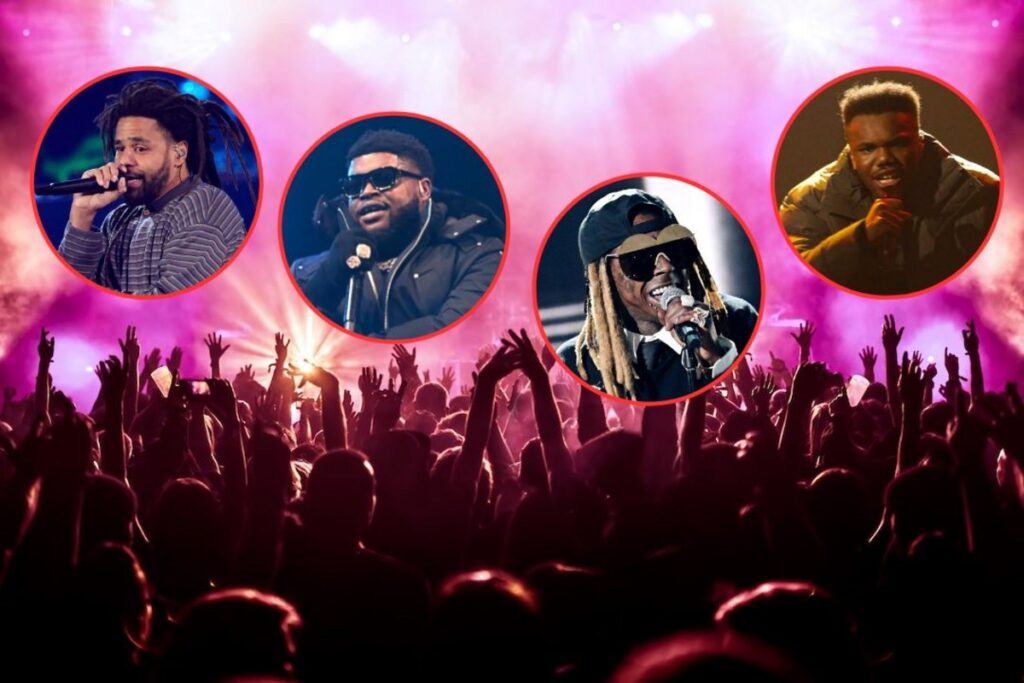
As we look ahead to 2026, a wave of hip-hop artists is gearing up to take the stage, promising an exciting era for fans and musicians alike. From legends to rising stars, the concert calendar is brimming with the promise of unforgettable performances. This surge in touring activity isn’t just about the music; it speaks volumes about the culture and its resilience in the face of challenges.
To understand why 2026 is shaping up to be a pivotal year for hip-hop tours, we must recognize the backdrop of the last few years. The pandemic forced artists off the road and silenced stages that once echoed with the beats and rhymes that define the genre. As artists struggled with the isolation and loss of income, a renewed hunger for live experiences simmered beneath the surface. Now, as the world opens back up, both fans and rappers are eager to reclaim that lost connection. The energy is palpable, and the anticipation is real. Hip-hop is not just a genre but a lifeline that brings people together, and as we emerge from the shadows of uncertainty, the performances of 2026 are set to reflect that joy and resilience.
What we are witnessing is more than just a series of concerts; it is a cultural renaissance. The lineup of artists reflects the diverse landscape of hip-hop today, showcasing a blend of established icons and fresh voices. This duality is crucial. The legends have paved the way, breaking barriers and shattering stereotypes, while the newcomers are infusing the genre with innovative sounds and perspectives. It’s a conversation across generations, a passing of the torch that highlights hip-hop’s unique ability to evolve while staying rooted in its origins. Fans are not just buying tickets; they are investing in a cultural movement that empowers them.
Looking back, similar waves have marked the evolution of hip-hop in the past. The tours of the late ’90s and early 2000s brought about a sense of unity and celebration within the community. Artists like Jay-Z and Missy Elliott dominated the scene then, much like today’s frontrunners. Each era has its defining moments, and the current resurgence parallels the excitement that surrounded the genre’s earlier golden years. It serves as a reminder that music has often been a reflection of societal shifts, and now, as we face renewed challenges, hip-hop once again steps to the forefront as a voice for the people.
As we look toward 2026, we should keep our eyes peeled for how this tour boom will shape the industry. Will it lead to new collaborations that transcend the genre? Will hip-hop artists continue to leverage their platforms for social change? What stories will emerge from the stages that have long been silenced? The stage is set for a transformative experience, one that could redefine not just the music industry but the very fabric of our communities. The future of hip-hop is bright, and as we prepare to witness this new chapter, it’s clear that the culture is resilient, dynamic, and ready to roar.
About The Author