By Jasmine Reed, PowerVault Staff
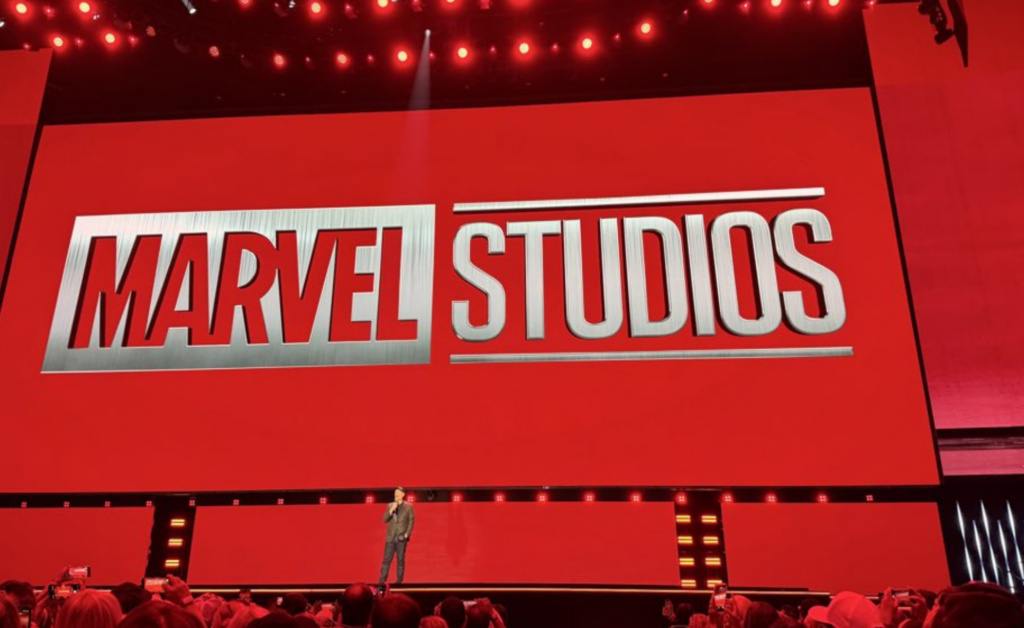
The Marvel hype machine might be corporate, but the way fans reacted at D23 sounded like Summer Jam when the surprise guest walks out. Whole room screaming, phones up, people trying to process ten different reveals at once. That same energy that used to be reserved for album drops and mixtape leaks now belongs to trailers, title cards, and one logo of some scratched-up Adamantium claws.
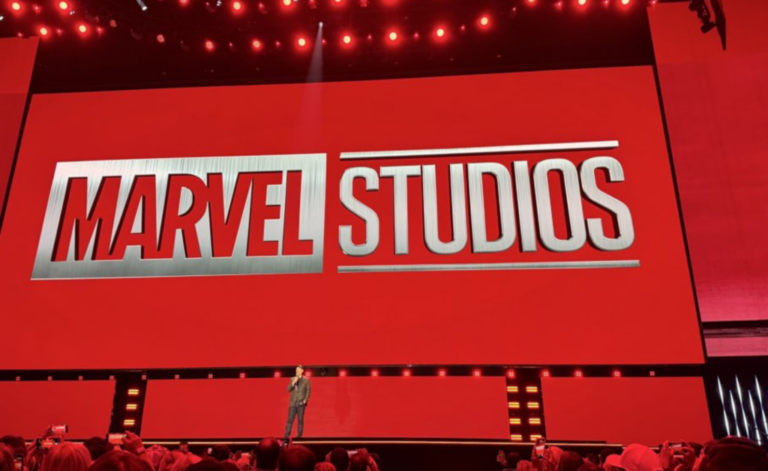
Marvel Studios pulled up to D23 and made it clear they are not trying to fade quietly into the background. VisionQuest. Avengers: Doomsday. A new X-Men film. Marvel’s Wolverine. Each one is positioned like a tentpole, not just for superhero fans, but for the whole ecosystem of Black nerds, cosplayers, TikTok breakdown pages, and group chats that treat the MCU like it is the NBA playoffs.
For anybody who checked out after Endgame or got exhausted by multiverse homework, this D23 showcase felt like Marvel begging you to come back to the party. The question is, will Black audiences answer that call the same way we did for Black Panther and the early Infinity Saga, or has the vibe shifted too much to get that magic back?
Let’s start with VisionQuest. Paul Bettany took the stage because Marvel knows fans still have unresolved feelings about that white Vision who flew off mid-crisis in WandaVision and never called back. VisionQuest sounds like Marvel finally dealing with that unfinished story: a synthezoid trying to rebuild his identity after his memories get restored but his emotions are scrambled. On the surface, that is just a cool sci fi setup. Underneath, it feels like Marvel tapping into something way more human, especially for Black viewers who live in a country constantly trying to rewrite our history while expecting us to perform normalcy.
Watching a character literally fight for his memories, his soul, his right to feel, lines up with a lot of what is happening in real life. Whole systems are out here trying to ban books, sanitize slavery, and pretend racism is just “in the past,” while folks are still dealing with trauma passed down like family heirlooms. The same country where a Mississippi police chief can get caught sending racist texts and some people still act shocked like this is brand new. VisionQuest has the potential to be a superhero meditation on memory, grief, and gaslighting.
Then there is Avengers: Doomsday, the kind of title that sounds like Marvel finally admitting they need stakes again. Fans have been complaining that the last phase felt like side quests, cameos, and vibes, with no central threat tying it together. A movie called Doomsday is Marvel promising a catastrophe big enough to make even the most jaded fans lock back in. That name also hints that we are shifting from the celebratory energy of Endgame to something darker, closer to how people actually feel in 2024 when climate disasters, elections, and AI layoffs all feel like they are happening at once.
What really matters is who anchors that story. Black audiences do not just want explosions. We want to know if Sam Wilson’s Captain America is really going to be treated like the leader of the Avengers, not a side character in his own franchise. We want to know if Monica Rambeau is getting respect, or if she will be stuck in the “strong Black woman who sacrifices herself” lane. We want to know if the next generation of heroes looks like the kids who are actually buying the tickets.
The X-Men reveal might be the most emotionally loaded of all these announcements. For a lot of Black nerds, the X-Men were the first time the metaphor was not even really a metaphor. Mutants being hated and feared for being born different, policed for their bodies, told to register with the government, targeted by sentinels that act like supercharged stop and frisk. Anyone who grew up Black in America or Caribbean in Europe or African in a mostly white school felt that storyline in their chest.
So when Marvel says a new X-Men film is on the way, it is not just “oh cool, Cyclops and Wolverine again.” This is a chance to finally center that civil rights DNA for real. The old Fox movies flirted with it, but never leaned all the way in. Now, in an era where protests, surveillance, and social media receipts are part of daily life, the X-Men should feel closer to a story about Black and Brown struggle than ever. If Marvel has sense, Storm will not just be background weather FX, she will be a political presence, a goddess, a leader. The culture has receipts now. People saw how Black Panther changed everything. Anything less than that level of care with X-Men representation is going to feel lazy.
Marvel’s Wolverine also got fans buzzing because Wolverine is basically the gritty mixtape rapper of the Marvel world. Short, angry, full of trauma, healing from wounds that never quite close. This character has always felt like DMX in a leather jacket, growling his way through life. A solo Wolverine focus could be the studio’s shot at getting back to raw, character-centered storytelling instead of constant crossover events.
What gets interesting is how Wolverine interacts with the wider MCU tone. Marvel got famous for quippy, family-friendly banter. Wolverine is knife fights, cigarettes, and regret. If they lean into the more mature side of the character, that is a sign Marvel finally understands that audiences, especially Black millennials and Gen Z, have grown up. The same people who were kids watching Hugh Jackman now have bills, kids, and news notifications about ICE agents leaving guns in airports like in that wild story about an ICE agent leaving a gun in a San Francisco airport bathroom. People are living in a world that feels dangerous and unstable. A cleaned up Wolverine is not going to hit the same.
Marvel is also clearly clocking how fandom culture has changed. The way people dissect trailers now is closer to how rap fans break down subliminals and double entendres in a beef. Think about how folks paused every frame of that Kendrick vs Drake saga, or how fans are analyzing whether Sexyy Red is falling off or just getting started. That same forensic energy is coming for VisionQuest and Doomsday. Every costume choice, every casting rumor, every X-Men lineup will get put under a microscope.
That is why representation cannot just be sprinkling Black faces into the background. Black fans are paying attention to who gets character arcs, who gets jokes, who gets depth, who gets killed off. Marvel learned that the right story at the right time, like Black Panther, turns into a cultural event that moves fashion, music, and even travel. Now there are Black-owned brands building whole aesthetics around that global Black luxury vibe, like the designers highlighted in pieces about the best Caribbean bag brands in 2024. This is bigger than cosplay.
There is a real parallel between where Marvel is right now and where hip-hop found itself in the mid 2010s. After the early 2000s dominance, things got bloated. Too many half-hearted projects, too much chasing trends. Then out of nowhere you get these lightning bolt moments that remind everybody why they cared in the first place. A surprise album drop. A battle that has the whole culture tuned in. That is the lane Marvel is trying to get back to with this D23 slate, trying to convince people that the brand still stands for must-watch events.
The risk is that the audience has changed in the meantime. Black viewers especially are not starved for representation like before. There are more options, more international shows, more indie Black sci fi, more streaming projects that speak directly to us. A series like The Fall And Rise Of Reggie Dinkins can come out and feel more like our actual families than most billion dollar franchises. Marvel has to compete not just with DC or Star Wars, but with grounded, intimate stories that make people feel seen without a single CGI explosion.
Another factor is trust. The Jonathan Majors situation exposed how fragile a franchise plan can be when you hitch too much to one rising star, especially a Black one. Fans watching D23 might be excited about new titles, but they are also side-eyeing the industry’s pattern of hyping up Black talent, then distancing itself when controversy hits, while still leaning on Black culture to sell tickets. That tension is not going away, no matter how many Phase-whatever graphics they roll out.
Still, when a room full of fans screams at an X-Men logo or loses it for Wolverine’s claws, you are watching a shared language in real time. Comic book culture and hip-hop culture grew up together, both starting as something mainstream America looked down on, both becoming massive global forces built on the backs of obsessive fans who studied every line, every panel, every sample. Seeing Marvel try to reset with VisionQuest, Avengers: Doomsday, X-Men, and Wolverine feels like watching a legacy rapper rework the setlist, cut the filler, and promise, “Alright, we heard y’all. Let’s get back to the classics.”
What happens next is on Marvel, but also on us. If these projects bring real stakes, real politics, and real care for Black characters, the culture will show up and show out like it did for Wakanda. If they roll out surface level diversity and messy plotting, people will shrug and go watch something that respects their time and intelligence. Keep an eye on the casting announcements, the writers’ rooms, the directors they tap for VisionQuest and X-Men especially. Those choices will tell you more than any trailer about whether Marvel is serious about this new era or just slapping dramatic titles on the same old formula. Either way, the next few years of superhero talk are about to get loud again, and Black fans are not planning to sit quietly in the back of that conversation.
About The Author