By Renee Fontaine, PowerVault Staff
The first time J Dilla’s drums really hit your chest, the world kind of splits in two. Life before you heard that swing, and life after. Same with D’Angelo’s voice. There is R&B, and then there is that church-soaked, devil-in-the-eyes, incense-in-the-studio thing he does that makes time move different.
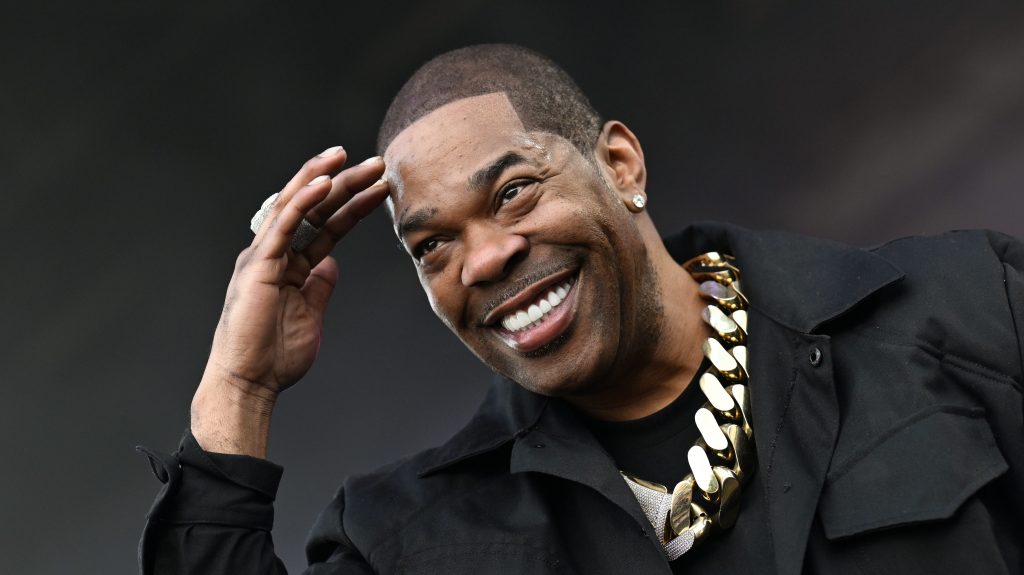
Now picture both of those spirits pulled out a hard drive from 20 years ago, handed to Busta Rhymes in 2024, and told, “Go crazy.” That is the energy around Busta’s new album and the unearthed collaboration between J Dilla and D’Angelo that has quietly become one of the most important drops of the year for real heads.
Busta is building a full project, “Dillagence II,” from a stash of nearly 300 unheard Dilla beats. Sitting in the middle of it is “This Woman,” a song born from a long-buried session Dilla did with D’Angelo back when sidekicks were still flex and nobody was saying “content strategy” in a studio. This is not nostalgia bait. This is unfinished Black genius getting a second chance to speak.
For anybody who lived through that late 90s and early 2000s sweet spot, the names alone feel like a cheat code. Dilla, the quiet Detroit architect whose fingerprints live on everything from Slum Village to Common’s “Like Water for Chocolate.” D’Angelo, the mysterious Virginia preacher’s kid who broke R&B and then disappeared into the shadows for over a decade. Busta, the animated Brooklyn chaos merchant who somehow always found a way to land on the weirdest, hardest beats in the room and make them feel like radio.
The idea of these three intersecting in 2024 feels wild, but the roots go deep. Busta and Dilla have history. Dilla laced Busta on cuts like “Genesis” and “Make It Hurt,” and there are stories of Busta just camping out in sessions, grabbing whatever magic Dilla left laying around. This is not some random posthumous flip by a stranger. This is one of Dilla’s actual collaborators acting like a curator, protector and co-conspirator.
That part matters, because hip hop’s relationship with posthumous releases has always been complicated. When Dilla passed in 2006, the culture was still reeling from how Biggie and Pac’s vaults got exploited. Some of those albums slapped. Some felt like label scavenger hunts, with whoever was hot at the moment duct-taped onto old verses. Fans clock that energy immediately. You can tell when it is legacy, and when it is leftovers.
“Dillagence II” feels closer to legacy. The project is being built from Dilla’s unreleased beats, not AI stems, not recycled loops from a hit, but the type of raw sessions that made producers and rappers lose their minds back in the day. Nearly 300 unheard beats is not a folder, it is an archive. That is somebody’s life’s work that never made it to daylight.
The D’Angelo piece is what takes it from exciting to sacred. D’Angelo did not flood the world with music even when he was active. Every session from that man feels rare. Fans waited 14 years between “Voodoo” and “Black Messiah” like it was a Marvel phase. To find out there was a D’Angelo and Dilla linkup sitting unreleased for around 20 years is like discovering there was a secret chapter to Soulquarians history tucked under a mattress at Electric Lady.
What makes this more than a cool history fact is the timing. Hip hop right now lives in a weird split screen. On one side, short attention span, TikTok hooks, everything optimized for 15 seconds. On the other, a quiet but very real wave of people going back to musicianship, live instruments, deep crate energy. You can hear it in younger artists who refuse to just rap over YouTube type beats and instead study Dilla’s off-kilter swing like homework.
Busta planting a Dilla and D’Angelo record in the middle of that landscape is almost like a reminder: this is what it sounds like when Black artists make music without chasing the algorithm. It lines up with the same energy that has fans defending artists like Sexyy Red not just as memes, but as real voices of a moment, the way we broke down in our piece about whether Sexyy Red is falling off or just getting started. Different lanes, same core argument. Let Black creators define themselves on their own terms.
There is also something powerful about Busta being the one shepherding this. In an industry obsessed with youth, he is a 90s legend who never really left, just shapeshifted. Think about how many eras he has survived: Native Tongues, jiggy era, shiny suit rap, ringtone rap, blog era, the streaming flood. Busta always pops back up with some new chaos, some new pocket, some new verse that reminds you why he is on everybody’s all-time “if we need a feature killer” list.
In a way, “Dillagence II” is Busta fighting for the right kind of nostalgia. Not the corny reboot energy that turns everything into a franchise, but the type that says, “Remember when this was art first?” Hip hop has always had a weird relationship with its elders. Rock gets museums. Country gets lifetime Opry residencies. Rappers get think pieces about whether they are “too old” to drop at 40, while the kids who grew up on them are still outside, still listening, still hungry for grown music.
This project sits in that same lane as what we are seeing with artists like Young M.A, who is openly navigating faith, sobriety and health in public and refusing to let the industry write her final chapter just because she hit a rough stretch. That is the same reason so many of y’all locked in for our breakdown on Young M.A’s next chapter. Fans do not just care about the product. They care about who is telling the story.
Hip hop is old enough now that the archives are starting to look like jazz. There are lost tapes, unfinished sessions, rough demos, ghost collabs that never cleared. The question is who gets to touch them. Who has enough respect for the culture to not treat it like a content dump. Busta working with Dilla’s beats and unlocking a D’Angelo moment feels less like a cash grab and more like when Blue Note or Motown digs in their vaults and gives a full, thoughtful release with context and care.
And context truly matters here. J Dilla is not just “a producer” to this music. Dilla is the reason your favorite producer’s drums swing the way they do. The reason lo-fi hip hop even exists as a vibe. The reason “drunk drums” is a compliment. He made offbeat feel more human than metronome-perfect snares ever could. When he died at 32, it felt like a robbery. Like somebody snatched a future that was supposed to be twice as long.
Posthumous Dilla projects have always walked a tightrope. Some hit like “The Shining,” which he was working on up until his last days. Some felt more scattered, with random flips of old samples he probably never meant to be released. Pulling from nearly 300 unheard beats for “Dillagence II” suggests there is an actual vision here, not just a grab bag. The very idea of a Dilla and D’Angelo cut called “This Woman” already sounds like incense smoke and heartbreak, the kind of song that plays in a dim bar at 1:30 a.m. while somebody texts the ex they should leave alone.
For D’Angelo fans, this is also fuel for the eternal question: where is the next album? Every time his name pops up, the timeline starts buzzing with rumors. A collab like this resurfacing from 20 years ago reminds people how long he has been tapping in with the greats and how private he keeps his process. He is the opposite of the oversharing, livestream-your-studio generation. No shade. Just a different era. When he appears, it feels like an event.
Moments like this also highlight how much Black art still gets treated like a side quest by the mainstream until it is convenient. Folks will line up to praise Dilla’s influence in documentaries, but when Black communities demand basic respect or accountability in real life, those same voices get quiet. The disconnect is the same kind of whiplash we saw watching people act shocked over that Mississippi police chief’s racist texts like that is not baked into the system.
So when our legends’ work finally gets treated like the precious resource it is, it hits deeper than just music nerd joy. It feels like a small correction in a world that usually does the opposite.
There is another layer here too. Young artists right now are pulling influence from everywhere. A kid might grow up on Playboi Carti, Summer Walker, YouTube pluggnb beats and Dilla remix playlists all at once. Hearing new, officially released Dilla production in 2024 is going to send some of them down rabbit holes. Somebody’s favorite producer next year might be born off a late-night listen to “This Woman,” headphones in, realizing you do not have to quantize everything to death for it to slap.
For Busta, this is a chance to reframe his own story. He has always been respected, but like a lot of 90s giants, his legacy sometimes gets flattened to “fast rapping” and wild videos. “Dillagence II” puts him back in that serious craftsman category, the same way Nas locking in with Hit-Boy for multiple albums reminded people that grown rap can still move culture without chasing youth trends.
Where this all goes next will depend on how the industry and the fans handle it. If “This Woman” and the rest of “Dillagence II” are received like disposable content, shuffled into a playlist, forgotten by Friday, that says something bleak about where attention spans are. But if this lands the way it should, it could spark a new respect for the vaults, for the caretakers, for the slow-cooked side of Black music.
Watch what happens after this album drops. Other estates will be paying attention. Artists sitting on hard drives full of brilliance will be paying attention. And the kids making beats on cracked software in their bedrooms will definitely be paying attention. If Busta, Dilla and D’Angelo can reach across time and still shake the room, it is a reminder that real soul does not expire. It just waits for the right hands to hit “export” and let it breathe.
About The Author