By DeShawn Price, PowerVault Staff
The camera never lies, it just zooms in.
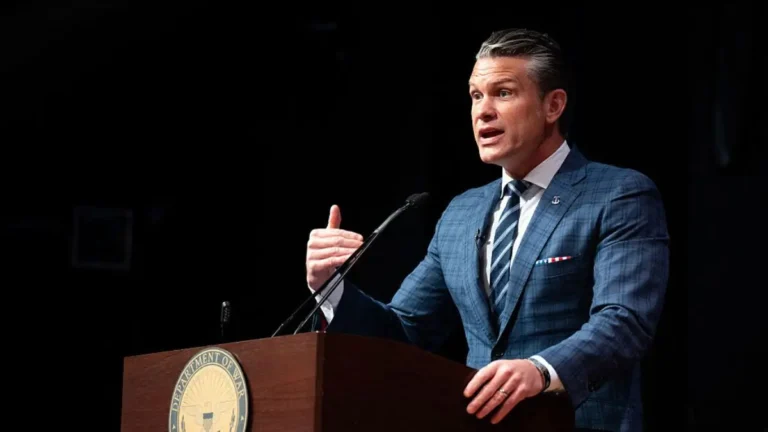
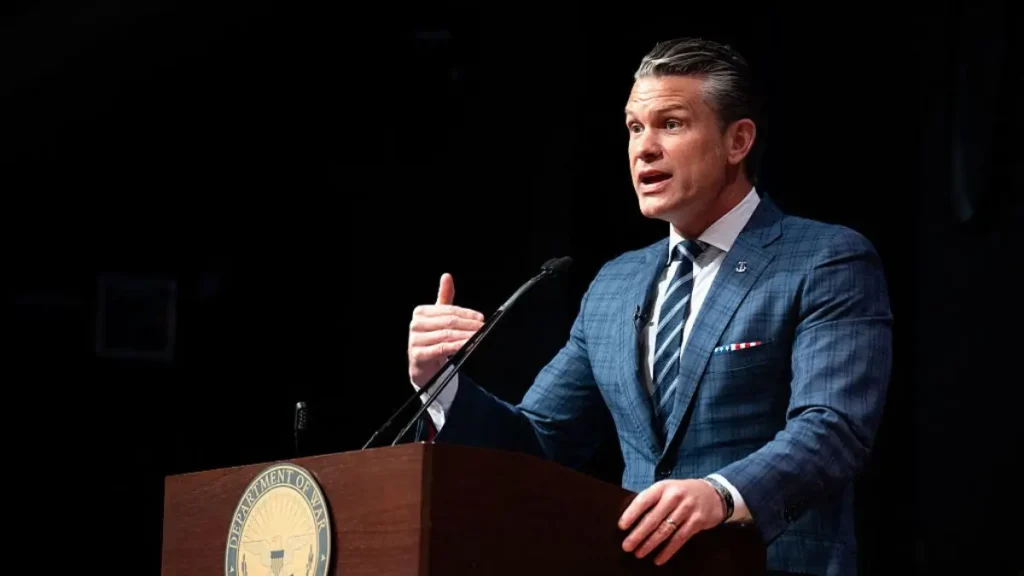
In an era where one freeze-frame can tell you more than a whole speech, Pete Hegseth just found out what happens when your face betrays what your script is trying to sell. A Black Marine is being honored for his service, the type of moment that should be nothing but respect and applause. Instead, the internet is slowed down to 0.5x speed, eyes locked on Hegseth’s expression, trying to catch the exact second his mood shifts. People are replaying the clip like it is a missed foul in the fourth quarter, pausing, rewinding, screenshotting. “His face says it all,” the comments read. And for a lot of Black viewers, it feels familiar in a way that is way bigger than one ceremony.
Here is the setup. Pete Hegseth, former Fox News host turned Secretary of Defense, is onstage, suited up, tasked with honoring a Black Marine in a formal ceremony. It is supposed to be a clean patriotic moment, the kind that ends up in campaign ads and recruitment videos. But even before the actual exchange, people online were already clocking his vibe. The posture, the tight jaw, the way his eyes do everything except soften. Folks were saying you could tell he did not even want to be there, like a kid forced to apologize when he is still mad.
Then comes the detail that really set people off. Hegseth is known to hate facial hair in the ranks. Old school “clean-shaven military” obsession. The Marine being honored? Rocking a beard. Lined. Full. Proud. The kind of look that makes barbers in the neighborhood nod in respect. As the clip plays, you can literally see Hegseth’s eyes flick to the beard, then his face tighten a little more. Viewers zoomed in, slowed it down, shared side-by-sides. And whether you buy into the facial hair angle or not, the larger question lingers over the whole moment. What happens when the people in charge of “honoring” us do not actually respect who we are, how we look, and what we represent?
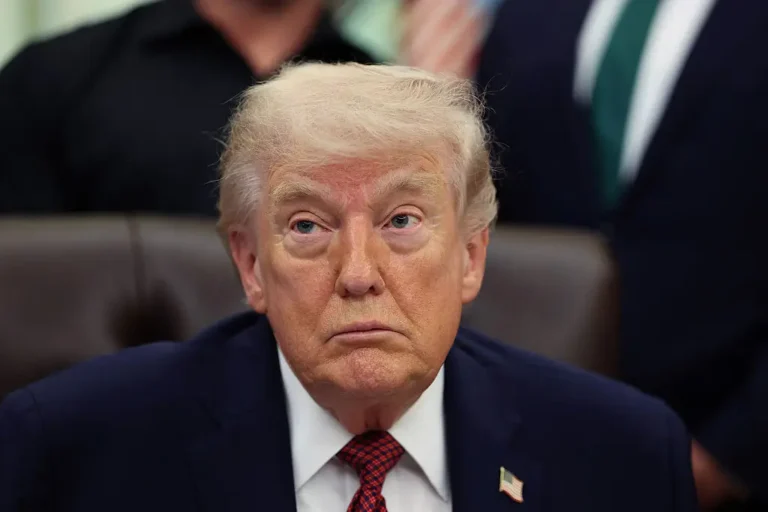
This is not the first time political power, Black bodies, and public ceremony have mixed like oil and water. Think about how many times presidents and high ranking officials have wrapped themselves in Black excellence when it is convenient, while still pushing policies that hurt our communities. It is the same energy that made people side eye those awkward photo ops where politicians kneel in kente cloth or invite rappers to the White House for the cameras, while quietly trying to edit or control the narrative behind the scenes. Remember how eagle eyed viewers caught those weird edits around Trump’s appearances, like in that viral clip people broke down in “Why Did the White House Try to Edit Trump’s Video?” The game has not changed. The audience just got smarter with the receipts.
What is hitting people so hard about the Hegseth video is not just one man’s attitude. It is the symbolism. A Black Marine standing in full uniform, having done everything this country asked of him and more, still reading as “not regulation enough” to a man whose whole brand is traditionalism and control. Facial hair becomes code. Not just for grooming standards, but for the kind of individuality and Black expression that certain folks in power have always tried to police. From braids and locs in the workplace to “professionalism” rules that somehow always target us, that little beard on that big stage carries more weight than it seems.
Black people know what it feels like to be tolerated in spaces that claim to honor you. The award is real, the plaque is shiny, the handshake is rehearsed, but the energy is off. It is that look you get walking into a boardroom or a classroom with your hair natural, your beard full, your style your own, and watching someone in authority decide you have gone too far outside their comfort zone. The military is one of the most intense versions of that dynamic, because it literally has the power to dictate your body, your hair, your time, your speech. So when a Black Marine steps onstage not as a prop but as a person, with his full self visible, any crack in the mask from leadership is going to be noticed.
The crazy thing is how much this reminds people of Hollywood battles over image and respect. When Jamie Foxx had to push back on Quentin Tarantino about a scene in “Django Unchained,” it was about more than one moment on set. It was about who gets to decide how Black characters move, talk, and resist on screen. That tension is exactly what made fans revisit stories like “Why Did Jamie Foxx Fight Quentin Tarantino Over a Scene in Django Unchained?”. The Hegseth clip is that same power struggle, just in a uniform instead of a movie costume.
People are also connecting this moment to a larger pattern with conservative media figures who suddenly end up in government jobs. Their on-air personas do not just disappear once they get sworn in. Hegseth built a career talking a certain way about crime, patriotism, and protest, and a lot of those takes did not exactly land as friendly to Black communities. So when he is now front and center honoring a Black Marine, it feels like a clash between his brand and his duty. The internet is basically asking, “Do you really respect this man, or are you just reading words off a teleprompter because the job requires it?”
On top of that, there is the rumor mill around Hegseth himself. Whispers about a drinking problem, questions about fitness for such a high pressure role. Whether those rumors are fair or not, they color how people read his body language. If viewers already think you are sloppy or reckless, every side eye and grimace looks worse on camera. It is the same way people broke down that clip of Trump looking beet red and slurring, frame by frame, like in “Why Was Trump Beet-Red and Slurring on TV?” Once the audience does not trust you, the benefit of the doubt is gone. Every facial twitch becomes evidence.
There is also a deeper cultural conversation here about who gets to define “discipline” and “respectability.” For generations, Black people have been told that if we just dress right, talk right, cut our hair a certain way, then maybe we will get treated fairly. The Marine Corps itself has updated grooming rules over time that used to be flat out hostile to Black hair textures and styles. So a Black Marine with a beard receiving high honors chips away at that respectability myth. It says, “You can serve at the highest level and still look like yourself.” For someone like Hegseth, who is publicly against facial hair in the ranks, that image is not just a violation of a grooming rule. It is a challenge to his whole idea of what a “good” soldier looks like.
That is why this tiny viral moment is bigger than one side eye. It taps into the same energy you see when athletes and entertainers use their platforms to push back on outdated norms. Think about LeBron stepping into golf, a sport built on country club gatekeeping, and flipping it into something rooted in Akron and access, like he is doing with that PGA event folks are watching in “Why Is LeBron James Launching a PGA Tour Golf Event in Akron?”. That is what happens when Black excellence walks into a room that was never designed for us and refuses to shrink.
There is also a media literacy lesson happening in real time. Black audiences have gotten incredibly sharp at reading body language, catching micro expressions, spotting edits, and calling out fake allyship. Social media has turned everybody into a director and a critic. That is why a clip like this does not just pass by as a feel good moment. People are pausing, zooming in, comparing angles, stacking it against interviews and old quotes. This is the same cultural muscle that makes Verzuz battles, viral food reviews, and celebrity interviews feel like live courtrooms. The audience is the jury now, and once they decide your energy is off, it is hard to walk that back.
For the Black Marine at the center of this, the weirdest part is that his moment of honor is being overshadowed by the man supposed to be honoring him. That is another pattern we have seen too many times. Black achievement becomes a backdrop for white discomfort. The story shifts from “Look what this brother did” to “Look how this official reacted.” It would be a shame if his service and sacrifice get lost in the meme of Hegseth’s facial expression, instead of sparking a real conversation about how the military can better reflect and respect the people who actually fight its wars.
Going forward, this is not just a one day story. Hegseth is going to keep showing up at ceremonies, briefings, and public events. Cameras will keep rolling. People will keep watching for that split second where the mask slips. If more clips like this pop out, it could start to weigh on how Black service members, veterans, and families view his leadership. And in an election season where every gesture gets politicized, expect this video to resurface whenever conversations around race, the military, and representation heat up.
What matters long term is whether moments like this push actual change. Will the Pentagon and other institutions start thinking harder about who they put out front as the face of “honor” and “service”? Will they update not just grooming rules, but the mindset behind them? Black culture has always found ways to demand respect, from the barbershop to the battlefield. The question now is whether the people in power are really ready to see us fully, or if their faces will keep telling on them the second the cameras zoom in.
About The Author