By DeShawn Price, PowerVault Staff
The most powerful images in pop culture right now are not coming from awards shows or red carpets. They are coming from hospital rooms, living rooms and tour buses, where some of the biggest women in music are pulling their babies close, lifting their shirts and hitting post.
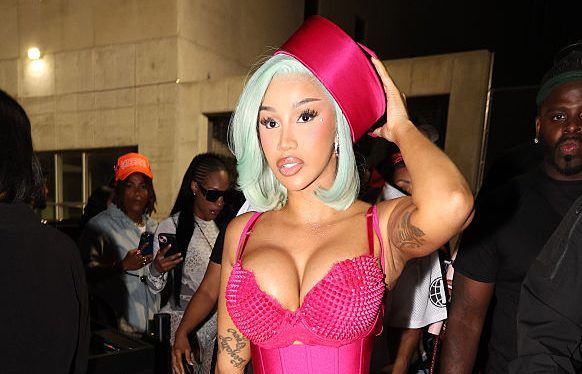
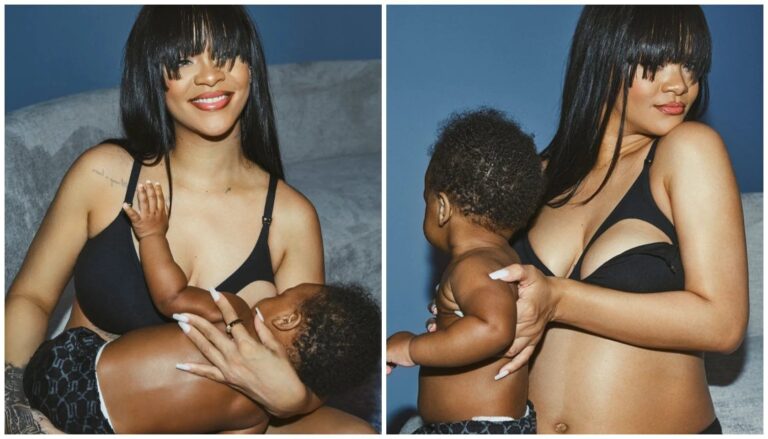
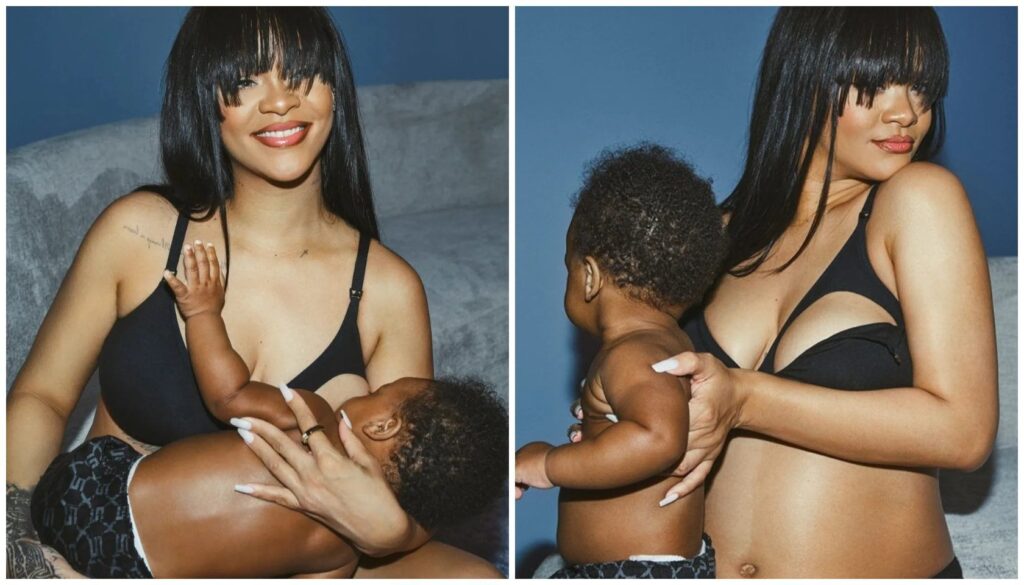
Seeing Rihanna in a Fenty set, nursing with that same unbothered energy she brings to the Super Bowl stage, or Cardi B talking about pumping in between festivals, hits different when you grew up in a world where Black mothers were told to cover up, be quiet, or just grab formula and keep it moving. Those photos are not just “aww” moments. They are culture shifts.
National Breastfeeding Month always sparks the same glossy campaigns and hospital flyers, but the real conversation is happening where our people actually are: on IG, TikTok and in the group chats. Celebrity moms from Rihanna to Cardi B, Teyana Taylor, Summer Walker, Keke Palmer and more have started making their breastfeeding journeys public, and for Black women, that visibility is not just cute, it is political and personal.
For generations, Black women have had a complicated relationship with breastfeeding in this country. From being forced to nurse white children during slavery while their own babies went hungry, to being targeted by early formula marketing in Black neighborhoods, the history is heavy. So when a Black woman with millions of followers posts a picture nursing her child, she is breaking more than the algorithm. She is breaking a cycle.
Rihanna nursing in public on vacation and not hiding it under a blanket is a direct clapback to the shame that still follows Black moms in everyday spaces. Cardi B has talked openly about how hard breastfeeding was for her, how painful and exhausting it could be, how she still had to show up as a performer and provider. That kind of honesty is a long way from the fake “supermom” image the industry used to push, where the baby was a prop and the mom bounced back in two weeks with no stretch marks, no tears and no story.
The truth is breastfeeding is not a soft-focus Pinterest board. It can hurt. It can fail. It can be beautiful one week and unbearable the next. A lot of women who want to breastfeed never get the support, time off work or even basic respect in public to make it possible. Black moms especially are dealing with higher rates of maternal mortality, less access to lactation consultants, and jobs that do not care about pumping schedules. So when famous Black women start saying, “Yo, this was hard for me too,” it gives regular moms permission to be real about their own struggle.
This is what makes this wave of celebrity transparency different from the old school “mommy makeover” era. Remember when artists in the 90s and early 2000s had to disappear for a whole pregnancy and then reemerge like nothing happened, child hidden, body snatched, story erased. Motherhood was treated like a liability in pop and hip hop, something the label had to spin or hide. Today, the baby is on the album cover, on the tour bus, on the livestream, and sometimes literally on the breast mid-photo shoot.
Black fans have already watched the culture move from hiding real life to bringing it center stage. Think about how Ella Mai’s tour reminded people that R&B still thrives on real emotion and vulnerability, not just vibes. This breastfeeding conversation is part of that same shift: women refusing to separate their art, their bodies and their actual lives just because it makes somebody uncomfortable.
Hip hop has always talked about mothers, but usually from the perspective of the kids. Rappers praising the single moms who worked two jobs, sacrificed everything, kept the family afloat. Those stories are valid and essential. Now we are finally seeing the flip side: the mothers telling their own stories in real time, in their own language, with their bodies visible and their choices unapologetic.
There is also a quiet class conversation happening underneath these glossy posts. Celebrity moms can afford nannies, night nurses, lactation consultants and flexible schedules. The average Black mom who wants to breastfeed might be going back to work two or three weeks after birth, trying to pump in a bathroom stall or the car on her lunch break. When famous women share both the pretty and the ugly parts, it helps as long as they are not pretending that access and money do not change the experience.
Some of the most impactful posts are the ones where these women say, “I tried and it did not work out” or “I had to supplement with formula” without shame. That is important. For too long, breastfeeding discourse has been used to judge and divide women. The culture does not need another purity test. What we do need is for Black women to feel fully informed and fully supported to do what is best for them and their babies, whether that is breastfeeding for two years, two weeks or not at all.
Public reaction to these images also reveals who still polices Black women’s bodies. The same people who will hype up a half-naked music video will turn puritan when a Black woman shows a little skin feeding her child. Suddenly it is “inappropriate” or “too much.” That double standard is not new. It is the same energy behind why a Kehinde Wiley portrait can be labeled “too woke” and yanked off a wall, as we covered when the US Embassy tried it in that controversy. Black bodies are allowed when they are entertaining or profitable, but not when they are honest, powerful or nurturing themselves.
Music and sports culture have been slowly catching up to the reality that Black women are not just muses or background characters. From Naomi Osaka stepping back for her mental health to Serena Williams talking about almost dying in childbirth, to artists like Summer Walker sharing postpartum depression and breastfeeding struggles, the image of the “strong Black woman who can handle anything without help” is cracking. That myth has never served us. It left too many Black moms suffering in silence, expected to push through pain, racism in hospitals and zero support at work, while being praised for their strength instead of given actual care.
Celebs sharing breastfeeding journeys also touch something deeper for hip hop heads who grew up on artists telling raw truths. The same way fans wanted to know what really happened in Lil Durk’s trial because transparency affects how we see his legacy, seeing women rappers and singers walk us through pregnancy and feeding affects how we read their art. That verse about being tired, leaking milk and still hitting a show hits harder when you have seen the screenshot of her pumping in the dressing room.
There is also something quietly radical about how this content shifts the idea of “sexy.” For so long, the industry separated “sexy” from “mom.” Once a woman had a baby, she was either put in the wholesome box or told to snap back to the pre-baby aesthetic immediately. Now, Rihanna can be a billionaire mogul, a new mom nursing in a photo, and still the sex symbol brands beg for. Cardi can talk about cracked nipples in one breath and drop a verse that shuts down the club in the next. That wholeness, that refusal to slice themselves into marketable pieces, is powerful.
Of course, celebrity visibility is not a substitute for policy. The US still lags behind on paid parental leave, workplace protections for pumping, and basic maternal care, especially for Black women. No amount of viral mom content is going to fix a hospital system that does not believe Black women when they say they are in pain. But cultural shifts create pressure. When fans are used to seeing breastfeeding as normal and public in their feeds, it is harder for lawmakers and corporations to pretend it is some rare, private niche they do not have to accommodate.
The kids growing up right now will have a totally different visual library in their heads. Instead of only seeing bottle-fed baby dolls and glossy formula commercials, they are watching their favorite artists and influencers normalize nursing. They are seeing hip hop moms headlining festivals with breast pumps in the green room, not hiding their kids from their careers.
Black fathers and partners are quietly being re-framed too. When famous dads hype their partners for breastfeeding, protect their space to pump on tour, or show up in those photos holding the nursing pillow or bringing snacks, it models a different kind of masculinity. It says care is not soft. Support is not corny. It is part of being a real man, the same way supporting women’s careers, sports and leadership has been normalized, like we are seeing with the new wave of Black women taking over college volleyball.
There will always be critics. People who say breastfeeding is too intimate for the timeline, or that celebrities are oversharing for likes. But in a culture that has profited for decades off hyper-sexualizing Black women’s bodies while denying them autonomy, these breastfeeding posts feel less like oversharing and more like reclamation. This is the body that capitalism tried to break, that the medical system often fails, that the music industry tries to control. Seeing it feed, heal and rest on its own terms is a quiet revolution every time it pops up on the Explore page.
Looking ahead, expect this conversation to get even louder, not quieter. As more Black women in music, film, sports and digital media step into motherhood publicly, the pressure will grow on brands, venues and workplaces to move beyond pink marketing and actually support real-life needs. Nursing pods at festivals, real childcare on sets, better contracts for pregnant performers, honest lyrics about postpartum bodies and mental health, more documentaries that treat Black motherhood with the same depth and respect we give to legends in pieces like our breakdown of Michael Jackson’s legacy.
National Breastfeeding Month might put a spotlight on it for a few weeks, but this is bigger than a hashtag. Hip hop is aging into parenthood in real time and refusing to hide it. The next era of the culture will not just be about who runs the charts, but about who gets to raise their kids with dignity, support and visibility. Watching Rihanna, Cardi and so many others nurse in public is not just about them feeding their babies. It is about feeding a new definition of Black motherhood, one that is loud, complex, visible and fully in control of its own story.
About The Author