By Tanya Brooks, PowerVault Staff
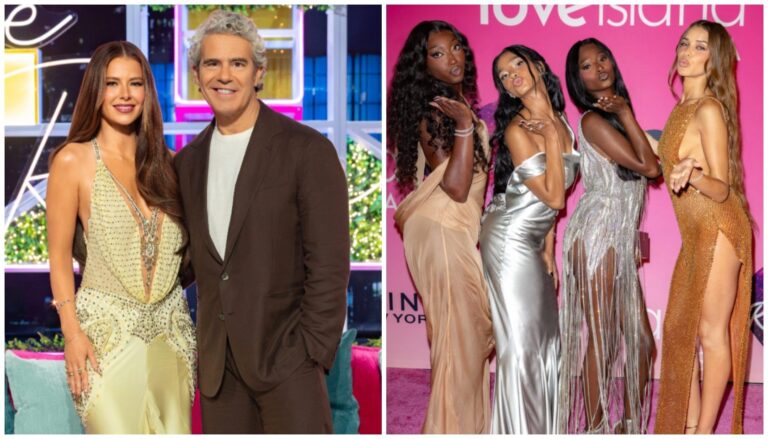
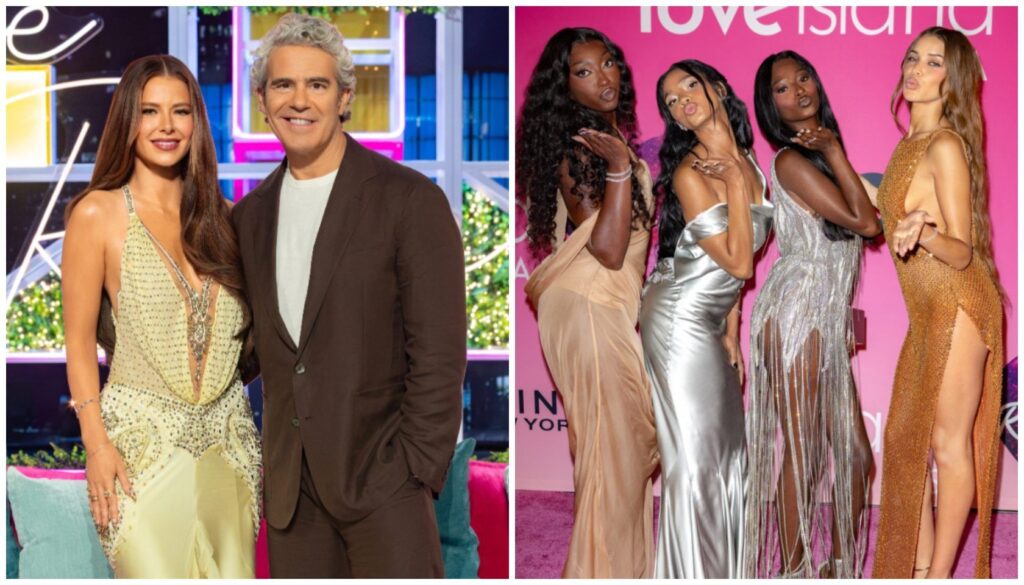
The thing about reality TV beef is it never really ends when the cameras cut. It just goes on hiatus until reunion night, when everybody walks in like they’re at the Met Gala but talks like they’re back in the group chat. That is exactly the energy circling this Love Island USA reunion, with Melanie and Sol’s drama lined up as the main event.
Love Island has always sold itself as a dating show, but if we are being honest, fans tune in just as much for the politics, the alliances, and the messy fallouts as they do for the “love” part. This season gave viewers a whole summer of vibes, hookups, and heartbreaks, but the minute that reunion teaser dropped and it became clear Melanie and Sol were still not cool, the discourse jumped right back to life. Clips of side-eyes, raised voices, and those tight little smiles people wear when they are absolutely not over it have already been circulating. A reunion like this is not just a recap of the season. It is a referendum on who was real, who was playing a role, and who the internet is about to crown hero or villain.
Melanie and Sol’s tension has been brewing all season long. Their situation was never just flirty banter and slow-motion pool shots. It was miscommunication, pride, and two strong personalities trying to hold their ground in a house where everything is amplified. The teaser shows that whatever happened between them did not get neatly wrapped up with the finale credits. You can see it in the body language. The way people are sitting on that couch tells you exactly who is aligned with who and who came ready to re-litigate every last text, lie, and half-truth.
Fans of Black reality TV have seen this cycle play out across different franchises. The Love & Hip Hop sit-downs, the Basketball Wives reunions, Real Housewives of Atlanta legends like NeNe and Porsha turning a couch into a cultural battlefield. Love Island USA might not have started as a show centered on Black love, but Black viewers have carved out a space in it anyway, rooting for the Islanders who look like us and reading every situation through a lens mainstream TV rarely respects. When Melanie and Sol go at it, people are not just watching two singles argue. They are watching yet another example of how Black women and men get framed when things go left on screen.
What makes this reunion feel especially charged is how quickly the audience picked sides while the season was still airing. On social media, every clip between Melanie and Sol turned into think pieces in the comments. One minute the timeline was calling Melanie “too emotional” for reacting to mixed signals, the next minute Sol was getting dragged for trying to play smooth operator and then acting confused when feelings got hurt. This is where reality TV and real life start to blur, because the same stereotypes Black women and men get hit with out in the world show up in the way fans talk about these Islanders online.
Watching this play out calls back to the way other shows have put Black women in the line of fire for entertainment. Just look at how many people have been side-eyeing that new dating concept where contestants literally pop balloons in people’s faces and laugh at the rejection. Black women immediately clocked the colorism and cruelty baked into it, to the point where folks were breaking it down in pieces like in this breakdown of why Pop The Balloon is being called colorist and cruel. Love Island does not go that far visually, but the emotional stakes can be just as brutal, especially when the edit leans into certain narratives.
Reunion specials are where people try to reclaim the story that got told about them for ten weeks straight. Melanie walking in there has to know that every eye is on her. For Black women on these shows, there is constant pressure to be “strong” without being labeled “aggressive,” to speak up without being called “bitter,” to have standards without being dismissed as “doing too much.” The reunion is her one chance to say, “No, here is what actually happened,” without a soundtrack and a producer’s cut slicing up the moment.
Sol has his own tightrope to walk. Black men on reality TV often get flattened into two roles: the charming heartbreaker or the emotionally stunted problem. If he minimizes, he looks manipulative. If he apologizes, people question if it is sincere or just PR. The teaser hints that he is not ducking the smoke entirely, but you can tell he is trying to finesse it, to keep things cool while still defending his side. That balancing act says a lot about how Black men are taught to handle conflict publicly, especially in a world where a few bad clips can follow you around longer than any relationship from the villa.
Love Island USA has been slowly drifting into the same cultural lane as some of the reality staples that helped define an era. Think about how “Flavor of Love” and “I Love New York” gave us some of the wildest TV ever and also stamped characters into Black pop culture forever. Those shows were chaotic, but they also gave Black personalities space to be big, loud, funny, messy, and vulnerable in ways that still get memed today. This reunion has that same potential, especially if Melanie and Sol’s showdown becomes the moment people remember this season by.
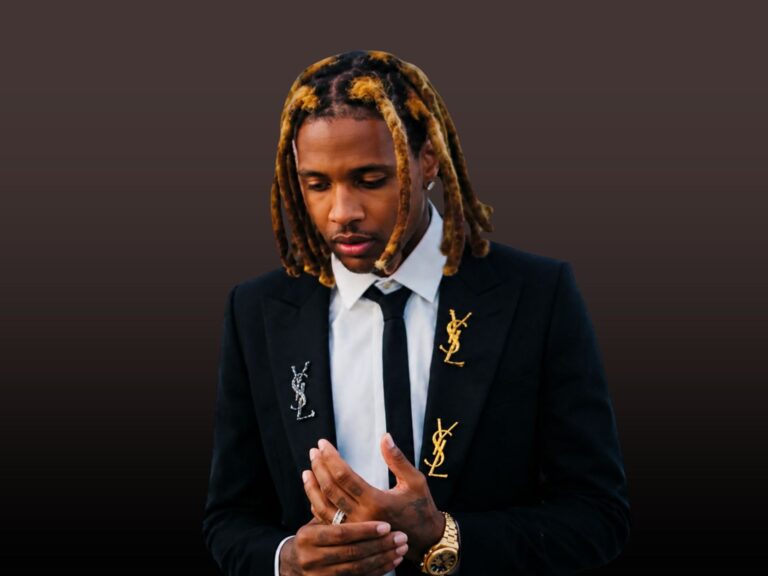
There is also something very 2024 about how these shows function now. The Islanders are not just reality contestants. They are instant influencers, future podcast guests, maybe even brand ambassadors before the reunion even airs. A messy argument can turn into a YouTube recap bag, a couple’s breakup can become a joint statement and a rebrand. Look at the way artists navigate messy moments in their careers and turn them into narrative control. When people talk about Skilla Baby channeling Tupac and then landing a big role in 50 Cent’s universe in that story on how he flipped “The Price of Fame” into opportunity, it is a reminder that controversy and storytelling are currency now.
The reunion format itself is wild when you really think about it. You take people who have already been through a pressure cooker of emotions, throw them on a stage, replay their worst moments, and then ask them to react in real time while the world judges. On top of that, for the Black cast members, there is an extra layer of coded language and double standards. If Melanie raises her voice once, she becomes the “problem” in some people’s eyes. If Sol tries to keep calm and reserved, he risks being called cold or detached. The line between entertainment and exploitation gets thin fast.
There is also the question of how much of this beef is rooted in actual hurt and how much is the ecosystem of the show. Love Island is built around competition. Competing for partners, for screen time, for public votes. When that kind of pressure sits on top of Black relationships on screen, it can mirror the way we are often told there is only room for a few of us in certain spaces. That scarcity mindset can turn disagreements into feuds, especially when fans start ranking who is “deserving” of love and who is not.
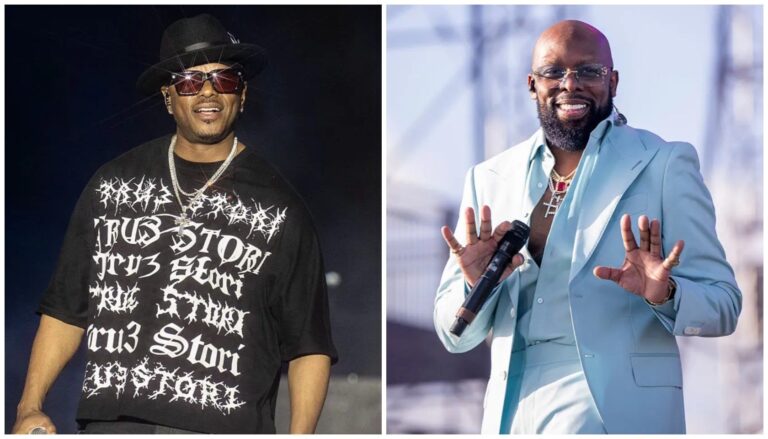
Still, it is impossible to deny how locked in the audience is when drama like this hits. There is a reason people are treating this reunion like a mini Verzuz. Group chats are already setting watch parties, live tweets are ready, TikTok edits are queued up. Moments like Joe and Donell Jones stepping into the Verzuz ring turned a simple matchup into something folks are still replaying and breaking down, the same way covered in that recap on what happened at their Verzuz and why fans are still buzzing. Reality TV reunions now sit in that same category of appointment viewing for the culture.
There is also a bigger conversation here about who gets to tell Black stories on mainstream platforms. Love Island USA has been slowly adding more Black cast members and couples, but the real test is not just representation. It is how those people are framed when things go left. Are their conflicts treated with the same empathy as others, or are they leaned on for meme-able chaos and little else. The edit is powerful, and the reunion is often the only time the cast can push back against it in front of the same audience that swallowed the original version.
Even beyond this one show, it fits into a wider pattern of how Black faces are used to drive engagement across media. From reality TV to sports to politics, the spectacle of Black emotion keeps getting packaged and sold. Think about how a simple on-air moment honoring a Black veteran turned into a viral clip of side-eye and awkward silence that had people asking why a certain host looked mad honoring a Black Marine. The reactions, the tension, the discomfort, all of it gets replayed and monetized.
For Melanie and Sol, the reunion is not just closure. It is a career checkpoint. How they handle it can decide whether brands see them as “safe,” whether podcasts want them as guests, whether they get invited back into the reality ecosystem or fade out after the credits. Fans may be watching for the drama, but the Islanders are playing a longer game about image and opportunity. The messy part is that they have to navigate their real hurt in the middle of all that.
Looking forward, this reunion could end up being a turning point for how Love Island USA handles its Black cast members and their storylines. If Melanie is allowed to speak her truth without being villainized, if Sol is held accountable without being flattened into a stereotype, it might open the door for more honest and layered portrayals of Black love on this franchise. If not, expect more of the same, just with new faces next season. Either way, the culture is watching. Not just to see who reads who on that couch, but to see whether this show grows up with its audience or keeps treating our stories like disposable plot twists. The Melanie and Sol saga is bigger than a summer fling. It is a mirror for how reality TV and the people who consume it handle Black hearts under bright lights.
About The Author