By Tanya Brooks, PowerVault Staff
Picture this: Saturday morning, cereal getting soggy, TV glowing blue, and that voice comes on. “Autobots, roll out.” Before you even knew what a voice actor was, Peter Cullen was already living in your head rent free as Optimus Prime. That same generation that grew up with giant robots and mixtapes just woke up to news that the man behind that legendary baritone is gone at 85, while a whole new generation is watching Michael Strahan quietly step into fatherhood again and Sy’Rai Smith navigate reality TV rumors like a vet. Three totally different headlines, one thing in common: they all say something about the stories Black folks cling to, question, and carry forward.
Peter Cullen passing at 85 hits different because his work sat right at the intersection of nerd culture and the era when hip-hop was forming its own mythologies. Every kid who loved Transformers, Thundercats, X-Men, all that, was basically getting primed for how we would later consume rap: big voices, big stakes, good versus evil with messy gray areas in between. Cullen’s Optimus Prime was that calm, unshakable leader type that shows up later in hip-hop as the elder statesman figure. Think early JAY-Z retirement talk, or how Nipsey carried himself, or how Kendrick positions himself as the reluctant savior. That cadence of “I’m going to lead you through chaos with a steady voice” is the same energy.
For a lot of Black kids in the eighties and nineties, those cartoons were the first taste of epic storytelling before they even got into Illmatic or Ready To Die. Cullen’s voice was a soundtrack in the background while our parents got dressed for work, while older cousins blasted Wu-Tang down the hall, while culture was being formed quietly in living rooms. That is why news of his death is not just some random Hollywood obituary. It is a reminder that a lot of what shaped our imagination came from people we never saw, only heard, and that voice work is real work. In a world where the industry still shortchanges voice actors and animators, especially Black ones, the respect fans are giving Cullen online shows how deep that connection runs.
There is also something poetic about losing a voice like his right now, when so much of entertainment feels chaotic and algorithmic. Cullen was analog energy. One man, one mic, one performance that did not need TikTok edits to land. The same way fans still line up for R&B shows because live vocals matter, like in our Ella Mai tour review, people are craving things that feel grounded and human. Optimus Prime was written by a room full of people, but that voice is what made him feel like somebody’s uncle who had seen war and still chose peace.
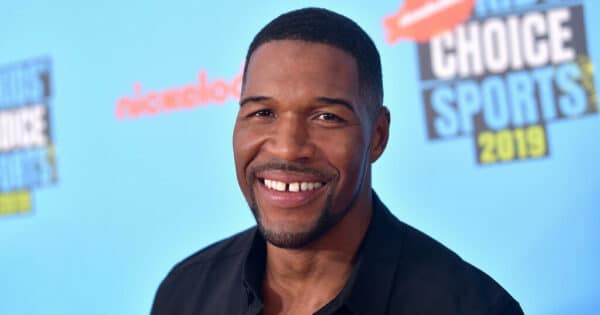
While one era says goodbye, another is quietly starting in Michael Strahan’s house. Reports say the Hall of Famer turned TV mainstay welcomed a baby girl earlier this year with longtime girlfriend Kayla Quick. No big press run, no staged photo shoot with flower crowns and a brand partnership. Just a baby, a family, and a soft reveal that basically confirms what folks had been whispering for months.
Strahan’s evolution from NFL star to morning show anchor to girl dad again is one of the more interesting Black celebrity arcs of the last two decades. This is a man who was once known mainly for sacking quarterbacks, then became the smiling face of mainstream network TV, and now, at 50-plus, is back to diapers and bottles. For Black men, especially those who grew up on the old script that said life peaks at 30 and you are supposed to have everything “handled” by then, Strahan’s late chapter is quietly radical. It says there is no one timeline for building or rebuilding family.
The way he and Quick kept the pregnancy and birth mostly private also speaks to a shift in how Black celebs are choosing to move. The last decade turned Black motherhood into content for everyone except the mothers and children actually living it. Lately, though, there is a pushback against that. When we covered how Rihanna, Cardi B and other Black celebrity moms are reshaping the breastfeeding conversation, it was clear: visibility matters, but so does control. Being seen is different from being consumed.
Strahan and Quick choosing quiet over spectacle is its own kind of flex. It lines up with a broader energy where more Black public figures are setting hard boundaries around their kids, their partners, and their homes. After years of messy custody battles and reality TV blowups turning serious family issues into plotlines, people are realizing that the cameras do not love you back. The same system that will zoom in on a celebrity baby shower will also zoom in on your lowest moment without flinching, like we see whenever the justice system and hip-hop collide, from YSL to the way attorneys like Brian Steel have to fight for rappers’ humanity in court.
Sy’Rai Smith, Brandy’s daughter, is learning that lesson in real time. When she popped up online talking about being considered for Zeus Network’s “Baddies,” social media did what it always does: clipped it, twisted it, and ran with the narrative that she was signing up to throw hands on camera. Sy’Rai has since stepped in to clear things up, explaining what actually happened and why her interest stopped short of signing a contract.
“Baddies” is a wild case study in where reality TV is right now. It sits at the messy intersection of Black women, money, violence, and virality. The show’s entire brand is chaos: fights, fallouts, and fractures turned into GIFs and reaction clips. On one hand, there is no point pretending like shows like this do not pull numbers. There is a real audience, and some of those women are making more on Zeus than they ever made in music or modeling. On the other hand, people are not wrong when they ask, “At what cost?” Every viral fight is also a real bruise, a real mother watching her child on TV get dragged by the hair.
Sy’Rai stepping back from that world, especially as the daughter of someone as respected as Brandy, feels like a small but important cultural moment. This is a young Black woman with industry access, name recognition, and a built in storyline choosing not to let the bag talk her into chaos. That is not to judge anyone who says yes. Survival and opportunity look different for everybody. But when a next generation star says “I considered it, then I thought about what it would do to my mental and my image,” that choice deserves as much attention as the brawls do.
The situation also highlights how Black daughters of icons are moving differently than their parents had the chance to. Brandy came up in the nineties, an era when young Black women in entertainment were heavily managed, controlled, and expected to keep everything squeaky clean in public no matter what was happening behind the scenes. There were fewer options to own your story. Now, Sy’Rai can speak directly to fans, correct the blogs, and set boundaries in real time. That shift in power is real, even if it is still messy around the edges.
There is a bigger conversation here about what we expect from Black women on screen. Every few months, a new show or social media trend pops up that uses Black women’s pain as entertainment. Recently, fans called out a dating show concept that literally involved popping balloons tied to people based on looks and colorism, which is why pieces like our breakdown of the Pop The Balloon dating show and its cruel, colorist setup hit such a nerve. People are tired of seeing Black women placed in experiments and battle zones instead of in nuanced, human stories where they are allowed to grow, fail quietly, and be soft sometimes.
What links Peter Cullen’s death, Strahan’s new baby, and Sy’Rai’s “Baddies” clarification is this: voices matter. Who gets to speak, how they are framed, and what stories we reward with clicks and cash all shape the culture. Cullen built a career on being a disembodied voice that still carried dignity and moral clarity. Strahan is choosing when to speak about his home life and when to let silence protect it. Sy’Rai is refusing to let producers decide what her voice will sound like on camera before she is even fully stepped into her own artistry.
Fans have power here too. Every stream, every share, every rating says what kind of content we want more of. If the only things that go viral are fights, scandals, and flameouts, executives will keep feeding that, then act shocked when people start asking why so many of our public images are dripping in trauma. This is the same disconnect that shows up when networks and politicians stumble around Black stories in live moments, like that painful incident where an NFL announcer called Jaguars star Travon Walker “Trayvon Martin” on air, which we broke down in our piece on why that so-called slip hurt so much. People are telling on themselves all the time with how they talk about us.
Looking ahead, expect more of these small but telling shifts. More legacy voices like Cullen will leave us, and each loss will force fans to think about what kind of heroes we are passing down to the next generation. More Black men like Strahan will rewrite what fatherhood, partnership, and public life look like in their forties, fifties, and beyond, pushing back on the idea that your story is over once your first career ends. More young women like Sy’Rai will stand at the crossroads of fast fame and long term peace and decide which side they want to invest in.
The culture is in a constant tug of war between spectacle and substance. This week’s headlines sit right in the middle of that fight. Paying attention to how these stories play out and what we choose to amplify will say a lot about where Black entertainment goes next, and whether the voices we honor in twenty years sound more like Optimus Prime’s steady leadership, or like background noise in another clip nobody remembers a week later.
About The Author