By Simone Walker, PowerVault Staff
The camera always tells on people who swear they have nothing to hide.
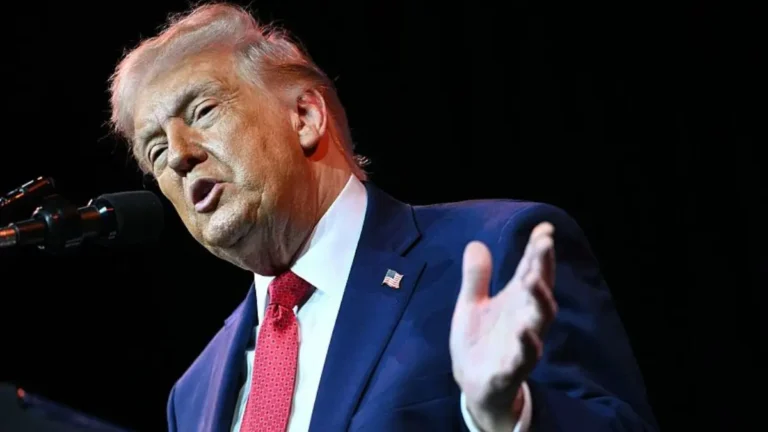
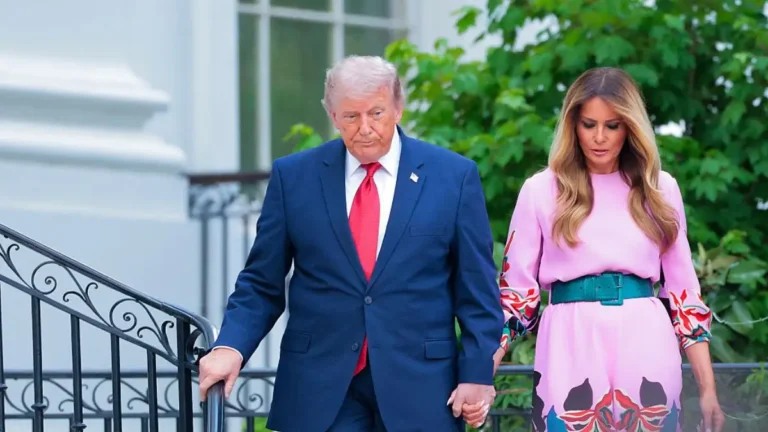
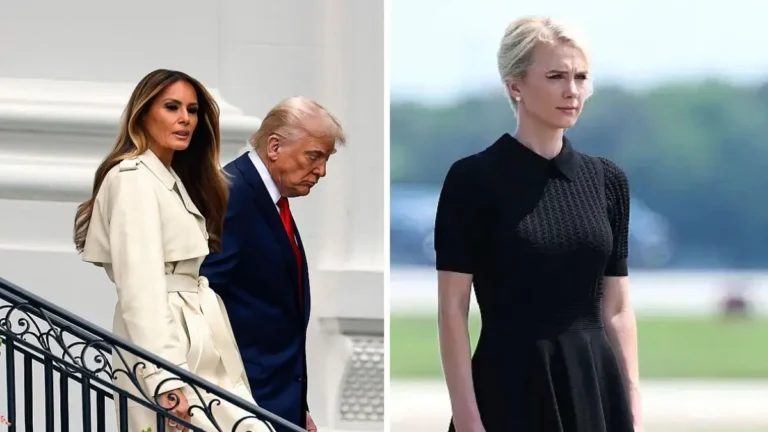
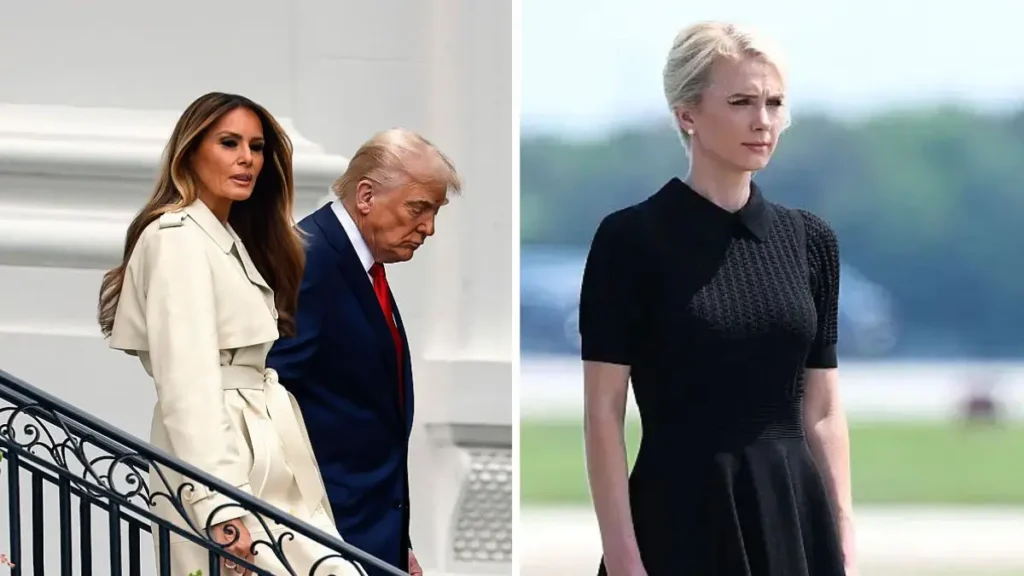
One second it is Trump and Melania walking like they are still playing “First Couple” for Fox News. The next second Melania drifts out of frame, and right on cue, Natalie Harp slides in like a substitute point guard who has been waiting at the scorer’s table all game. No hesitation, no confusion, just a woman who clearly knows her role and her mark. To a lot of viewers, that clip was just messy MAGA drama. To anyone paying attention to power, loyalty, and image in 2026, it looked like something deeper: Trump is building a whole new inner circle, and the optics are loud.
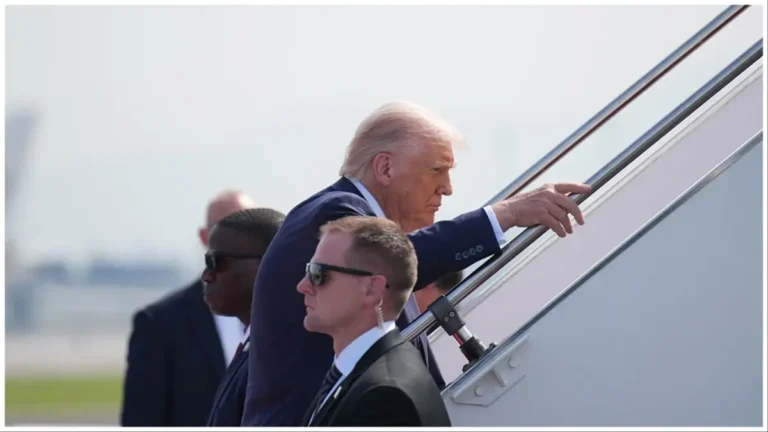
Natalie Harp is not a household name in the culture. She is not Melania, not Ivanka, not some celebrity side character. Officially, she is an executive assistant and close aide, a former One America News host who jumped from cable propaganda to walking step-for-step with a former president trying to claw his way back to the White House. But watch enough clips, and she really does move like his shadow. Every rally. Every courtroom walk. Every tarmac arrival. Trump turns, she is there. He sits, she is behind him. Melania disappears, Harp appears. That is not an accident.
Trump has always been obsessed with proximity and performance. Who stands behind him, who flanks him on camera, who gets to be seen as part of “the brand.” Think about the Apprentice-style way he paraded Black pastors, athletes, and entertainers through Trump Tower in 2016 just to say, “Look, they love me.” Visual cosigns have always been his love language. Harp is a different version of that. She is not there to diversify the stage. She is there to stabilize it.
People clown Melania for her distance, but her absence is its own statement. This is a woman who swatted his hand away on live TV, who dipped out of the spotlight after January 6, who shows up at key moments and then vanishes like she is fulfilling the bare minimum of a contract. The fact that Trump now has another woman so consistently near him in high pressure moments says more about his political strategy than his marriage drama. He is building a visual story: loyal young aide, always attentive, always at his side, ready to hand him notes, phones, papers, whatever. It is giving “I still run things” energy.
For Black audiences, none of this is shocking. White conservative power has always treated women as set pieces and shields. When the cameras are rolling, they love a devoted wife, a soft spoken assistant, a loyal believer to frame the shot. Then behind closed doors, those same women become employees, liabilities, or collateral damage once the story shifts. Trump is not unique there, he is just more obvious about it.
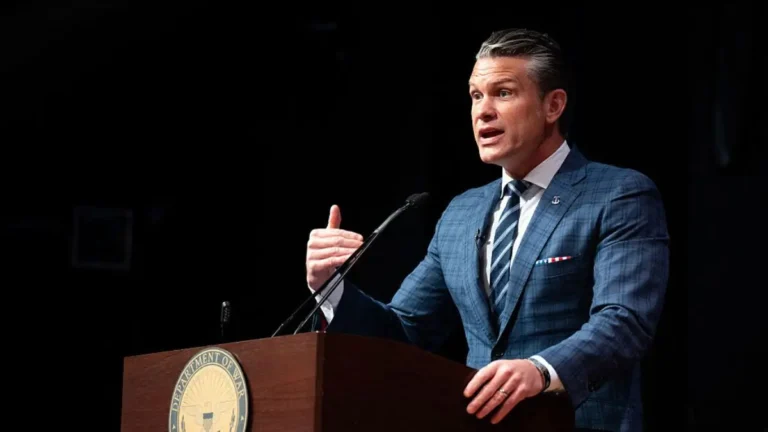
The Harp and Melania moment also lands in a year when everyone is already watching how power gets staged on camera. We just saw how a Fox personality acted honoring a Black Marine and how viewers caught his whole attitude on video before he could clean it up in a statement. That energy is why pieces like “Why Was Pete Hegseth Mad Honoring a Black Marine?” hit so hard. People are done pretending not to see what is right in front of us. The Trump clip with Melania and Harp lives in that same lane. It is not just gossip. It is a window into how power moves when it thinks we are only half-watching.
Trump’s relationship to women has always been transactional and loud. Pageants, NDAs, “grab them” on hot mics, Stormy Daniels, the Access Hollywood tape, the twenty-plus assault allegations. None of that stopped him from winning before. But 2026 is not 2016. The Roe reversal shook the country. Women, especially Black women, have become some of the sharpest political organizers out here, from local school boards to presidential campaigns. People are watching who these men stand next to and how they treat them, because it ties directly into policy and power.
Melania has never played the devoted political wife like Michelle Obama, who was out here hugging kids, leading initiatives, and giving speeches that felt like family talks. Melania more often moves like she is trapped in a long term brand deal she regrets. So when she steps away and a woman like Harp steps in, the visual reads like a soft rebrand. Trump gets to keep the “family man” storyline on paper, but on camera he leans on a professional loyalist who will not publicly roll her eyes or yank her hand away.
There is also the age and vibe gap. Harp is younger, more energetic, and clearly invested in Trump’s political survival. To his base, she looks like commitment. To his critics, she looks like another person grooming his image and feeding him what he wants to hear. This is the same dynamic we see when aging legends and CEOs surround themselves with younger staffers who hype them up instead of challenging them. It is flattering, but it is also dangerous, because it builds a bubble where reality never fully gets in.
Black culture has seen this movie before in different costumes. Think about all the artists who replaced old friends and day-one managers with slick industry “handlers” once the money hit. Suddenly there is a new assistant, a new publicist, a new stylist who knows how to make things look right for the camera, even while everything behind the scenes is falling apart. Trump is just doing the political version of that. The new inner circle, the carefully framed shots, the choreographed walks into court. It is image rehab dressed up as business as usual.
There is a reason so many Black folks clock these visuals quicker than mainstream pundits. Our survival has always depended on reading power dynamics in rooms where we were outnumbered. Who gets to stand in the frame, who gets cut out, who is allowed to speak, who only whispers. That is part of why stories about how the system treats us, like Brian Steel fighting the justice system for hip hop or a surrogate mom fighting for custody of a sick baby in California, hit nerve after nerve. The visuals always say one thing, but the real power is moving somewhere else.
With Trump, the real question is not “Is something going on with Natalie Harp?” The question is what her constant presence says about how he plans to govern if he gets back in office. This is a man already obsessed with loyalty tests and personal devotion. If his inner circle tightens even more around people who treat him like a king instead of a public servant, imagine what that does to policy. Imagine what that means for judges, for the DOJ, for policing, for immigration, for every agency that already showed how far it would bend for him the first time.
There is also a race angle here that does not need to be loud to be real. Trump is not surrounding himself with critics or people who push him toward a broader America. Harp represents a hyper loyal, conservative, mostly white media bubble that helped create the Trump myth in the first place. When that bubble becomes his everyday staff, not just his TV echo chamber, it matters. The same energy that tried to erase “wokeness” from museums and schools is walking next to him into every room. Just look at how his orbit treats Black art, like when conservatives went after Kehinde Wiley’s portraits for being “too woke,” a fight that sparked pieces like “Why Did The US Embassy Remove Kehinde Wiley’s Portrait For Being ‘Too Woke’?”. That is the cultural battlefield he is building a squad for.
Melania’s distance in all this is its own storyline. She has never looked comfortable as First Lady, never really embraced the role the way other political spouses have, and lately she is missing from more and more key shots. Her absence creates space, and Harp fills it. The internet turns that into a soap opera, but the political read is simpler. Trump does not care who fills the frame, as long as someone is there to make him look like a man still in command, still adored, still the center of a world that is actually shrinking around him.
What makes this moment feel different in 2026 is that people are finally treating these visuals as evidence, not just entertainment. When you see which women get used as props, which ones get sidelined, which ones get attacked, you can predict the policies that follow. A man who needs a younger loyalist stuck to his side like Velcro is not looking to share power. He is looking to be protected from it.
Heading into the thick of this election cycle, clips like the Melania and Natalie Harp moment should not just be Twitter side jokes. They are small flashes of how a second Trump term would operate: insulated, image-obsessed, fueled by loyalty, and surrounded by people who treat him like a movement instead of a man. If voters shrug that off, the country might wake up to a White House even more closed off and extreme than the first one. So keep watching who stands next to him, who disappears, who gets promoted, and who suddenly becomes the new shadow. Power always tells on itself. The cameras just make it harder to lie about what we all saw.
About The Author