By Marcus Ellison, PowerVault Staff
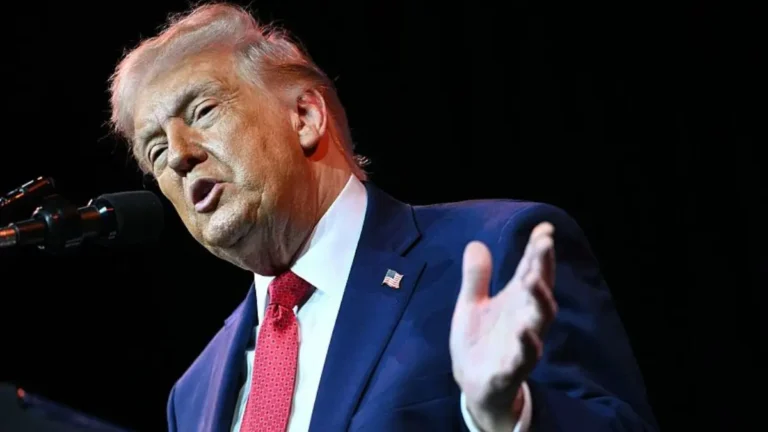
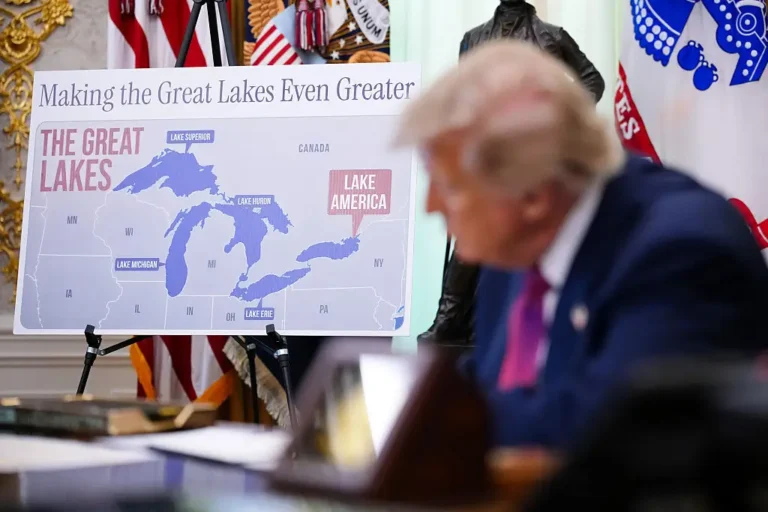
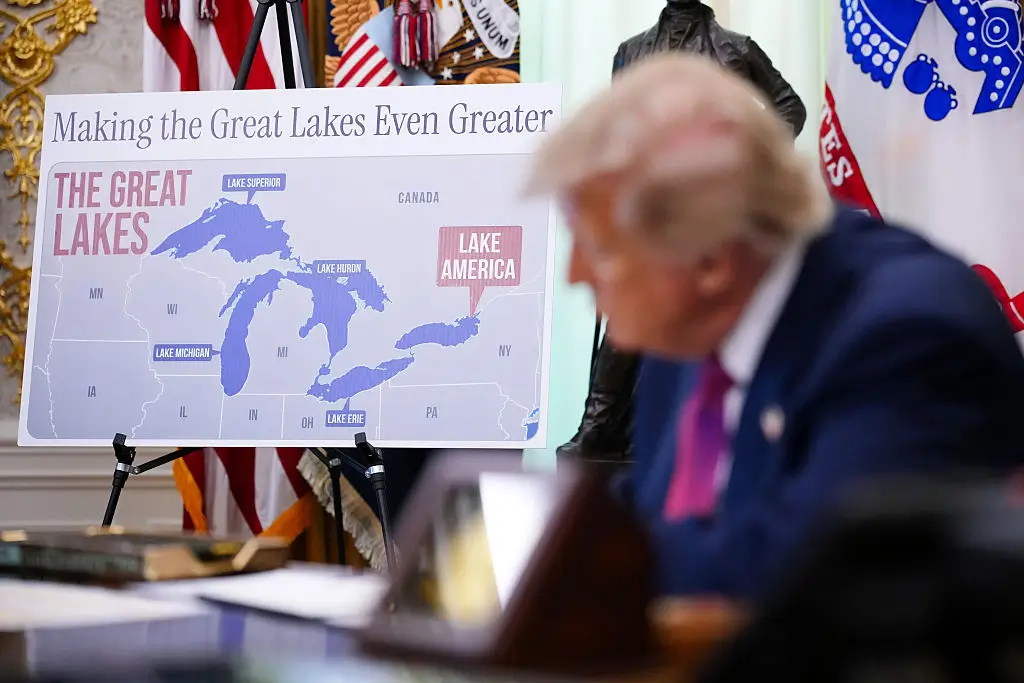
The president of the United States woke up beefing with a whole Great Lake like it was a rapper who dropped a sneak diss.
That is where American politics is in 2026. A sitting president allegedly tried to rename a Great Lake to get revenge on Canada because a Canadian official pushed back on his trade war. Not a policy response, not a negotiation move, not even a halfway thought out press conference. A rename. Out of spite. Then the White House reportedly jumped in, fumbled the rollout, and turned an already ridiculous stunt into a full on clown show.
On some level, it is funny. The memes write themselves. But once the laughs fade, what is left is a reminder that this kind of petty, reality show politics always lands hardest on people who cannot afford the joke, especially Black folks on both sides of the border.
Here is what set this all off. Trump has been ratcheting up his trade war with Canada again, trying to flex on tariffs and imports like he is still in 2018 playing tough guy with NAFTA. A Canadian official reportedly pushed back hard, calling out the economic damage and refusing to play nice. Instead of responding with a serious plan, Trump allegedly took it personal and decided to go after one of the Great Lakes, trying to slap a new name on it as punishment. Imagine being so thin skinned you think geography is a weapon.
From there, everything got messy. Reports say the White House tried to spin the stunt, then botched the messaging so badly that even some of his own people were calling each other “you idiots” behind the scenes. The whole operation looked less like a government and more like a chaotic group chat where nobody read the thread before replying. A revenge move that was supposed to humiliate Canada ended up making the administration look unserious, petty, and low key unhinged.
This is not some one off random Trump tantrum. It fits a pattern. When Trump feels disrespected, the response is rarely strategic. It is performative, loud, and designed to feed his base more than fix any real problem. We just saw that vibe in another political beef when he went after a rival candidate and got hit with a savage clapback that clearly got under his skin. The man runs the country like a quote tweet.
Think about how wild it is to use national geography as a revenge tactic. Names on maps are supposed to come from history, community, sometimes struggle. People march, petition, and protest for years to get streets renamed after Black leaders or to remove monuments to oppression. That is real work. But in this White House, a Great Lake is just another prop in a petty back and forth, like changing a group chat name when you get mad at somebody.
There is also something ugly about a mostly white, conservative administration casually trying to rewrite the map to flex power, when Black people and Indigenous communities have been fighting forever just to get our names and stories recognized. Take how long it took to get confederate statues removed, or how hard communities push for cultural landmarks to be respected. That is a battle. Trump, meanwhile, allegedly tries to wave a pen and rename a whole lake to spite a foreign official. That is the kind of entitlement that screams, “This is mine to play with,” not “This belongs to the people.”
For Black communities, both in the U.S. and in Canada, this kind of political clowning is not just embarrassing. It is dangerous. Trade wars do not hit Mar-a-Lago first. They hit workers, small businesses, families trying to keep groceries stocked when prices jump. When Trump escalates a fight with Canada for vibes and headlines, the fallout lands on truck drivers, factory workers, border town economies, and immigrant communities that move goods and services across that line every day.
Canada is not some distant, random target either. Black communities in places like Toronto, Montreal, Halifax and Windsor are deeply tied to Black folks here through family, culture, music, even shared organizing. Caribbean diasporas move back and forth. Artists cross the border for tours and festivals. If the trade war ramps up and things like travel, shipping, or cross border work get more complicated, those cultural ties feel it too.
There is a straight line from this type of petty politics to the way power plays out in the culture. When the government is run like a never ending beef, people start treating real life like a storyline that is only about humiliation, clapbacks, and “owning” your opponent. Look at how that same energy shows up in sports talk, or in the way some boxing fans defended Gervonta Davis disrespecting Devin Haney’s mom until folks had to ask how far is too far in a beef. There is this growing idea that nothing is off limits if it gets a reaction.
Trump’s latest stunt with Canada is just that logic scaled up to the level of foreign policy. Forget long term strategy, forget how this might impact people living paycheck to paycheck. Just embarrass the other side, get the clip on cable news, sell the merch, ride the chaos. It is trolling as governance.
There is also a media angle here that hits close to home. The early coverage around this Great Lake drama was treated like a circus, because to be fair, it is absurd. But when the story is only framed as “Look what this wild man did now,” the real power dynamic gets lost. It starts to sound like a reality show recap instead of a serious reminder that this man still controls trade policy, military decisions, and federal agencies that shape our daily lives. This is how people like Trump turn corruption, incompetence and cruelty into recurring content, and why Black journalists keep having to fight for the space to cover policy with depth instead of just vibes.
That is part of why wins like Karen Attiah’s legal victory matter so much. Black journalists are constantly dealing with institutions that would rather us be quiet, safe, and grateful for the little access they give, while the same institutions bend over backwards to normalize leaders who treat whole countries like roasting partners. The more our voices are protected and amplified, the harder it becomes for stunts like this to slide by as just another wild news day.
Historically, Trump using geography for petty politics is not even new for him. This is the same man who tried to buy Greenland and then got mad when Denmark laughed at him. The same man who constantly lies about crowd sizes and tries to rename reality itself when it does not flatter him. Go back even further and you see a long American tradition of those in power using maps, borders, and names to flex. Redlining maps to lock Black families out of home ownership. Renaming Indigenous land after colonizers. Drawing school zones to keep resources away from certain neighborhoods. The tool is old. The childishness of this specific move is what makes it feel like parody.
In hip hop terms, this is that point in a beef where one side stops rapping and just starts doing weird stunts for attention. No more bars, no more substance, just gimmicks. When 50 Cent was buying out the front row of Ja Rule’s shows, at least fans understood it as trolling inside the music world. Trump is trying to pull that kind of move on an international scale, with government power behind it, and no concern for who gets trampled while he preens.
There is also a generational piece here. Younger Black voters and creators are watching all of this play out and taking notes. Politics does not feel distant to Gen Z and younger millennials anymore. It feels like one more messy, chaotic arena where power is hoarded at the top and the rest of us are left to improvise. That is why so many are building their own lanes in art, film, and tech instead of waiting for institutions to act right. Look at the way Black creators are carving out space at places like the SCAD Savannah Film Festival, or how independent musicians are telling their own stories outside the traditional machine.
When leaders at the highest level are this unserious, it actually puts more pressure on us to be intentional in our own worlds. To show care where they show chaos. To build community where they build spectacle. To tell the truth where they sell a storyline. Whether it is a Black sitcom like “The Fall And Rise Of Reggie Dinkins” grounding us in something real, or an indie R&B artist reminding us what Black love sounds like, culture ends up doing the serious work the politicians will not.
The next few weeks will show whether this Great Lake stunt was a one day embarrassment or the start of an even nastier round of U.S. Canada tension. If Trump doubles down, expect more tariffs, more tough talk, and more attempts to turn diplomacy into a WWE storyline. That might play well for his base, but it will squeeze regular people on both sides of the border who already feel like the cost of living is a rigged game.
For Black communities, the assignment stays the same. Pay attention, not just to the outrageous quote, but to the policy behind it. Watch how often your real life shows up in these decisions, even when the headlines sound like jokes. And remember that while presidents can try to rename lakes out of spite, they cannot rewrite the fact that our people survive, adapt, and build in spite of them. The map they are most scared of changing is not the one with the Great Lakes. It is the one where Black power, creativity, and organization redraw who actually gets to decide what happens next.
About The Author