By Marcus Ellison, PowerVault Staff
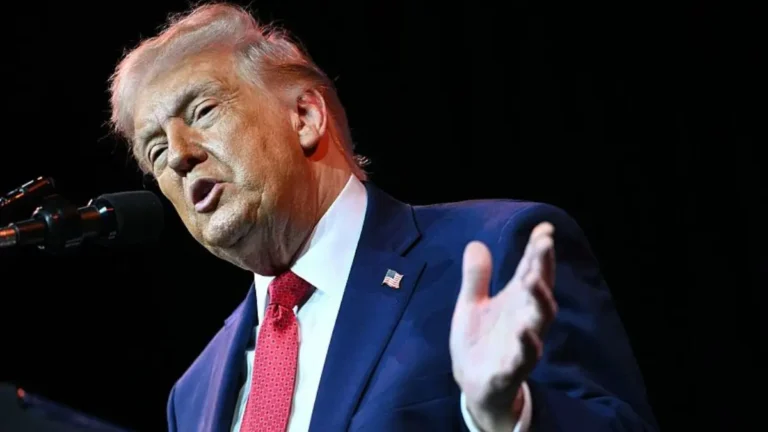
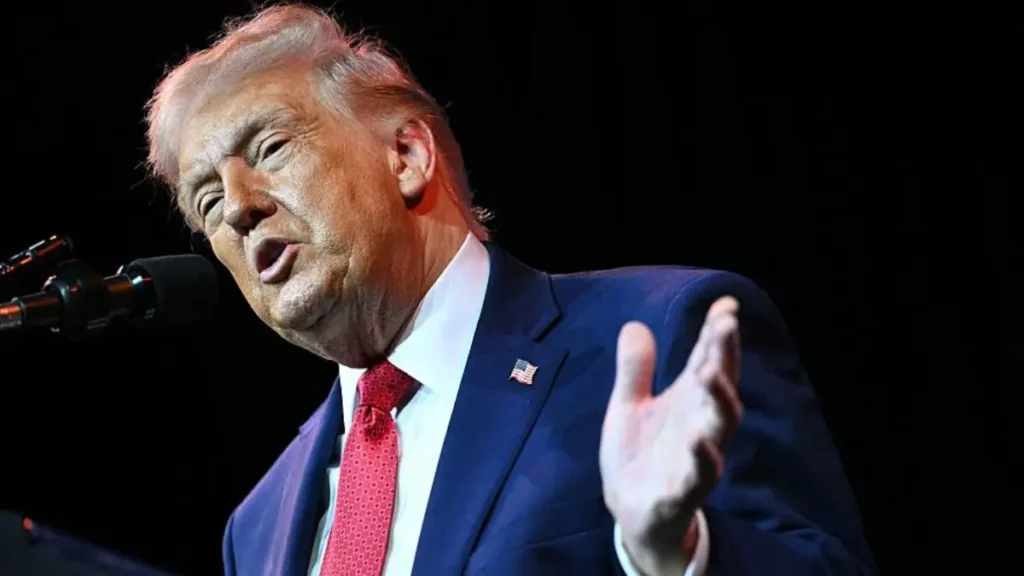
The wildest thing about American politics right now is how often it feels like bad reality TV with real-life consequences. It is like watching a washed star try to force a comeback season nobody asked for, but this time the stage is not VH1, it is the nation’s capital. And once again, Donald Trump has locked his sights on a symbol, not a policy. The new target: the John F. Kennedy Center for the Performing Arts.
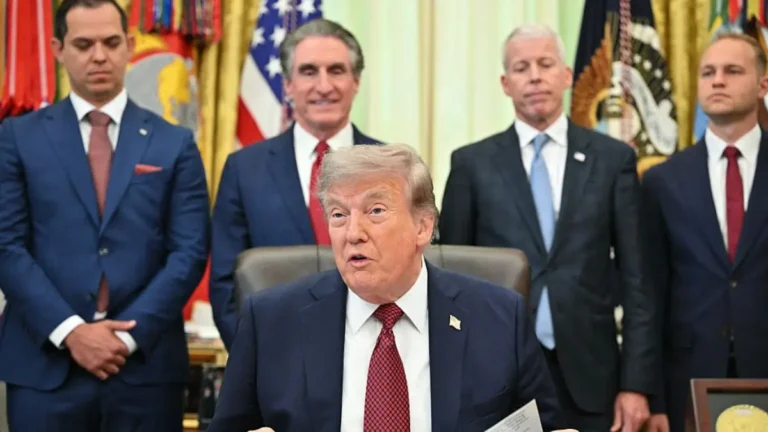
Trump is reportedly so locked in on getting his name back onto the historic Kennedy Center that his lawyers are now out here dropping bombshell claims about damage he supposedly caused and what might happen if he does not get his way. There is even talk that his camp is floating demolition as a threat, which sounds insane until you remember this is the same man who spent years trying to throw his name on anything tall, shiny and profitable. The Kennedy Center is not just any building though. It is a cultural landmark, a stage where Black art, Black music and Black stories have fought for space in a city that loves our culture but not always our people.
The beef Trump has with the Kennedy Center is not just a petty grudge. It is a window into how power moves when it wants to rewrite history in real time. Because when an 80 year old MAGA leader is obsessed with slapping his name on a space meant to honor John F. Kennedy and the arts, it is not about aesthetics. It is about control, ego and legacy.
The Kennedy Center sits on the Potomac like this marble reminder that American culture is supposed to be bigger than any one politician. It has hosted everything from symphonies to step teams, Broadway shows to jazz legends. Over the years Black artists have turned that stage into a battleground and a victory lap, pushing our sound and our stories into a space that was not built with us in mind. Think of it like the Grammy stage of D.C. You do not own it. You earn it.
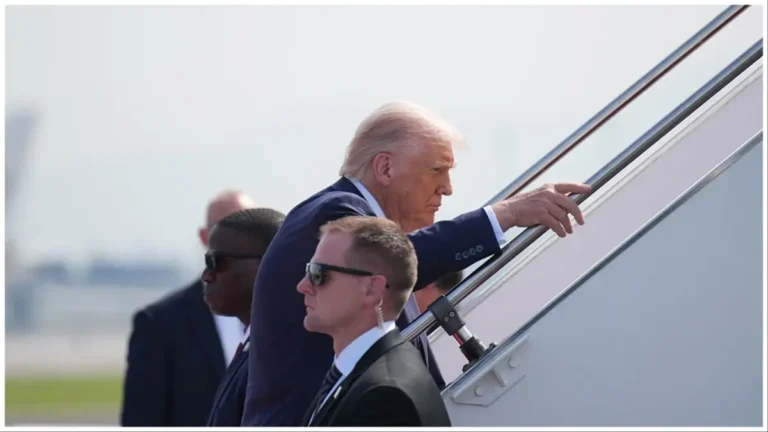
Trump has never really been about earning cultural respect. He has always tried to buy it, brand it or bully it. The reports around his Kennedy Center obsession fit that same pattern. His lawyers are allegedly arguing over damage he already caused in earlier renovation and naming fights, and now that he is out of the White House and out of the official spotlight, he wants his name stapled back to something permanent in D.C. Something the next generation has to walk past and remember him by. If he cannot get love, he will settle for a plaque.
This is the same energy we saw when the White House tried to control and quietly tweak Trump footage, and folks caught the weird edits and coverups in real time. That whole mess, which we broke down in detail in Why Did the White House Try to Edit Trump’s Video? Here Is What Eagle-Eyed Viewers Found, showed how desperate his camp has been to manage his image, even when the facts and the cameras say something different.
What makes this Kennedy Center drama feel extra dangerous is the talk of demolition. When powerful people start casually throwing around the idea of tearing things down instead of fixing them, that is not just a legal strategy. That is a threat. It is the same energy as a landlord who would rather bulldoze a block than sign a fair lease with the people who built the neighborhood. For Black communities, this is not theoretical. Highways, arenas, so called renewal projects have bulldozed our neighborhoods for decades. So when an old, bitter politician hints that a cultural landmark might be on the chopping block because he cannot plaster his name on it, it hits a nerve.
Trump’s relationship with Black culture has always been parasitic. He loves the aesthetics of proximity. Rappers name drop him before he runs for president, athletes visit his buildings, celebs party in his spaces, and he takes it all in like a co sign. But the minute that same culture demands justice, accountability or honesty about racism, he flips. From calling Black athletes protesting police brutality “sons of bitches” to mocking Black politicians, his pattern is clear. He does not want to share space. He wants to own it.
The Kennedy Center is not some Trump Tower in the sky. It is funded by public dollars, rooted in public trust and supposed to represent a cross section of what America creates. That includes hip hop, R&B, jazz, Black theater, Black dance, all of it. We are already in a moment where institutions are trying to roll back “woke” art and voices. Just look at what happened when a U.S. embassy yanked a Kehinde Wiley portrait for being “too woke,” which we unpacked in Why Did The US Embassy Remove Kehinde Wiley’s Portrait For Being ‘Too Woke’?. Trump trying to reclaim the Kennedy Center fits right into that same fight over who gets to define American culture.
One thing about power, it hates being reminded that culture moved on without it. The Kennedy Center in recent years has celebrated hip hop, honored icons from Quincy Jones to LL Cool J, and brought in younger Black voices that would have never touched that stage in the 1970s. The center still has its issues, but it has become a symbolic bridge between “high art” and the culture we grew up on. Trump throwing a fit over not having his name attached is like watching an old label exec mad that the new generation of artists went independent and do not need his signature anymore.
The obsession also tells on him politically. This is not about infrastructure, not about schools, not about healthcare. It is about a name on a building. That is pure branding politics, which is the same strategy he used in office. Hype up walls, rallies, slogans, and leave the real work to whoever comes next. Meanwhile, the legal fallout and alleged damage tied to his previous push around the Kennedy Center just add another layer to a long list of messes left for lawyers to clean up.
For Black artists, the Kennedy Center is complicated but important. It is one of the few big stages where a singer like Ella Mai can go from playlists and TikTok to a room full of people in gowns and tuxes really listening. That kind of crossover visibility is part of why R&B still matters, something we broke down in our review of her tour, Ella Mai Do You Still Love Me Tour Review: Setlist, Vocals And Why R&B Still Needs Her. Spaces like the Kennedy Center can either box us in or amplify us. Right now they are slowly starting to do more of the latter. Bringing Trump’s ego back into that equation is a step backwards.
Think about how we talk legacy in hip hop. When someone asks if the 2016 XXL Freshman class was the greatest, like in Was The 2016 XXL Freshman Class The Best Ever? A Real Look At Its Legacy, the conversation is about impact, influence, the artists who shifted sound and built something lasting. Nobody is arguing about who had the flashiest chain on the cover. Legacy is earned, not engraved. Trump, on the other hand, keeps trying to shortcut legacy by attaching his name to buildings instead of building anything real.
There is also a deeper pattern that should worry anybody who cares about art and truth. When Trump and his allies cannot control a narrative, they attack the platform that hosts it. Media outlets are “fake news.” Elections are “rigged.” Now a cultural institution that does not want to be a Trump tribute project suddenly becomes a target for legal drama and demolition talk. That is not just a personal tantrum. That is a blueprint for how authoritarian energy moves. If you cannot own it, discredit it. If you cannot discredit it, try to destroy it.
Black culture has already lived through this. From jazz clubs being raided to hip hop being labeled criminal, to our movies and shows being called “too political” every time we tell the truth, the idea of powerful people trying to shut down spaces that amplify us is nothing new. The Kennedy Center is not a Black institution by design, but every time they put a Black play on that stage, honor a Black composer or host a tribute that centers us, it chips away at the old idea that “high culture” is white by default. That matters.
So when Trump circles that building like a vulture looking for a branding opportunity, it is fair to ask what kind of art gets prioritized if he gets his way. Do we go back to safe, sanitized programming designed not to offend conservative donors. Do bold pieces about police violence, mass incarceration, and Black joy in the face of all of this get quietly pushed aside for flag waving musicals and nostalgia revues. The art world is already seeing chilling effects when right wing pressure ramps up. This would just be that same fight, sitting on the river in D.C.
There is also a generational angle here. Black millennials and Gen Z have grown up with Trump as both background noise and active threat. Some of us remember him as the rich guy rappers referenced before he went full MAGA. Younger folks know him mainly as the reality star turned president who unleashed a wave of open racism and chaos. For both groups, watching him try to hijack something like the Kennedy Center is a reminder that elders who refuse to let go can clog up the path forward, whether they are politicians, label heads or media gatekeepers.
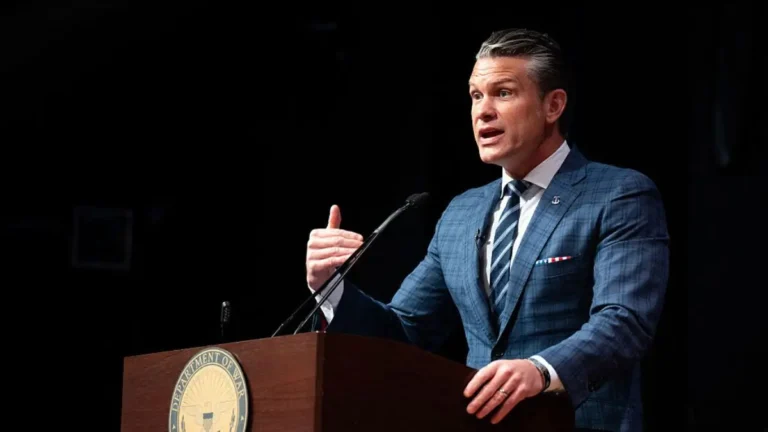
The flip side is this moment also shows how powerful it is when people pay attention. The only reason stories like this land is because folks are watching the details. Watching the edits. Watching who gets honored and who gets erased. The same way fans clocked Pete Hegseth’s vibe honoring a Black Marine in that viral clip we covered in Why Was Pete Hegseth Mad Honoring a Black Marine? Fans Think They Caught the Moment on Camera, people are clocking what Trump tries to do with monuments and cultural spaces too. That awareness is its own form of defense.
Where does this go next. Expect more legal noise, more fundraising emails trying to turn the Kennedy Center into a culture war prop, and more attempts to paint any pushback as “liberal elites” attacking Trump personally. On the other side, artists, organizers and everyday visitors to that building will have to decide what kind of space they want it to be. Do we let another aging politician turn a cultural landmark into an ego monument, or do we push the Kennedy Center to lean even harder into the work of reflecting the real America, the one shaped by Black rhythm, Black struggle and Black brilliance.
Trump’s Kennedy Center obsession might seem like just another wild headline in a long list, but it is bigger than one man’s fragile ego. It is a test of whether our institutions belong to the people and the culture, or to whichever powerful figure screams the loudest. For a generation that has watched statues fall, movements rise and old gatekeepers lose their grip, this fight is one more chapter in the same story. Keep an eye on it. Because how this plays out will say a lot about what kind of stages are left for the next wave of Black artists, storytellers and truth tellers coming up behind us.
About The Author