By Andre Coleman, PowerVault Staff
The internet has fully turned college sports into its own reality show. The games are the episodes, the press conferences are the confessionals, and the social media accounts are the messy producers stirring the pot just enough to keep people locked in. Every once in a while though, a school forgets there are real people on the other side of that quote tweet button and not just profile pics and rival logos.
That is where Georgia Tech found itself after its official X account decided to get spicy with the daughter of an opposing coach from NC State. Not a troll fan page. Not some burner. The daughter of a rival school’s assistant football coach, calling out the Yellow Jackets, and the school’s own verified account firing right back in front of the whole timeline.
College beef used to live in the stands and on the field. You talked trash in the student section, maybe painted your chest, maybe yelled at a ref, then went home hoarse and happy. Now the official accounts are the ones doing the woofing, and when that smoke gets directed at a coach’s family, it hits different. That is not just banter anymore, that is institutional energy pointed at somebody who did not sign a contract, did not put on pads, and definitely does not have a multimillion-dollar buyout.
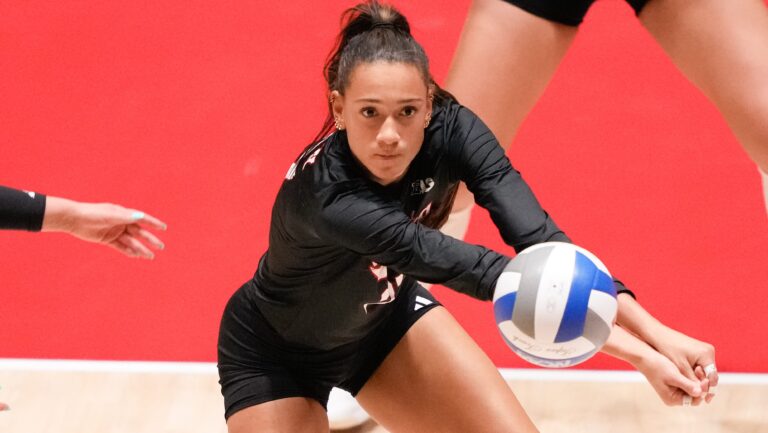
Here is the basic setup. NC State has an assistant coach, Garett Tujague, and like a lot of coaches’ families, his daughter is active on social media, proud of her dad’s program, and not shy about talking her talk. Fans do it all day, especially around the ACC, where everybody feels like they are one recruiting class away from running the conference. She says something online that hits Georgia Tech’s radar and instead of ignoring it or taking the high road, the official Georgia Tech X account decides to clap back publicly. The reply is bold enough that headlines are calling it “wild,” and suddenly a random post turns into a full-blown debate about where the line is between fun and foul in college sports.
That line matters, especially for Black fans who know how often the conversation around “class” and “sportsmanship” gets weaponized against us. When a Black athlete dances after a touchdown, there is a think piece. When a Black coach talks spicy in a presser, there is a panel on ESPN asking if they went too far. Meanwhile the social teams for these schools, many of them run by young creatives trying to go viral, are being encouraged to act like meme pages because engagement equals money, recruits, and national attention.
The Georgia Tech reply landed in that messy middle. On one side you had people laughing, calling it elite trolling and saying if you dish it you should be able to take it. On the other side you had folks pointing out this is not a random adult fan, this is a coach’s daughter, and there is a different level of responsibility when a school aims its official brand at somebody’s child, even a grown one. It is one thing when the Georgia Tech account is firing at NC State’s official account or joking about a rival’s record. It is a whole different conversation when the target is a family member who just woke up and opened the app.
Sports has always thrived on disrespect. That edge is what makes rivalries real. Think about how Miami’s swagger in the 80s and early 90s had the whole country clutching pearls, or how Deion Sanders, as a player and now as Coach Prime, leans into that “we coming” energy that makes people tune in whether they love him or hate him. Even right now, boxing lives off that same line getting tested every week. When Gervonta Davis dragged Devin Haney’s mom into their back-and-forth, it sparked the same question: how far is too far when competition and clout collide? That whole situation had fans asking exactly that in our breakdown of why Gervonta Davis went at Devin Haney’s mom.
What makes this Georgia Tech moment feel different is the power dynamic. This is not two fighters talking crazy at a press conference, or two politicians trading shots the way we saw when we covered Trump getting rattled by another candidate’s clapback. This is a whole institution, with a marketing budget, a national platform, and a direct pipeline to recruits’ phones, choosing to pile on one person who is attached to the program only by blood and last name.
That last name part is key. College sports can be beautiful when it is family. Parents in the stands. Siblings on the sideline. Kids growing up ball boy and ball girl for the team, then playing for that same school years later. But the flip side is those same families become visible targets. They get tagged in hate after losses, DM’d by angry gamblers, dragged into online mess they did not create. When the school itself jumps in, it can feel like permission for everybody else to go even harder.
There is also the gender angle. Women around sports are always walking a tightrope. Speak up and you are “doing too much.” Stay quiet and you are invisible. When a coach’s daughter talks sports, she gets framed as emotional or out of place in conversations where male relatives are just “passionate fans.” Then if a big brand claps back at her, some people treat that as fair game, ignoring the way piling on women online often opens the door to harassment, disrespect, and threats that go way beyond football.
Social media has blurred all those lines. The same way celebrity kids and partners in hip-hop get pulled into the drama whenever a rapper is trending, coaches’ families keep getting dragged into the discourse because the internet does not compartmentalize. When folks are arguing about “Which rappers have the most kids and what does it really say about hip-hop culture,” like we explored in our piece on rappers and fatherhood in the culture, it is the kids who end up reading jokes about themselves that they never asked for.
Georgia Tech’s account leaning into that same energy around a coach’s daughter shows how brands now treat every moment like content instead of community. There is a difference. Community says, “We are going to talk our trash, but we are keeping it on the field and on the scoreboard.” Content says, “If this tweet gets numbers, it is a win, no matter who gets burned in the process.” That mindset is how you end up with schools tweeting like parody accounts then scrambling to apologize when the blowback hits boosters, parents, and recruits’ group chats.
There is also a recruiting layer here that cannot be ignored. Recruits and their families are watching everything. They see how schools handle criticism, how they talk to fans, how they show up for their own players, and how they treat opponents’ families. If you are a parent thinking about sending your Black son into a billion dollar college football machine, you are paying attention to whether that school knows how to be petty without being reckless. If they will clown another coach’s daughter on the main account, what happens when your kid drops a pass in a big game and the fanbase loses its mind?
For Black players in particular, that question is even heavier because we have seen how quickly “fun” turns to “thug,” how fast “confident” turns to “cocky” in the mouths of commentators. Institutions already struggle with protecting Black athletes from racist backlash online. The last thing anybody needs is the school itself fanning the flames by normalizing targeted clapbacks at individuals who are adjacent to the game but not actually in it.
There is a smarter way to do this. Some of the best social media teams in sports have figured out how to be hilarious and ruthless without ever punching down. They troll the scoreboard, the history, the fashion, the mascots. They meme the game itself, not the families. Think of how the NBA’s official accounts play with each other during the season, or how some WNBA teams have built cult followings by being witty without being weird about players’ loved ones. That balance is possible. It just takes intention.
College sports sits at an intersection that looks a lot like hip-hop right now. Everything is content, everyone has a brand, and the people running the accounts are often closer in age to the students than the ADs. That can be a blessing. It gives us creative campaigns, viral moments, and sometimes even heartfelt stories that remind us why sports matter in the first place. Projects like Griot B using hip-hop in schools show how culture and youth voices can be used to build, not just to drag. But when the priority shifts from connection to chaos, you get situations exactly like this one.
What happens next for Georgia Tech will probably be predictable. Some kind of clarification, maybe a “we were just joking,” maybe a quiet internal conversation about guidelines. The internet will move on to the next viral clip, the next wild quote, the next coach getting cooked in a postgame presser. But the bigger question is sitting there for every school, every league, every brand using sports and culture to get clicks: are you treating these accounts like part of the community or just another weapon for engagement?
Fans will keep loving the jokes. Rivalries will stay messy. Coaches’ kids will still tweet like the rest of us. The challenge for schools like Georgia Tech is deciding what kind of energy they want their official logo attached to. Because the season is long, the receipts are forever, and recruits, families, and fans are all watching to see who can talk trash without losing their humanity in the process.
About The Author